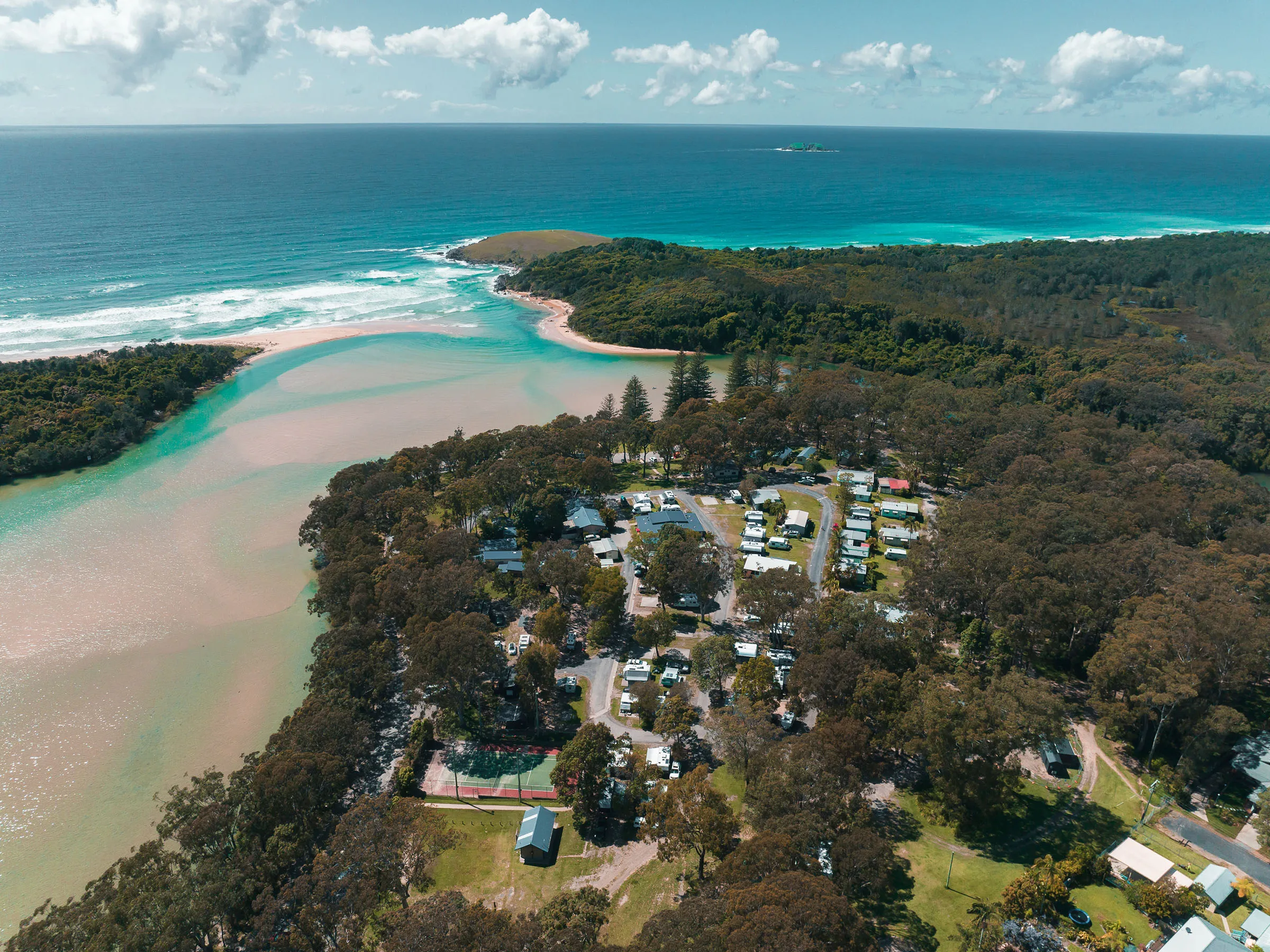
Rain, roos and rainbow skies
Moonee Beach’s warm, subtropical climate makes a holiday at any time of year an easy decision, especially if you’re looking to explore the picturesque Coffs Coast. From a family school holiday adventure to a quick long weekend getaway, Moonee Beach weather won’t cramp your style!
Here’s the lowdown on what to expect, season by season, and a few highlights to note down for when you arrive.
Best time to visit Moonee Beach
While Moonee Beach is great to visit year-round, the best times to visit Moonee Beach NSW depend on what you’re coming here for. The shoulder seasons of April/May and September/October both offer the best combination of warm temperatures, lower rainfall, manageable crowds and high wildlife activity. June to October are prime for whale watching, May to September are your hiking months, and anything outside of school holidays will be quieter and easier to book ahead.
Summer in Moonee Beach (Dec–Feb)
Average high: 27℃ / Average low: 19℃
Seasonal highlights:
- A lively sesh at the Moonee Beach Hotel
- Dive at South Solitary Island with Jetty Dive Centre
- Spend the day at Sapphire Beach
- Grab a snack from Dark Arts Cafe and Bar
- A picnic on Moonee Beach
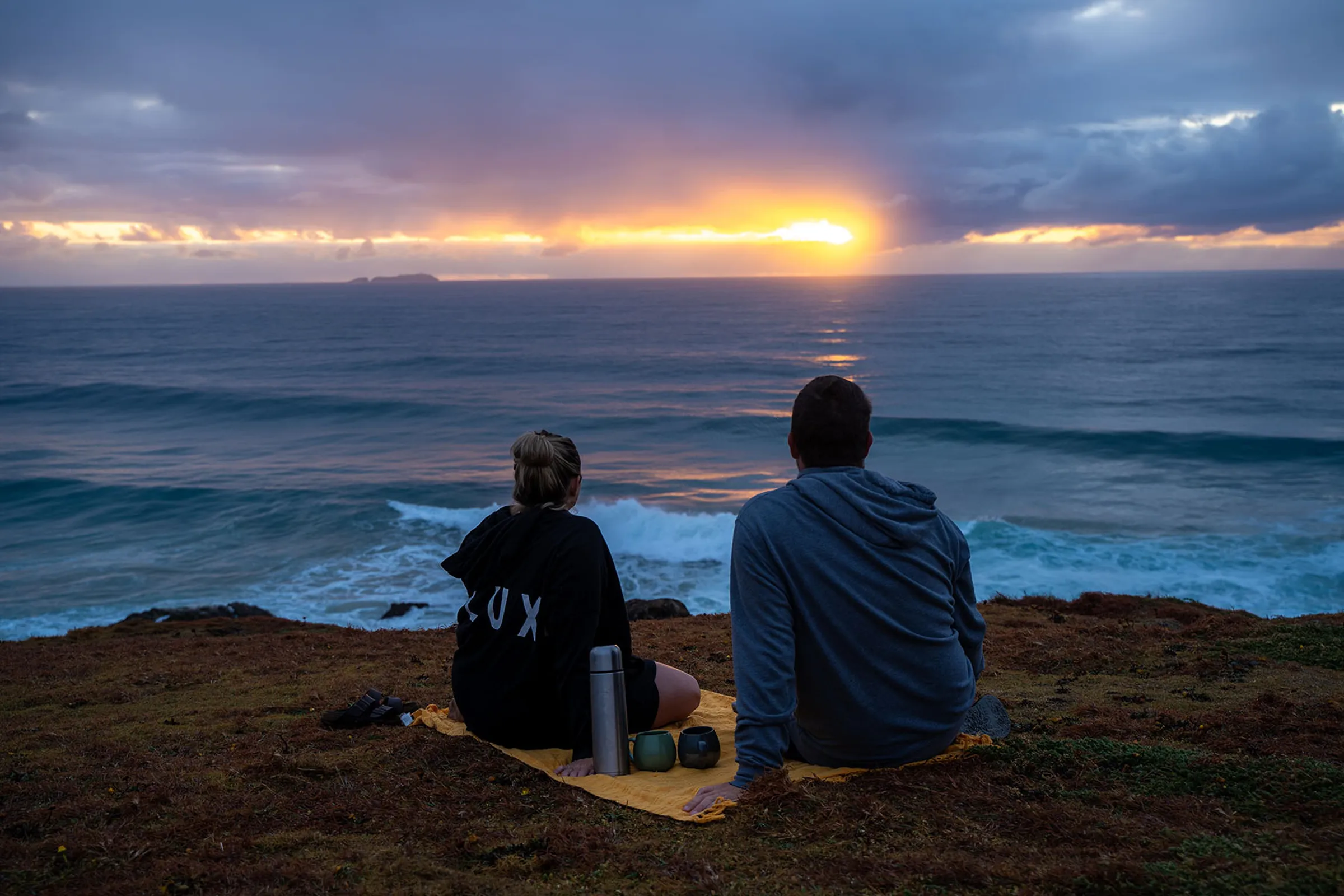
The hottest and most humid season, January’s weather in Moonee Beach is at its peak. Expect high humidity, typically 68 to 75%, and the heaviest rainfall of the year (February is the wettest month). Dips in the ocean will be balmy at around 24°C, making for excellent swimming, despite the sticky conditions.
Autumn in Moonee Beach (Mar–May)
Average high: 22℃ / Average low: 15℃
Seasonal highlights:
- Explore the Forest Sky Pier at Orara East State Forest
- See a Dutch miniature village at The Clog Barn
- Take the Look At Me Now headland walk with friends or family
- Cruise the Moonee Creek canoe route
- Visit the Big Banana Fun Park
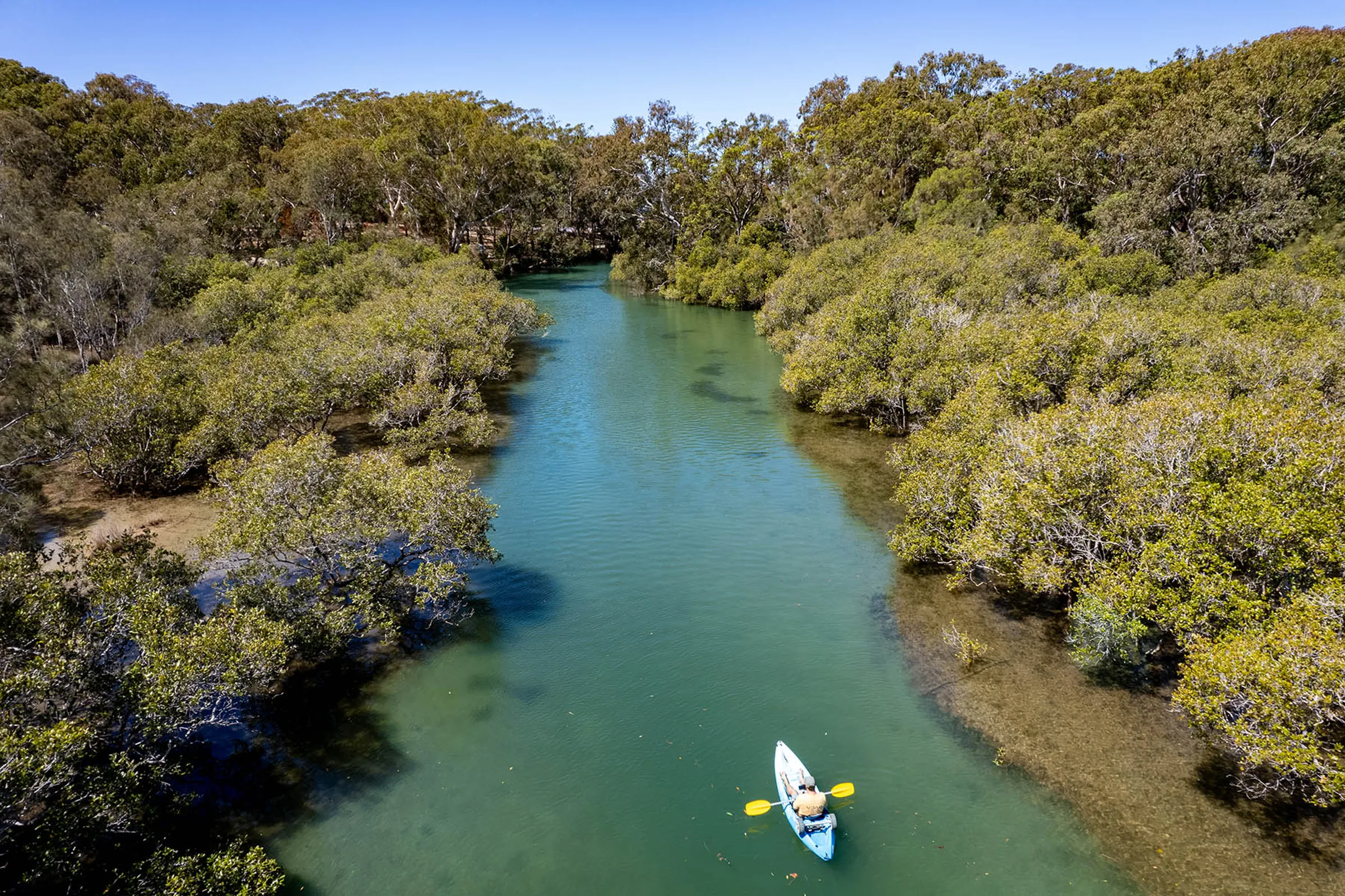
Autumn brings easing temperatures and can see heavy rainfall, particularly in March, but everything dries out and clears towards winter. This season has some of the most enjoyable Moonee Beach weather of the year, with warm days, mild evenings and fewer crowds.
Winter in Moonee Beach (Jun–Aug)
Average high: 19℃ / Average low: 8℃
Seasonal highlights:
- Coastal walk in Moonee Beach Nature Reserve
- Take a day trip to Glenreagh
- Go whale watching on the Pacific Explorer
- Uncover the past on the Dammerels History Walk
- Make sourdough at Breadology Workshop
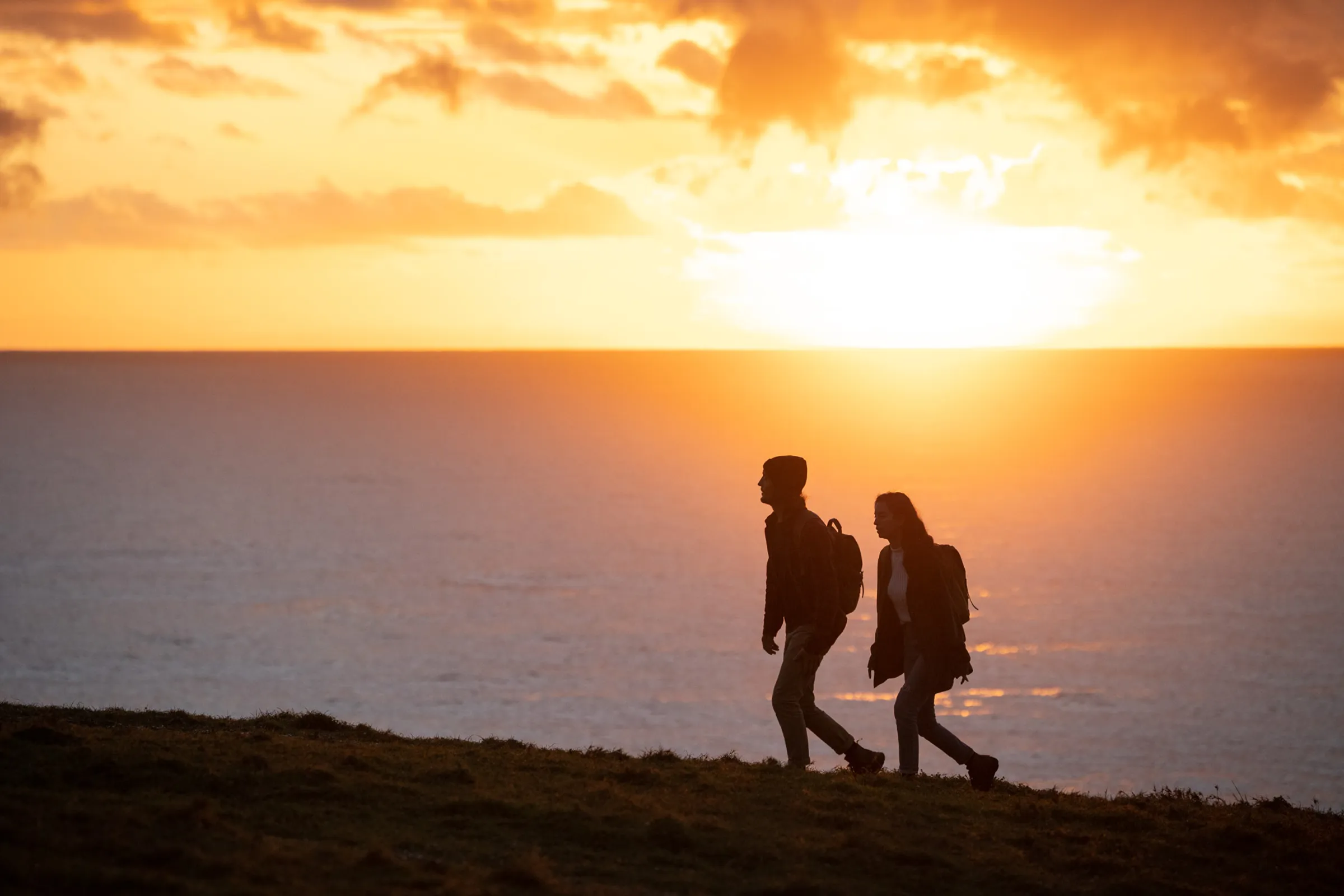
The mildest and driest season, winter, is arguably the best for walking and outdoor activities. It’s cool, but rarely cold, with plenty of sunshine, despite fewer daylight hours. July is the driest of the cooler months, ideal for catching a glimpse of migrating whales as they pass by the coastline. Moonee Beach weather in this season is a bit chilly, but nothing a few layers of warm clothes can’t fix.
Spring in Moonee Beach (Sep–Nov)
Average high: 23℃ / Average low: 14℃
Seasonal highlights:
- Drive along the Orara Valley Tourist Trail
- Discover the Coffs Coast’s culinary side with Bite Food Tours
- Get hands-on at Artisan Cheese and Cooking School
- Afternoon tea at The Black Apple
- Day trip to Coffs Harbour
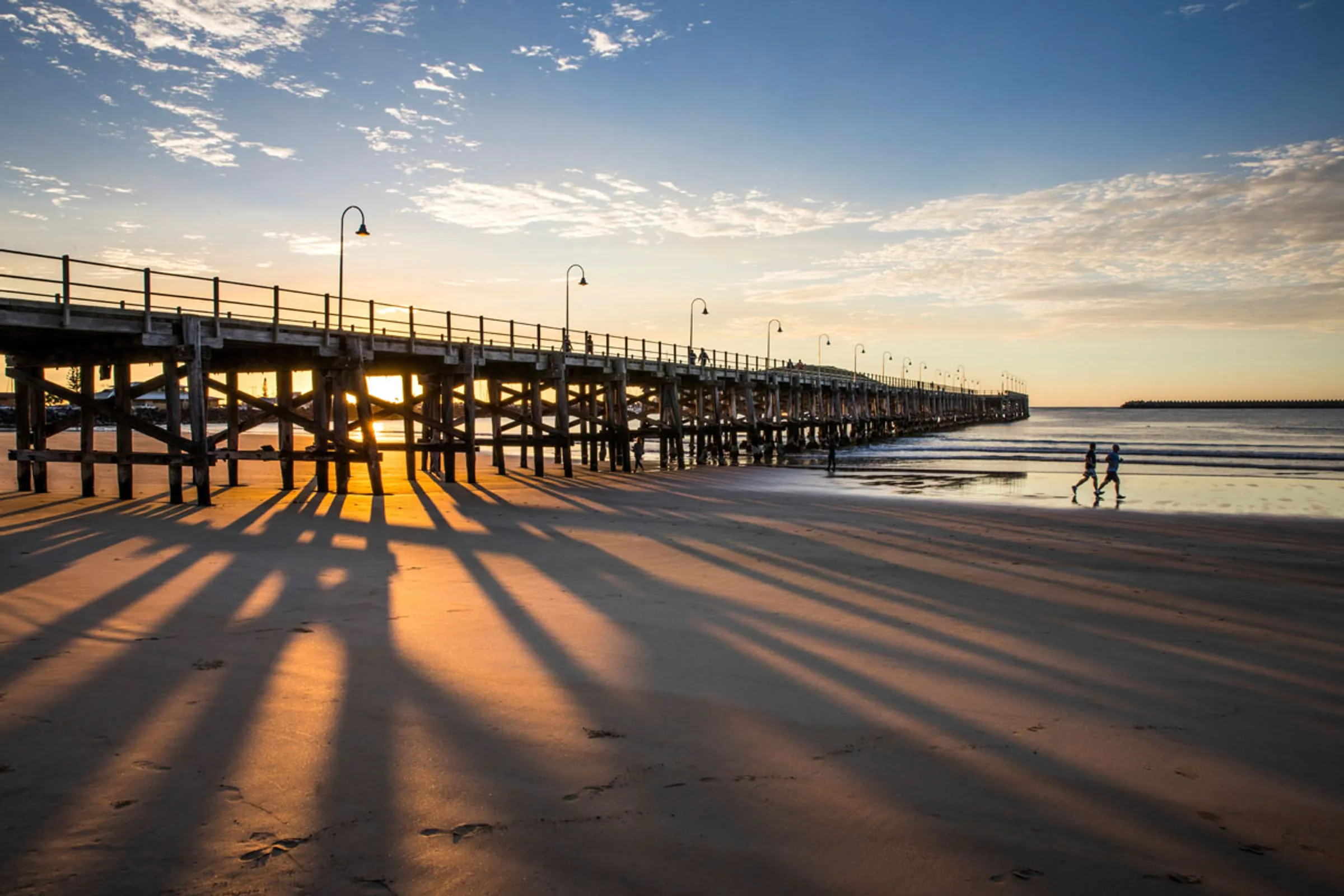
A lovely in-between season, Spring warms steadily from the dry and sunny days in September, to the damp humidity of late October into November. Plan some coastal walks and beach days to enjoy the warming weather before summer’s heat truly kicks in. Just be mindful of the school holiday period that kicks in around late September, so if you’re avoiding the crowds, perhaps visit in early or late spring.
Itinerary Ideas in Moonee Beach
There’s so much to discover in Moonee Beach and the Coffs Coast. Don’t get overwhelmed by all the options – check out our 3-day itinerary instead. Inside, you’ll find ideas on what to see, what to do and where to eat, as well as the best order to tackle it in.

Things to do in Moonee Beach
If you’re someone who likes to get out and see as much of a place as possible, you’ll love our guide on all the things to do in Moonee Beach. From local attractions, to delicious restaurants and cafes, to where else to visit on the Coffs Coast – we’ve done the digging so the planning feels easier and less stressful.
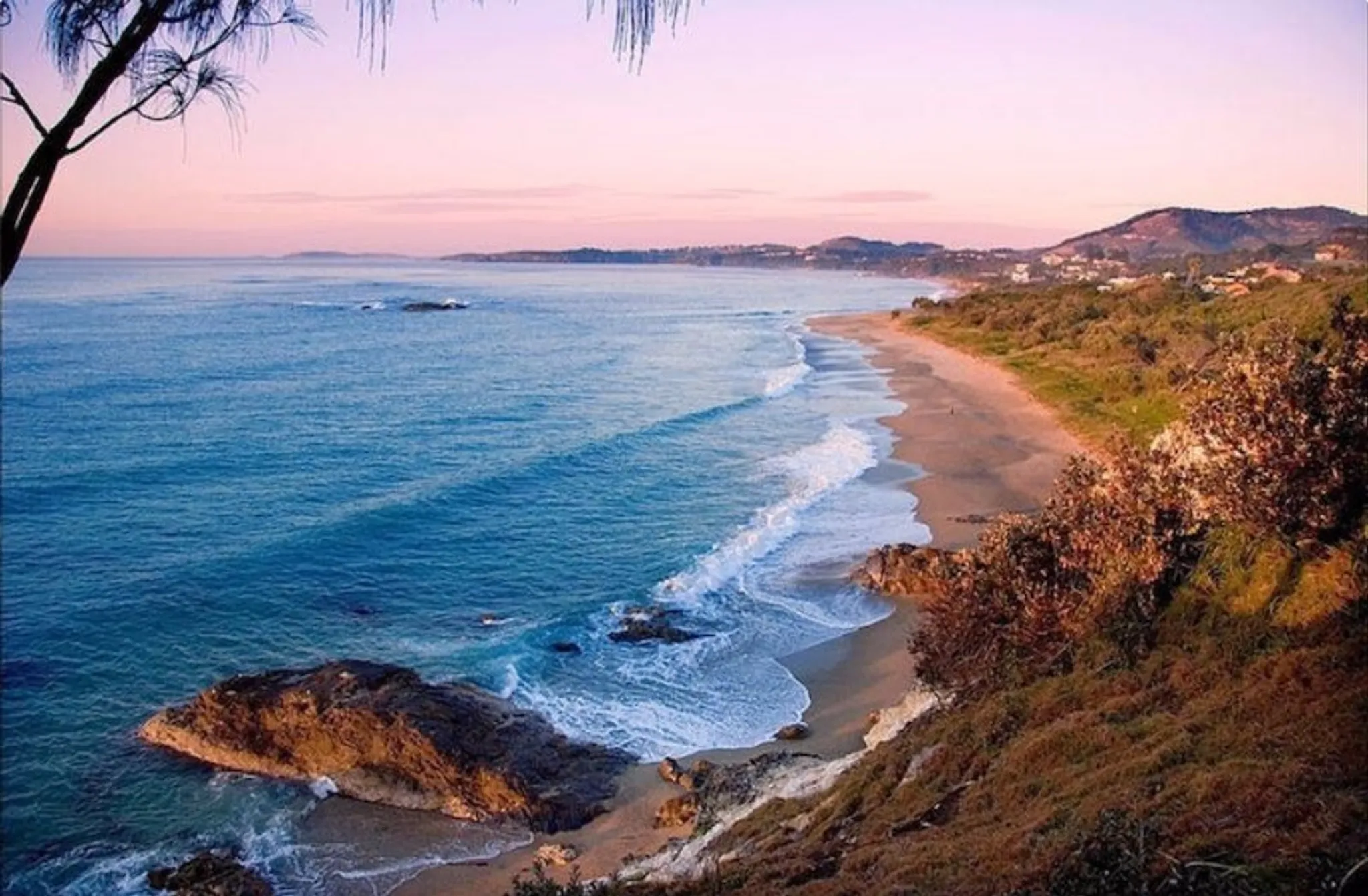
Most people know Coffs Harbour as the coastal paradise on the NSW Coffs Coast. It’s where the forest meets the sea and there are over 30 incredible beaches to explore and enjoy. Coffs Harbour beaches are next level beautiful, boasting that truly iconic laid-back Australian vibe with perfect conditions for swimming, surfing and just doing a whole lot of nothing much.

Discover the best places to eat in Coffs Harbour, from beachside cafes and family-friendly restaurants to breweries, markets and Bellingen favourites.
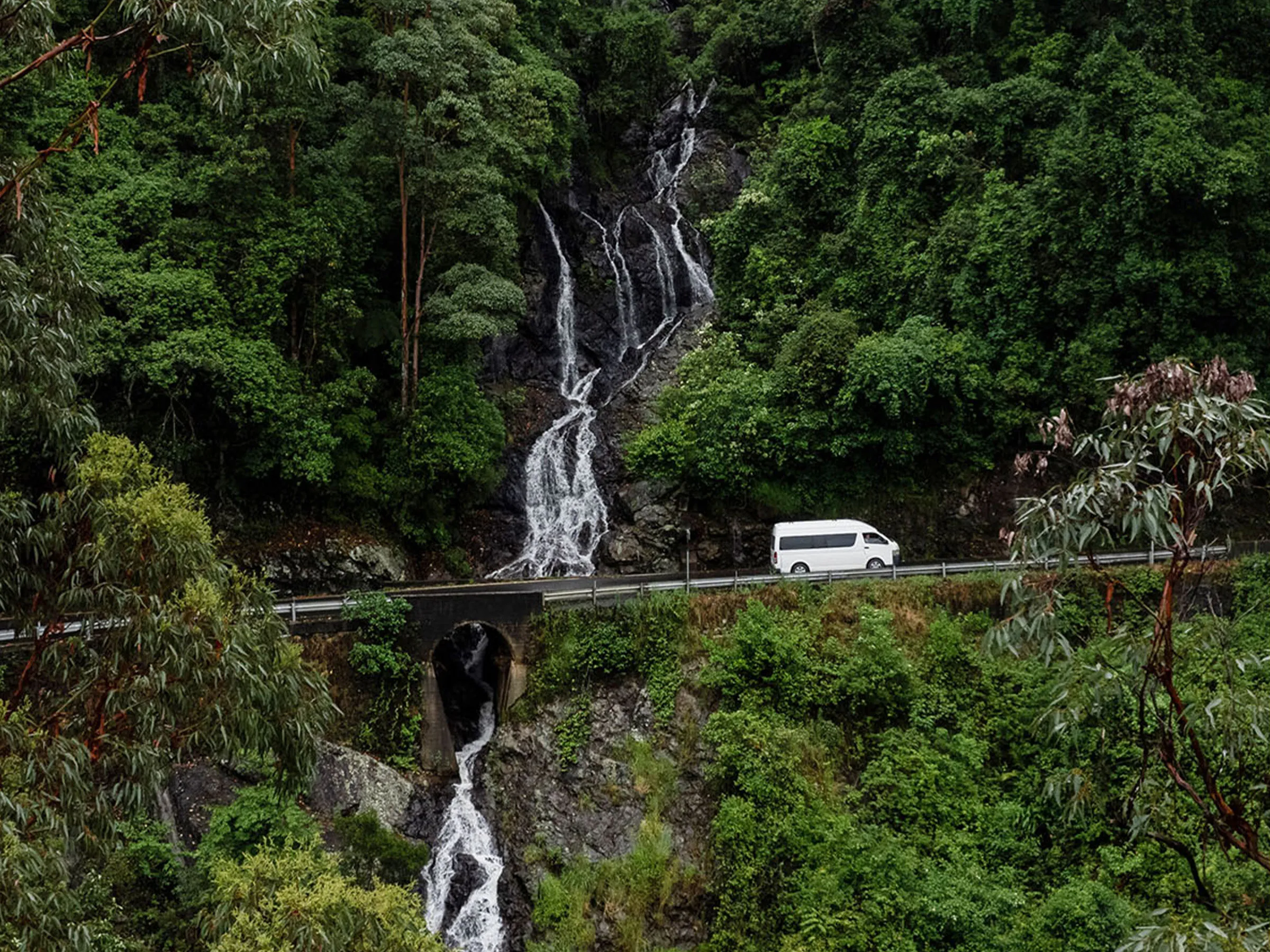
If you love nature, fresh air, and the sounds of moving water, the Coffs Coast is a no-brainer. This lush corner of NSW is home to some seriously stunning waterfalls, from easy roadside lookouts to some hidden gems worth the hike. So grab your walking shoes, pack a picnic, and hit the road.
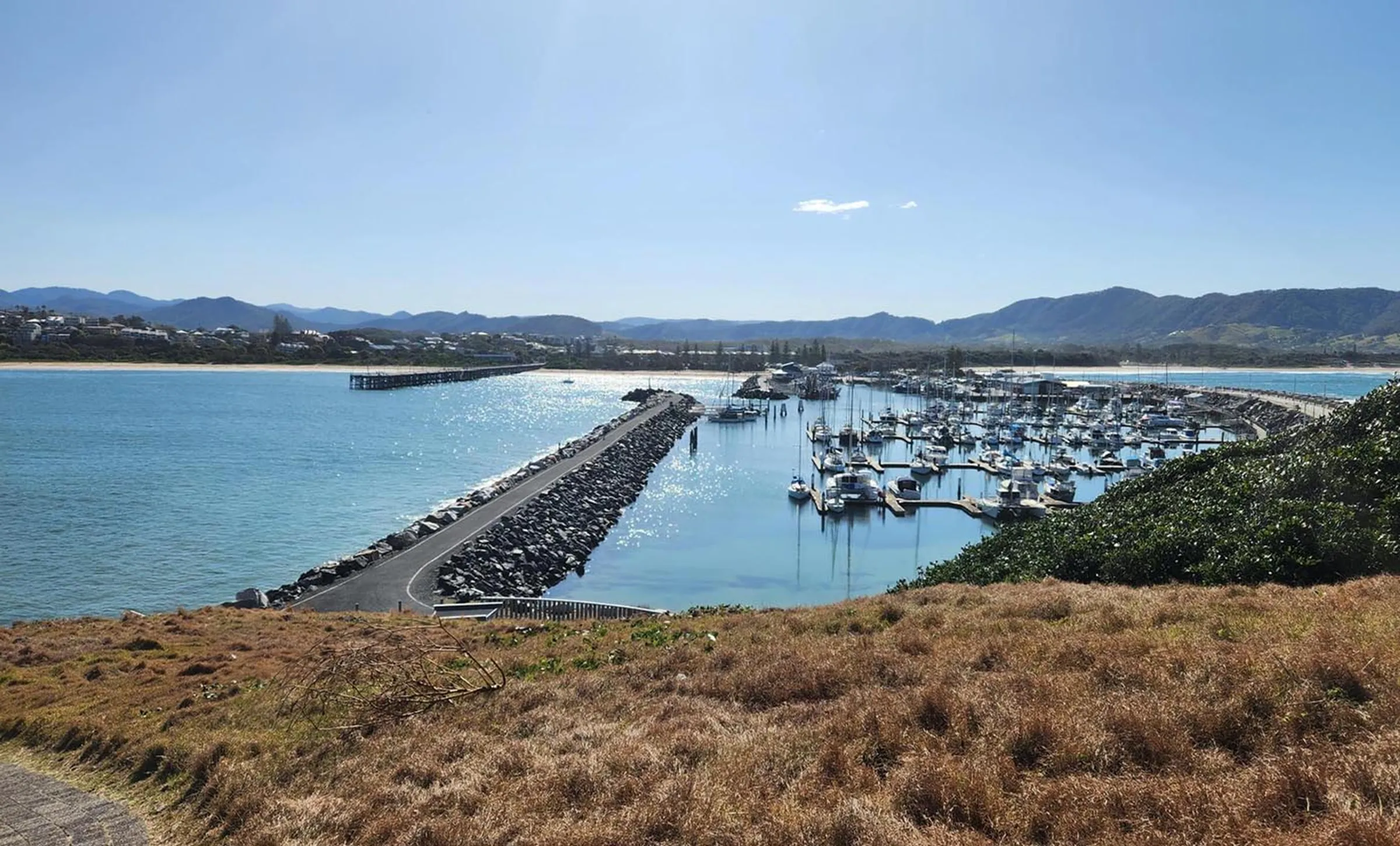
Discover easy, family-friendly walks on the Coffs Coast, from coastal paths to rainforest trails, all within easy reach.
Frequently asked questions
Didn’t find what you were looking for? We’re here to help. Get in touch here.
Does Moonee Beach get a lot of rain?
Yes, Moonee Beach (near Coffs Harbour) is one of the wetter stretches of the NSW coast. Rain falls in every month of the year, but the wettest period is summer through early autumn, with February and March typically receiving the heaviest falls. The driest months are July, August and September, when you can expect only a handful of rainy days each month – making winter and early spring reliably clear times to visit.
How hot does Moonee Beach get in summer?
Summers are warm and humid, rather than extreme, in Moonee Beach. Average daily highs sit around 26 to 27°C in January and February, with overnight lows not that far off at 18 to 20°C. Temperatures rarely climb above 30°C, but the sticky combo of heat and humidity can make it feel spicier than it feels.
Does it get cold in winter at Moonee Beach?
The weather in Moonee Beach in winter is mild, rather than cold, by most Australian standards. You’ll need to bring a jacket in the evenings, but in the sun, it’s warm and perfect for being outside. The area doesn’t see any snow, but if you’re out and about at night, you’ll want to layer up to stay toasty.
What is the best month weather-wise to visit Moonee Beach?
The month with the least amount of rain, plenty of sunny days and low humidity is September. Temperatures begin to warm up after winter, but it’s not as stifling as the summer months in terms of heat. Alternatively, April and May are good options, especially if you want to spend time at the beach in the water (the ocean still feels relatively like a bath thanks to that summer heat).
Is Moonee Beach weather good for a beach holiday in July?
That all depends on where you’re coming from – those from southern states will say yes, but if you’re from a tropical climate, you might find it a bit too chilly! July is cool and dry rather than warm and sunny. It’s comfortable for walking, whale watching and exploring, but not ideal for swimming or sunbaking. November through April is the best window for more beach time.
Ways to stay in Moonee Beach
Position yourself by the banks of Moonee Creek, a stone’s throw away from the coastline, at Reflections Moonee Beach. Settle into one of our tiny homes, cabins or campsites to enjoy an unpretentious holiday on the Coffs Coast. Our park has the right amenities to make daily life stress-free and help you make the most of your time away.


