Nature, culture and beachside adventures await
The weather in Urunga, much like its neighbours Coffs Harbour and Mylestom, offers that classic mild, coastal feel. Things heat up in summer, but not aggressively – and winters are chilled, but not cold. It's what makes the area a popular destination for nearby locals and tourists alike.
Plan the ultimate holiday escape with our guide to Urunga weather – get the seasonal breakdown so you can lock in your packing list with confidence.
Best time to visit Urunga
Urunga's warm, subtropical coastal climate has mild winters, long summers, and year-round sunshine, making it ideal to visit in any season. It's one of the wetter stretches of the NSW coast, though rain is generally spread across the year, rather than concentrated in a single season. The shoulder seasons of autumn and spring are the best times to visit: comfortable temps, low humidity, little to no rain, and fewer crowds to battle.
Summer in Urunga (Dec–Feb)
Average high: 27℃ / Average low: 19℃
Seasonal highlights:
- Spend a week at Camp Creative in Mylestom
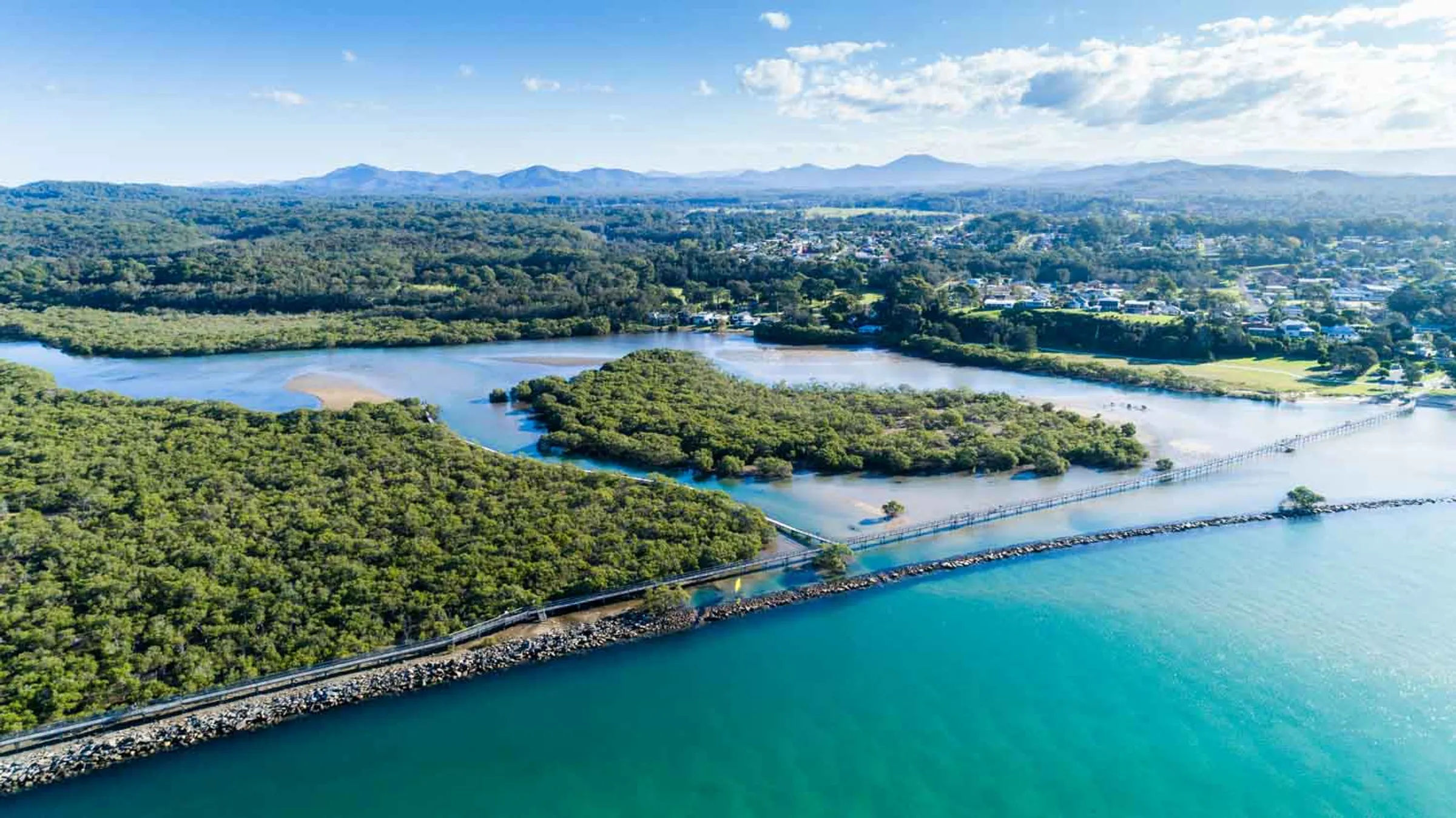
- Stroll the Urunga Boardwalk
- Brunch at The Old Butter Factory Cafe in Bellingen Valley
- Experienced surfer? Hit Hungry Head Beach
- Classic pub meal at the Ocean View Hotel

Summer brings temperatures in the high 20s°C with higher humidity and occasional thunderstorms. School holiday crowds in December/January are everywhere on the Coffs Coast, so if you prefer quiet streets, perhaps save your trip for February! However, there's no shortage of things to do during the summer months, especially if nature and long, lazy beach days are on the agenda – and Urunga weather won't get in your way.
Autumn in Urunga (Mar–May)
Average high: 24℃ / Average low: 15℃
Seasonal highlights:
- See the groms in action at the annual Surf Refections Junior Series
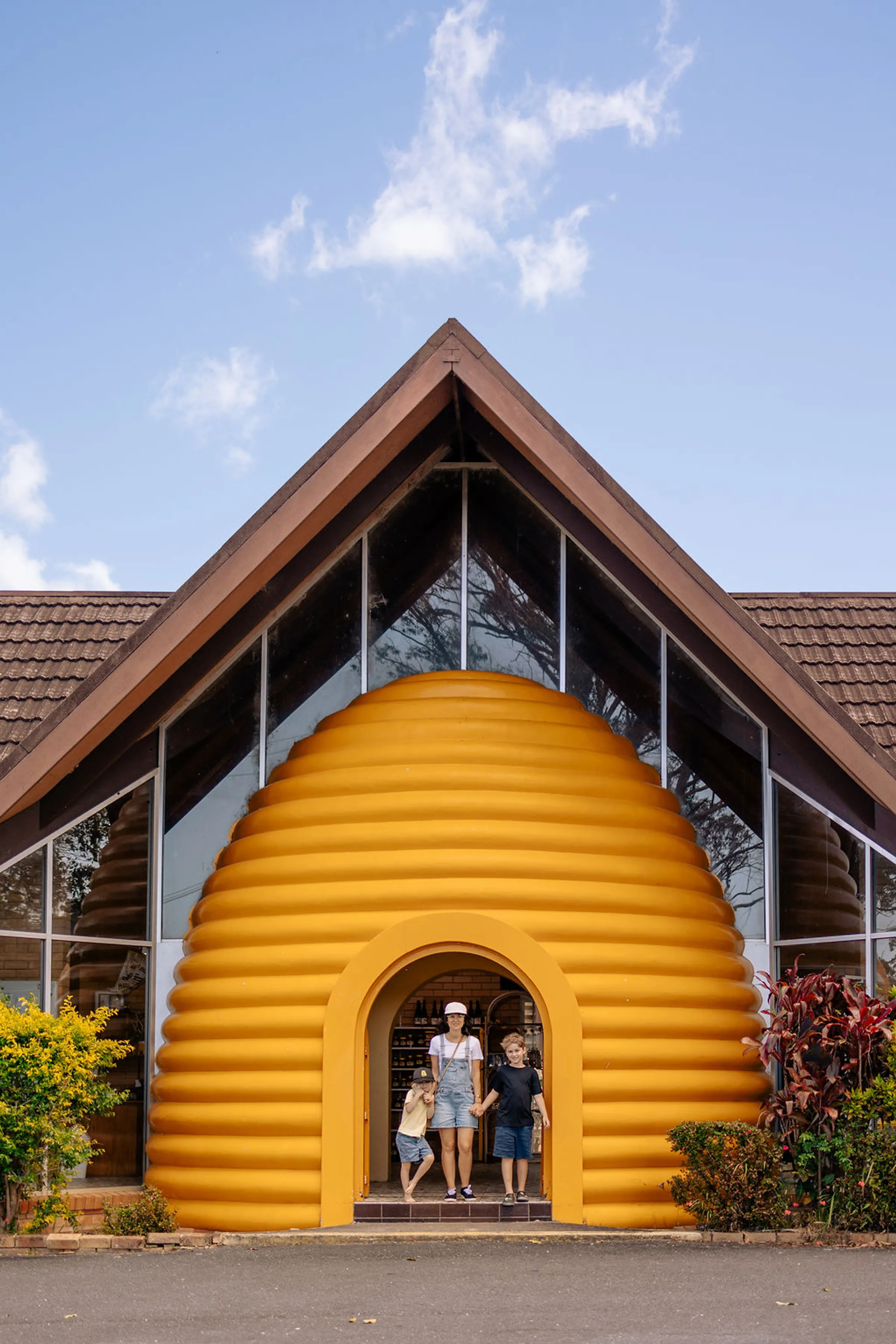
- Taste the sweetness at The Honey Place
- Wine tastings at the Raleigh Wine Cafe in Bellingen
- An early morning dip at Valla Beach
- Explore the World Heritage-listed Gondwana Rainforest in Dorrigo National Park
Autumn is warm without the summer heat and humidity, making it ideal for beach walks, hikes, and exploring the surrounding national parks. With the kids back in school, it's a great time for couples and solo travellers to enjoy less foot traffic and more space.
Winter in Urunga (Jun–Aug)
Average high: 19℃ / Average low: 8℃
Seasonal highlights:
- View local art at The Art Space Urunga
- Shop at Banksie Blue
- Spend an afternoon at Urunga Museum
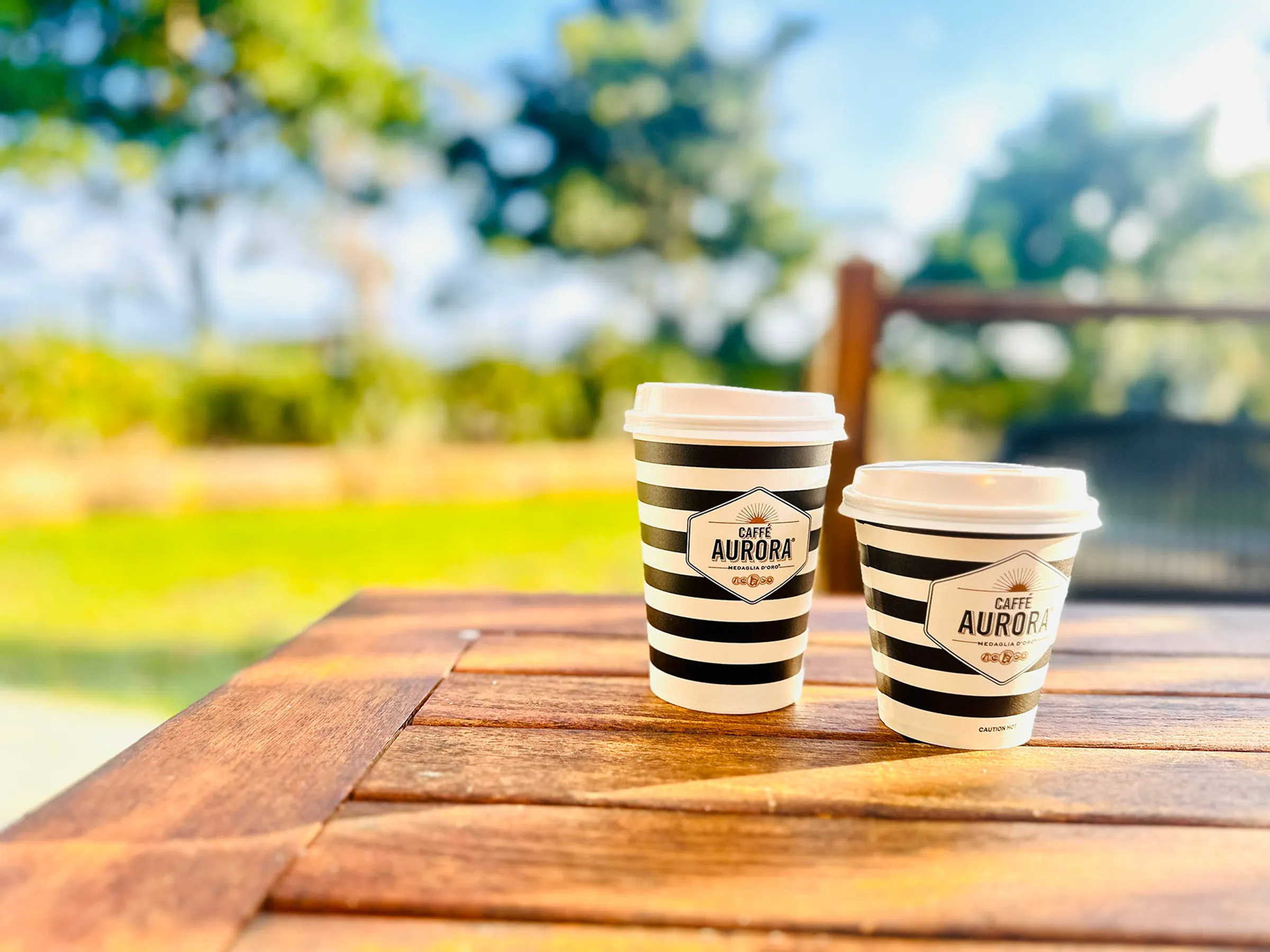
- A cosy coffee at Liberty Providores
- Whale watching from the boardwalk
Winter is beautifully mild, typically sitting between 10°C and 20°C with clear, comfortable days. Crisp mornings are perfect for beach walks, while the slightly cooler nights are great to snuggle up around a fire or in one of the many restaurants and cafes across the Coffs Coast. This is also prime whale watching season, which you can do from the headlands or book a boat tour to get out on the water.
Spring in Urunga (Sep–Nov)
Average high: 23℃ / Average low: 14℃
Seasonal highlights:
- Refine your golf swing at C.ex Urunga
- Hike the trails of Bongil Bongil National Park
- Steaks at The Shank Inn
- Drop a line in the Kalang River to try to catch dinner
- Get fresh produce at Bellingen Community Markets
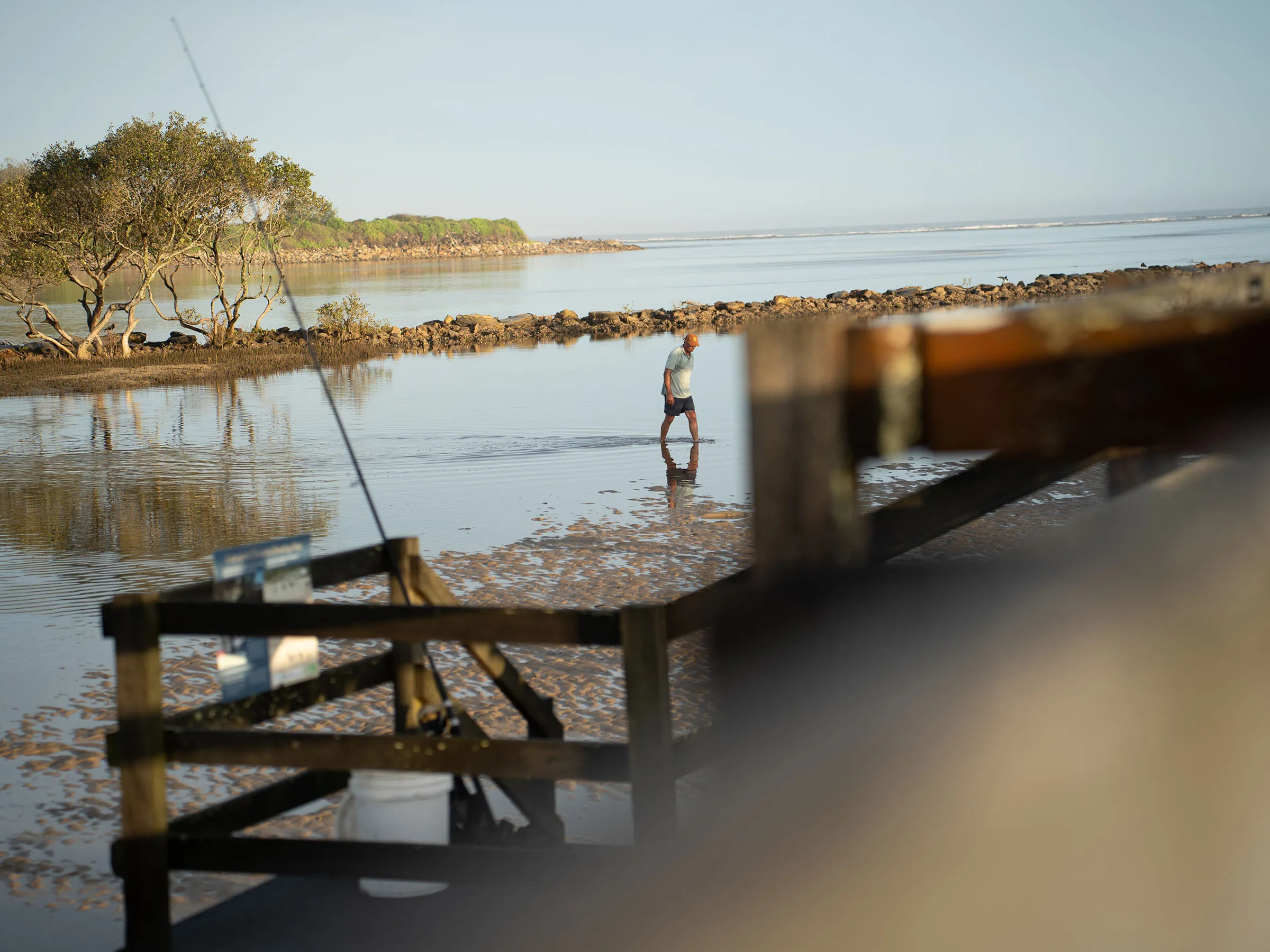
Much like autumn, Urunga weather in spring offers a perfect blend of mild, sunny days and coolish nights. Flowers are in bloom, rainfall is easing, and fresh air as summer approaches. Take advantage of the temperate climate for day trips, fishing, market hopping and anything outdoors.
Itinerary Ideas in Urunga
Arrive in Urunga with a plan in hand – check out our 3-day itinerary, full of ideas and inspiration for your next holiday. From the best places to eat to what local spots not to miss, let's make your next visit to the Coffs Coast a memorable one.

Things to do in Urunga
Which beaches, restaurants, tours and local attractions should you see when you're in Urunga? We've got your back – explore our epic things to do guide to start planning your own special itinerary.
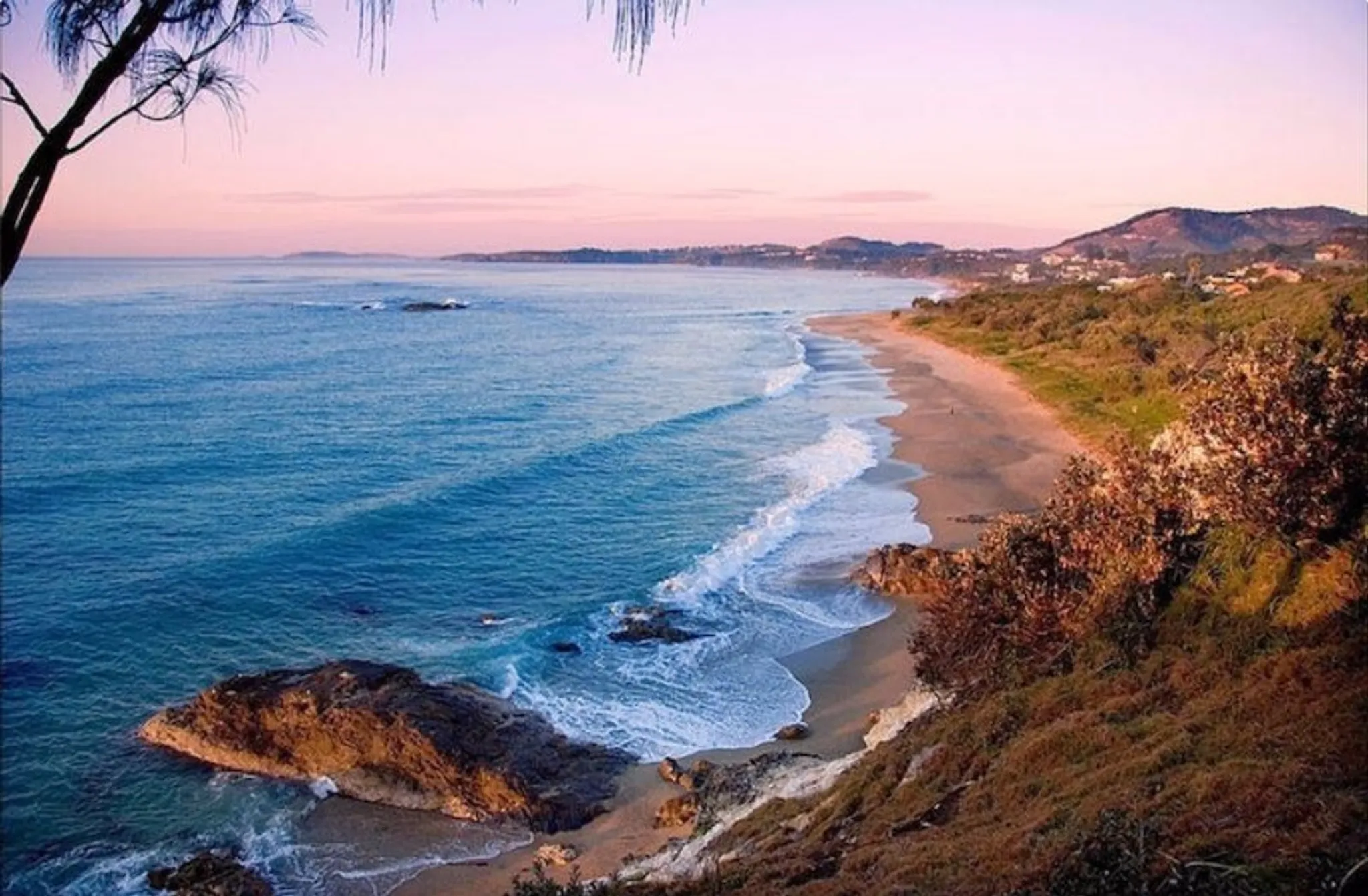
Most people know Coffs Harbour as the coastal paradise on the NSW Coffs Coast. It’s where the forest meets the sea and there are over 30 incredible beaches to explore and enjoy. Coffs Harbour beaches are next level beautiful, boasting that truly iconic laid-back Australian vibe with perfect conditions for swimming, surfing and just doing a whole lot of nothing much.
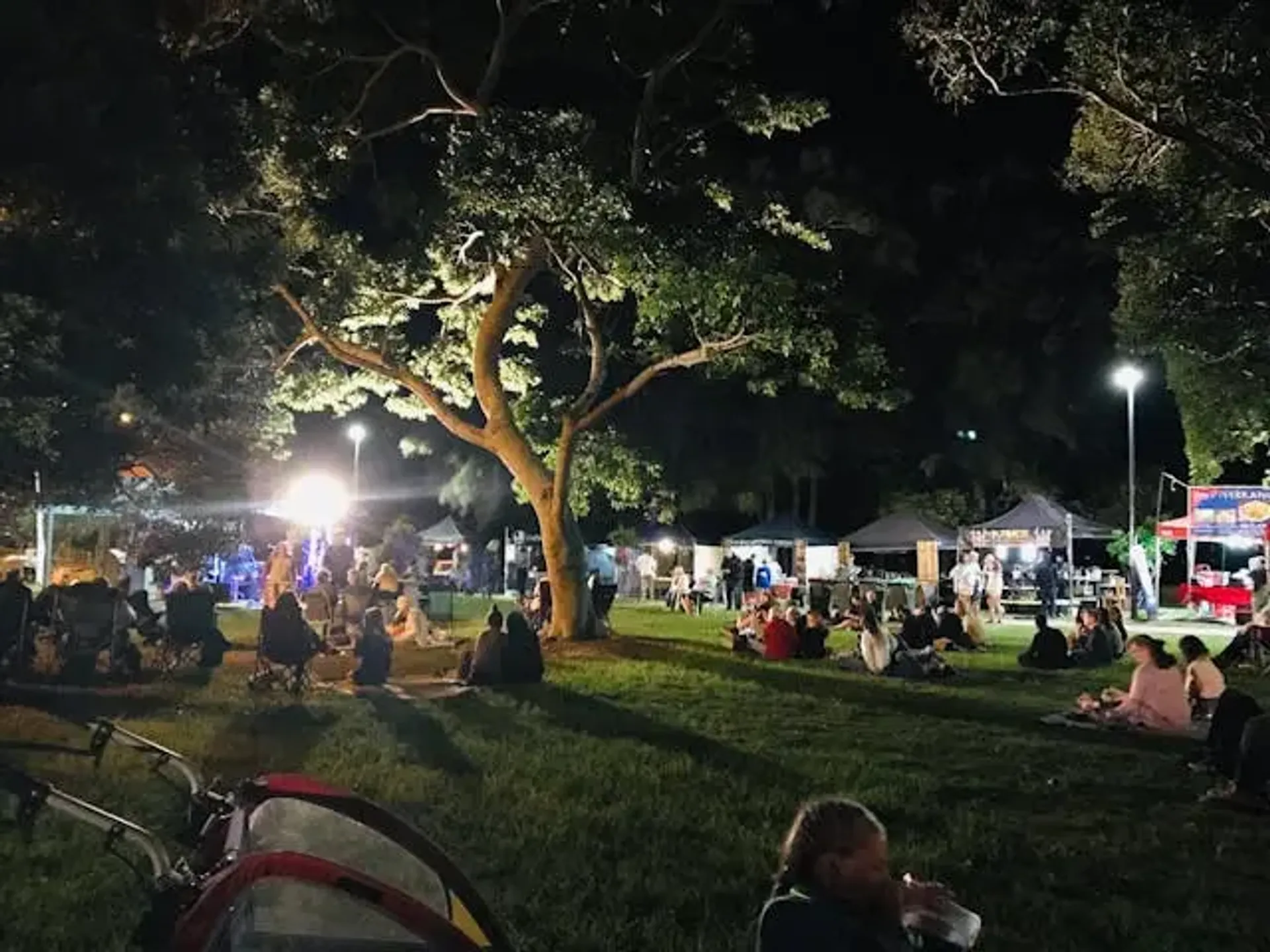
Discover the best markets on the Coffs Coast, from Coffs Harbour and Sawtell to Woolgoolga, Bellingen and Dorrigo. Explore local produce, artisan stalls, handmade goods and coastal favourites across the region.
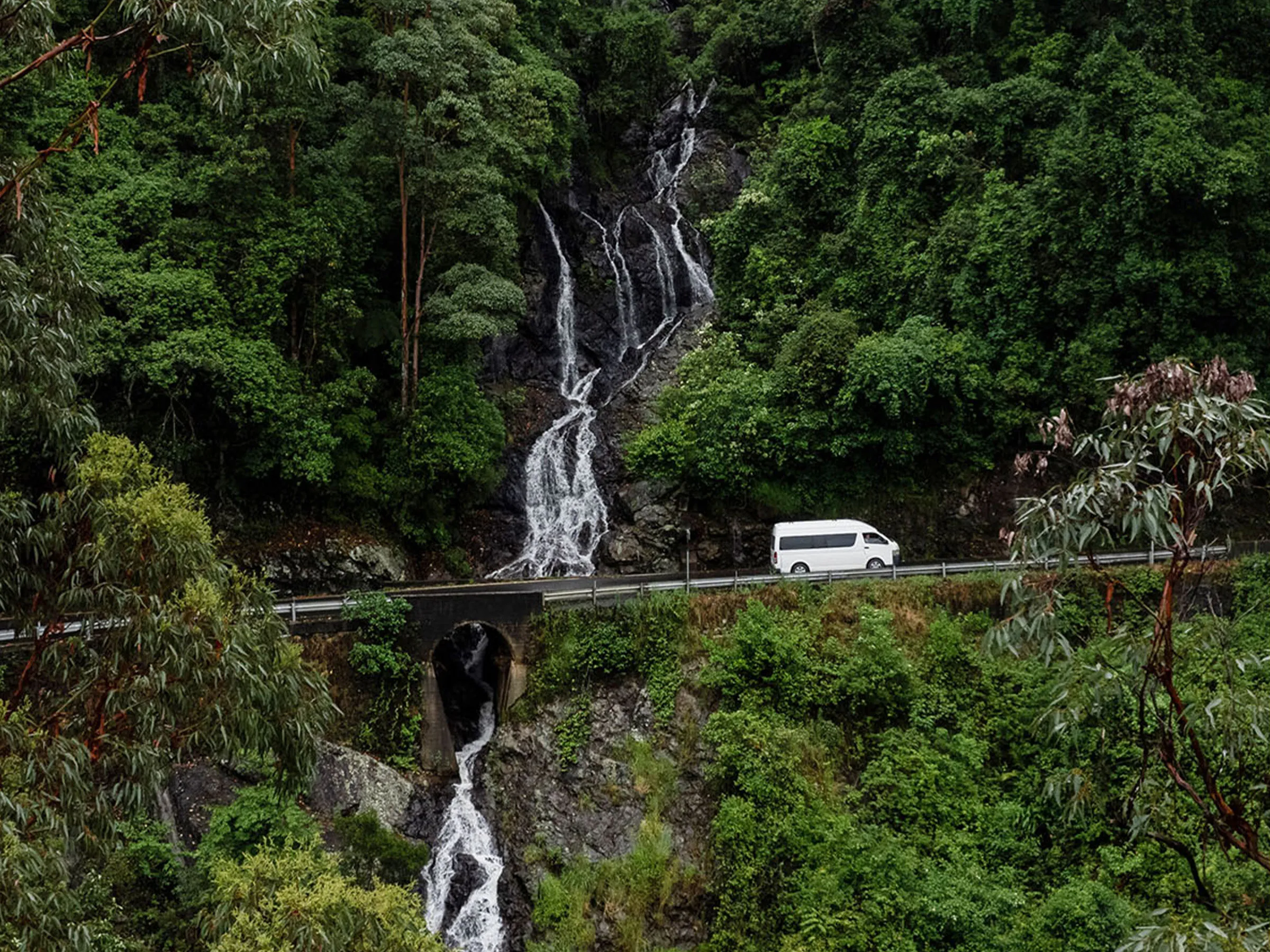
If you love nature, fresh air, and the sounds of moving water, the Coffs Coast is a no-brainer. This lush corner of NSW is home to some seriously stunning waterfalls, from easy roadside lookouts to some hidden gems worth the hike. So grab your walking shoes, pack a picnic, and hit the road.
Frequently asked questions
Didn’t find what you were looking for? We’re here to help. Get in touch here.
When is the wettest time of year in Urunga?
The transition between late summer (February) and early autumn (March/April) is the wettest time of year in Urunga and the Coffs Coast more generally. It's less continuous drizzle and more subtropical short downpours, so you can still get out and enjoy the day, but make sure you pack an umbrella and/or raincoat!
Does it flood in Urunga?
Urunga's position at the intersection between the Kalang and Bellinger rivers means that flooding is a real risk during heavy rainfall. Bellingen Shire Council monitors this activity and continually studies the local area, including past reports like the Central Urunga Flood Study. If you're visiting during the wetter months, it's worth checking the NSW SES website and Bureau of Meteorology Urunga forecast for the latest alerts before you travel.
What is the water temperature like for swimming in Urunga?
The ocean water off Urunga is swimmable year-round, even without a wetsuit in the cooler months! Late summer reaches temperatures in the high 20s°C, while it only drops to the low 20s°C in winter. Spring and autumn are the sweet spots with mid-20s°C water that most swimmers find perfect.
When is the wettest time of year in Urunga?
The transition between late summer (February) and early autumn (March/April) is the wettest time of year in Urunga and the Coffs Coast more generally. It's less continuous drizzle and more subtropical short downpours, so you can still get out and enjoy the day, but make sure you pack an umbrella and/or raincoat!
Does it flood in Urunga?
Urunga's position at the intersection between the Kalang and Bellinger rivers means that flooding is a real risk during heavy rainfall. Bellingen Shire Council monitors this activity and continually studies the local area, including past reports like the Central Urunga Flood Study. If you're visiting during the wetter months, it's worth checking the NSW SES website and Bureau of Meteorology Urunga forecast for the latest alerts before you travel.
When is peak season in Urunga?
Like the rest of the Coffs Coast, visitor numbers increase during the summer school holidays, from late December through January, due to the warm weather in Urunga and laid-back vibe families love. Accommodation fills up fast, so if you want to visit, then book ahead to secure your spot. Otherwise, plan your stay during autumn or spring to skip the traffic and enjoy a much more local feel.
Is Urunga worth visiting?
Short answer – absolutely! Even the weather in Urunga has a way of making people wish they'd stay longer. Between the iconic estuary boardwalk, rehabilitated wetlands, and easy-going cafe culture, there's a satisfying mix of nature, relaxation and adventure to be found. Urunga offers more than you'd expect from a small village despite being one of the smallest villages in the region.
Ways to stay in Urunga
Make Reflections Urunga your next getaway destination to plug into everything the Coffs Coast has to offer. There's camping and cabins to choose from, as well as a range of useful amenities – like a camp kitchen and school holiday activities – to make your day-to-day life a breeze. Join us on your next holiday to relax and explore one of Australia's most beautiful spots.