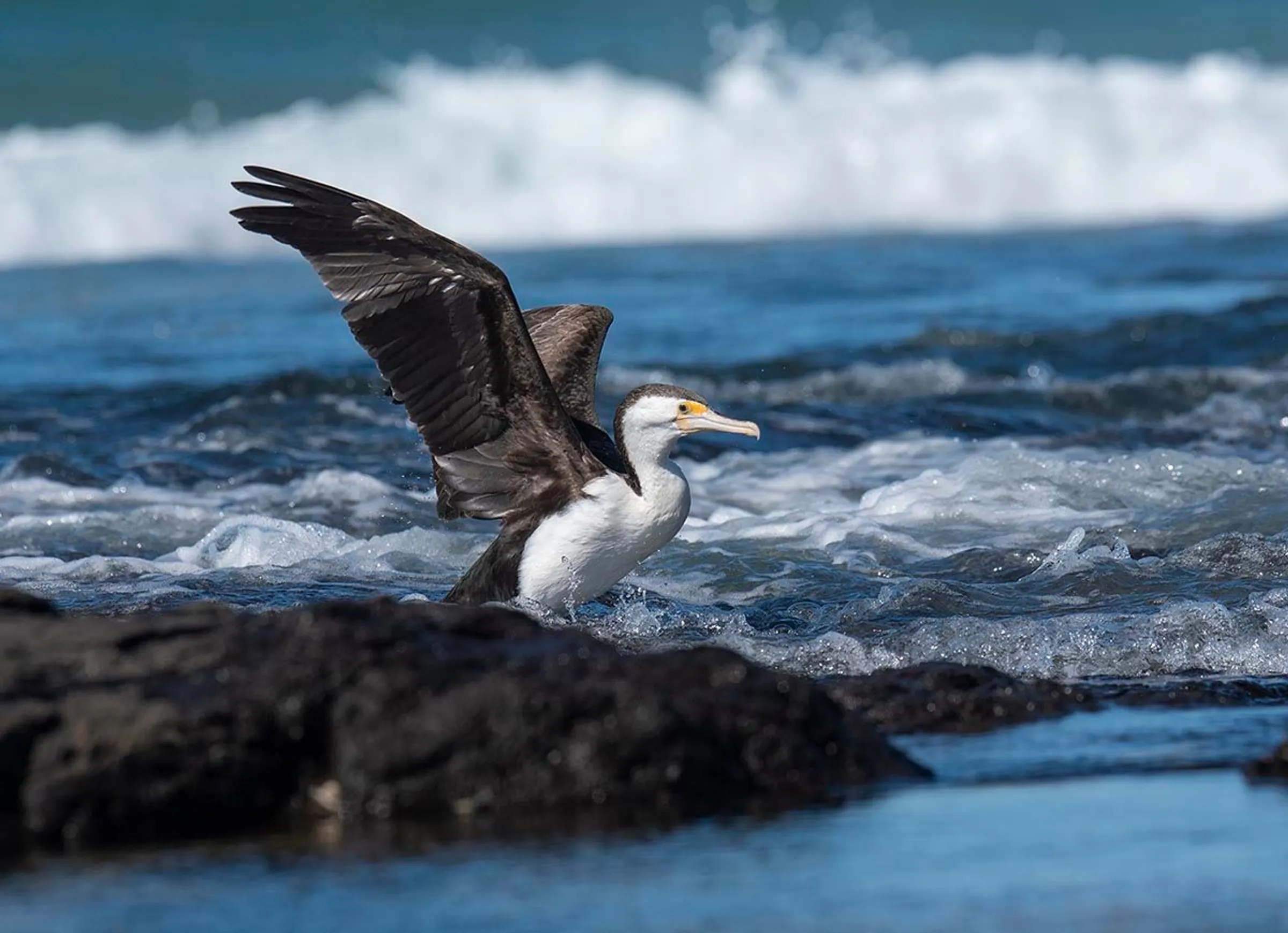
Meet Geoff and Debbie, Reflections Holidays ambassadors and avid birdwatchers from Ballina. Whenever they’re exploring a new destination, you’ll rarely find them without their binoculars and camera close at hand. On a recent visit to Reflections Corindi Beach, they spent some time discovering the local birdlife, spotting everything from colourful lorikeets and honeyeaters to impressive yellow-tailed black-cockatoos. Here are some of the birds they encountered – and where to look for them when you visit.
Brown honeyeater
Small and understated, the brown honeyeater makes up for its muted colouring with a surprisingly loud, musical call. Geoff and Debbie spotted these busy little birds darting among the foliage.
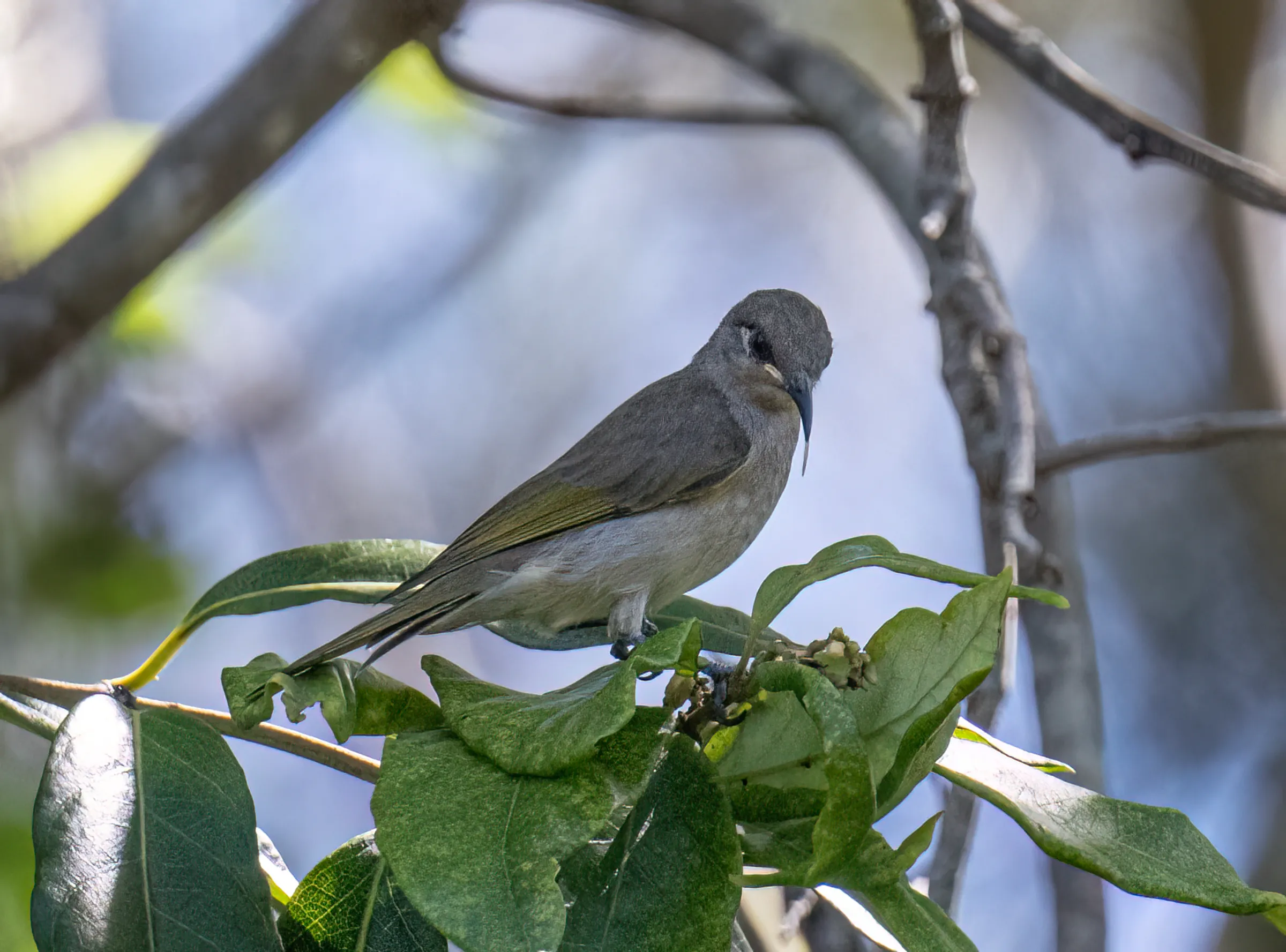
Look for them: Among flowering native trees and shrubs, feeding on nectar and insects.
Australian brush-turkey
You’re unlikely to mistake an Australian brush-turkey. These large, mostly black birds spend plenty of time on the ground, scratching through leaf litter in search of food.
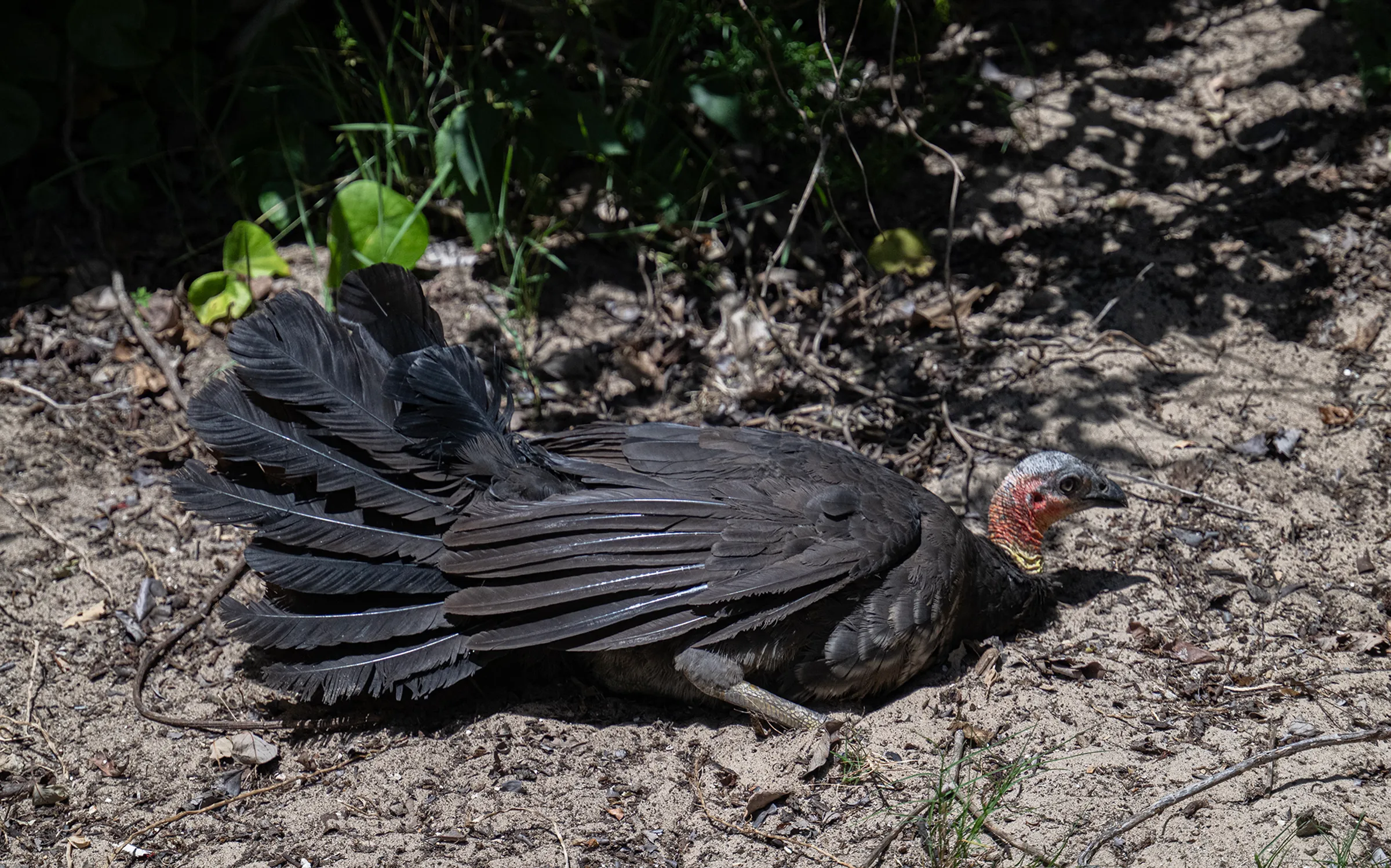
Look for them: On the ground around bushland, rainforest edges and leafy areas, particularly where there’s plenty of leaf litter.
Eastern rosella
The eastern rosella certainly added some colour to Geoff and Debbie’s bird list. With its bright red head, yellow breast and patches of blue and green, it’s a beauty.
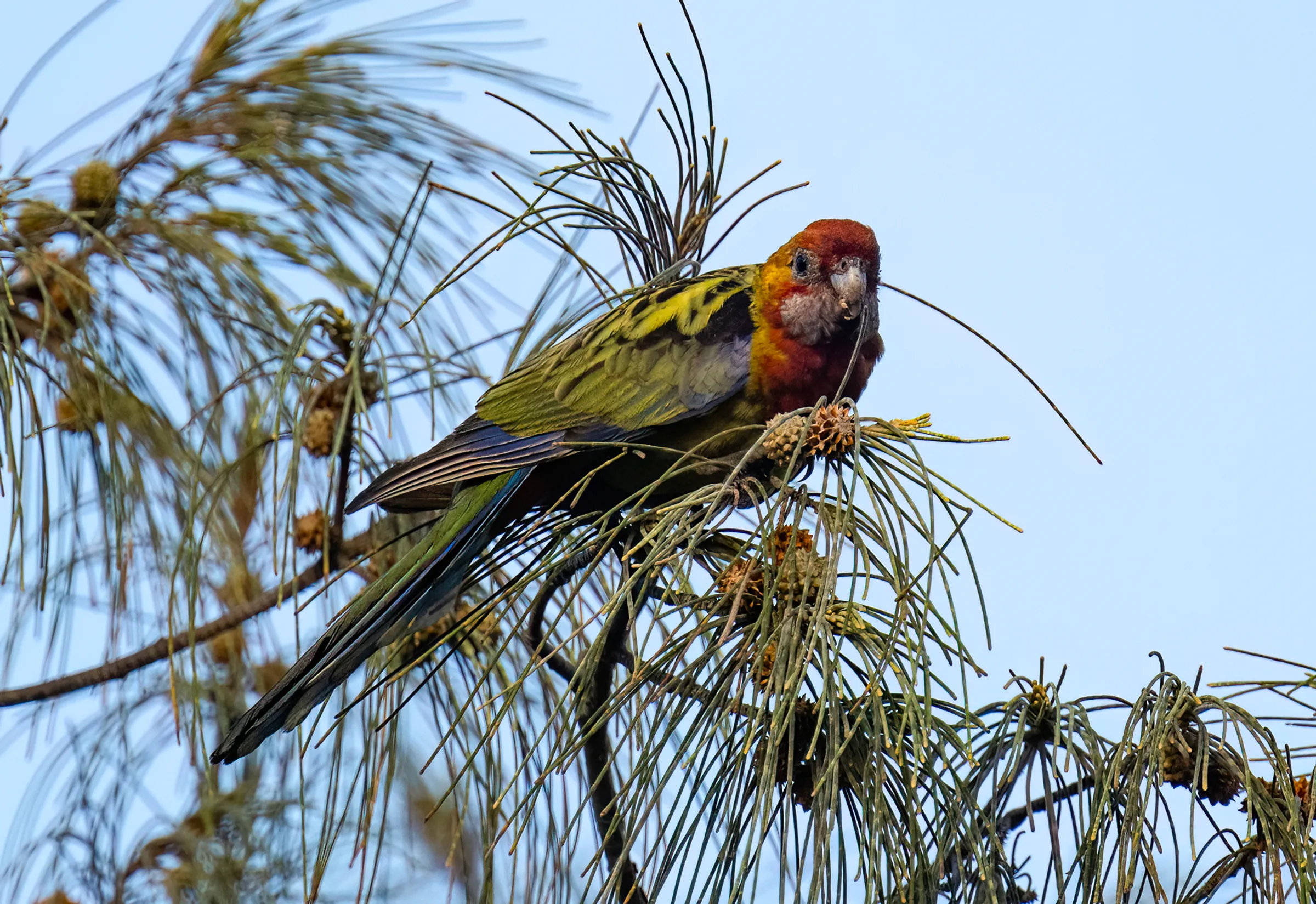
Look for them: Feeding on the ground in open grassy areas or perched in nearby trees.
Eastern yellow robin
The eastern yellow robin is a gorgeous little bird with a bright yellow breast. Geoff and Debbie found them in the quieter, more sheltered leafy areas around Corindi Beach.
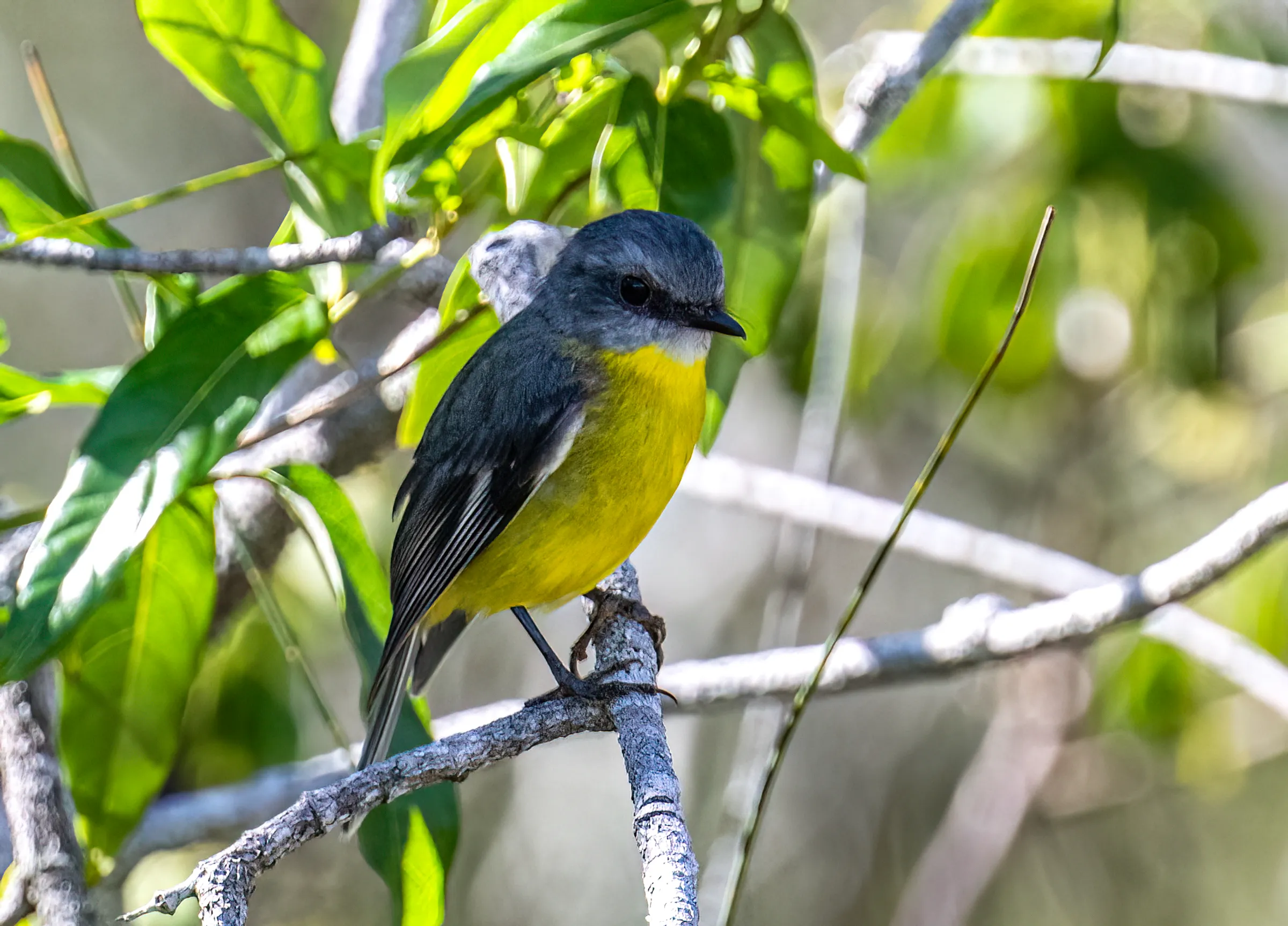
Look for them: Perched low on tree trunks, branches and other low perches in shady, wooded areas, watching for insects on the ground.
Galah
Pink, grey and full of personality, galahs are always entertaining to watch. Geoff and Debbie spotted them gathering together and feeding around open areas.
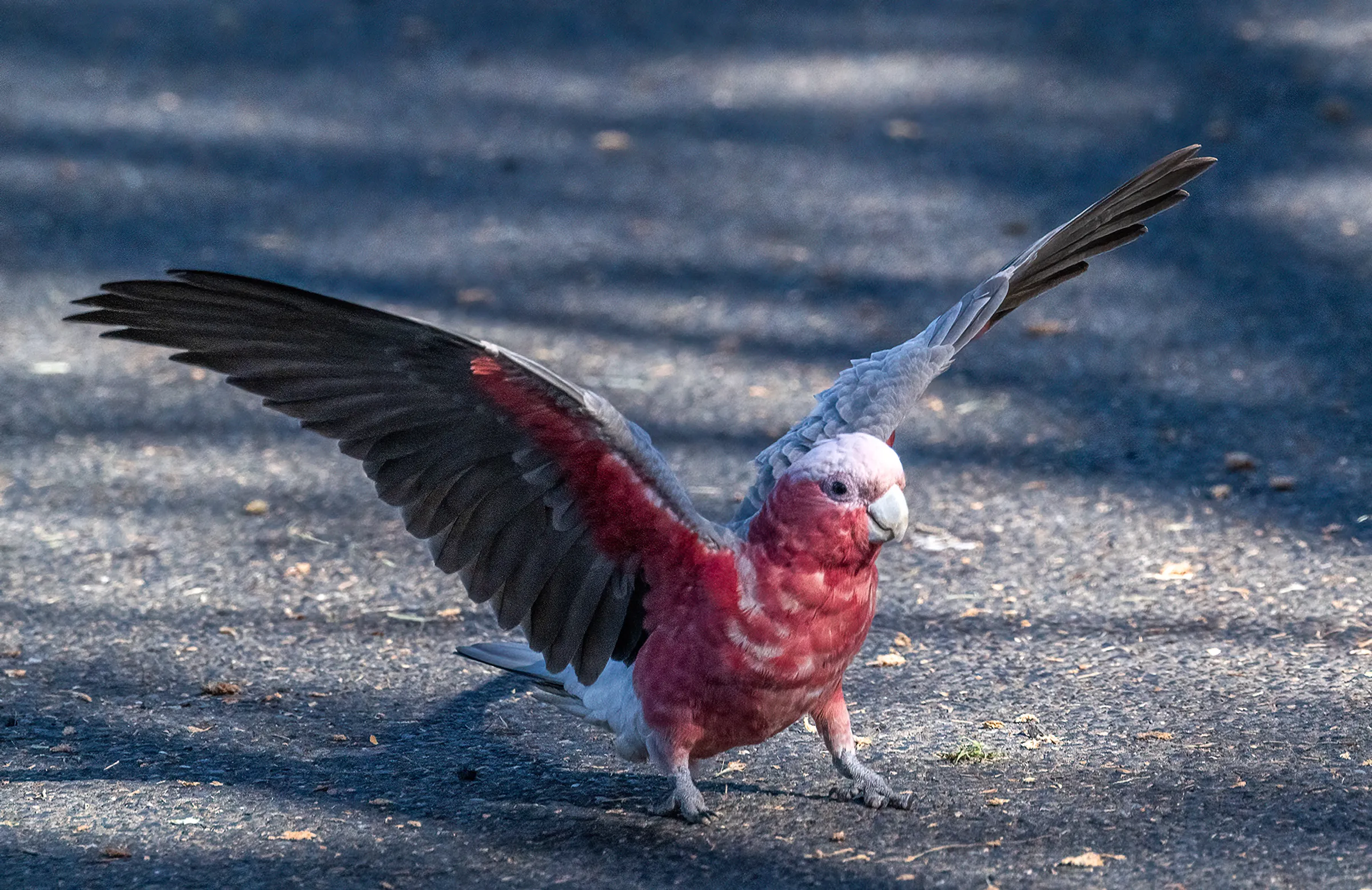
Look for them: On grassy areas feeding on seeds, or gathered in trees and flying overhead in noisy groups.
Little wattlebird
Little wattlebirds are active honeyeaters with streaky grey-brown plumage and a distinctive, rather noisy call.
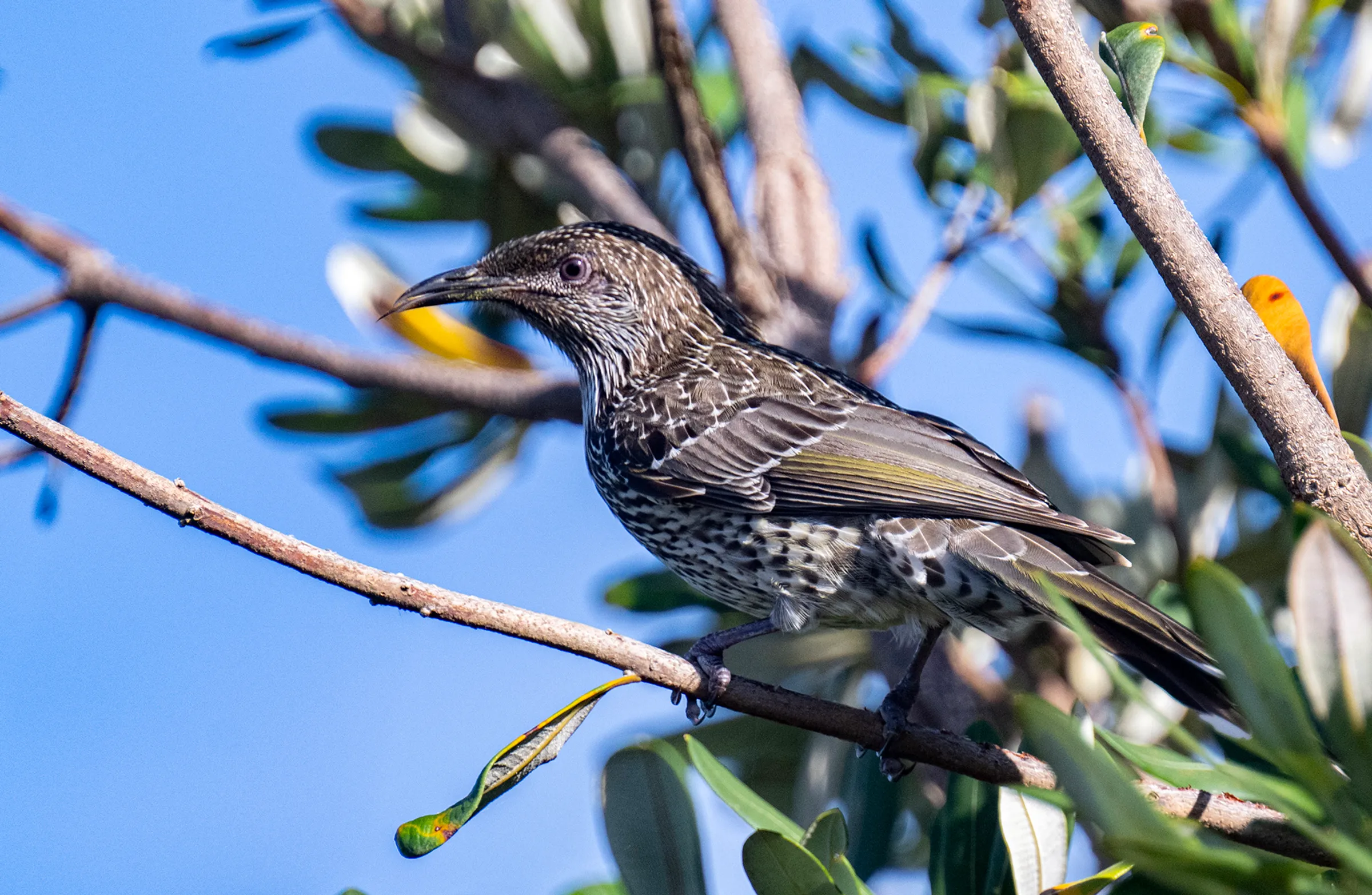
Look for them: Among flowering banksias, grevilleas and other nectar-rich native plants in coastal heath and gardens.
Rainbow lorikeet
There’s no missing a rainbow lorikeet when its incredible blue, green, orange and red plumage comes into view. They’re usually accompanied by plenty of chatter too.
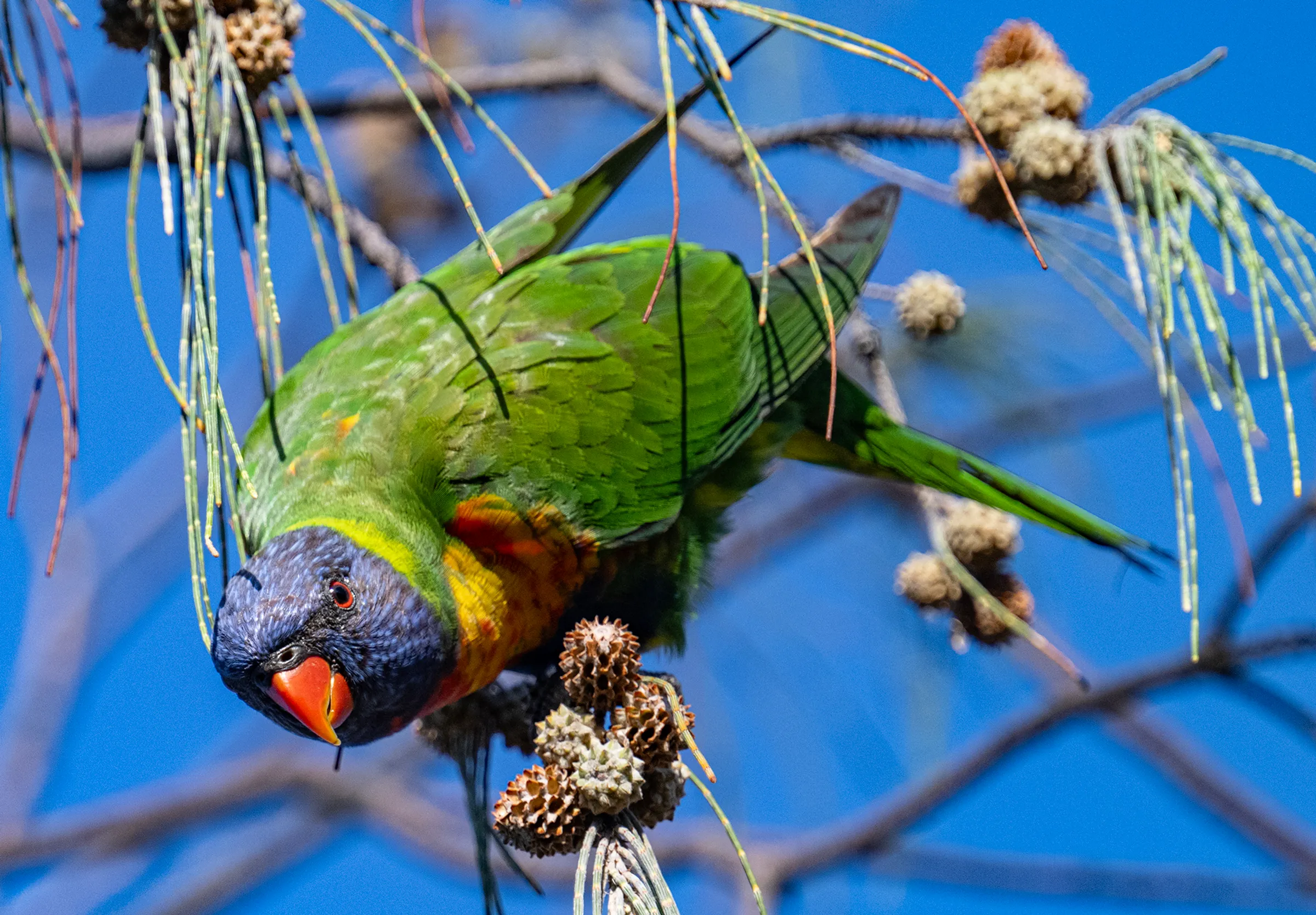
Look for them: Feeding high in flowering eucalypts and other blossoming trees, often in lively groups.
Scaly-breasted lorikeet
A little less conspicuous than its rainbow-coloured cousin, the scaly-breasted lorikeet is predominantly green with distinctive yellow markings across its chest.
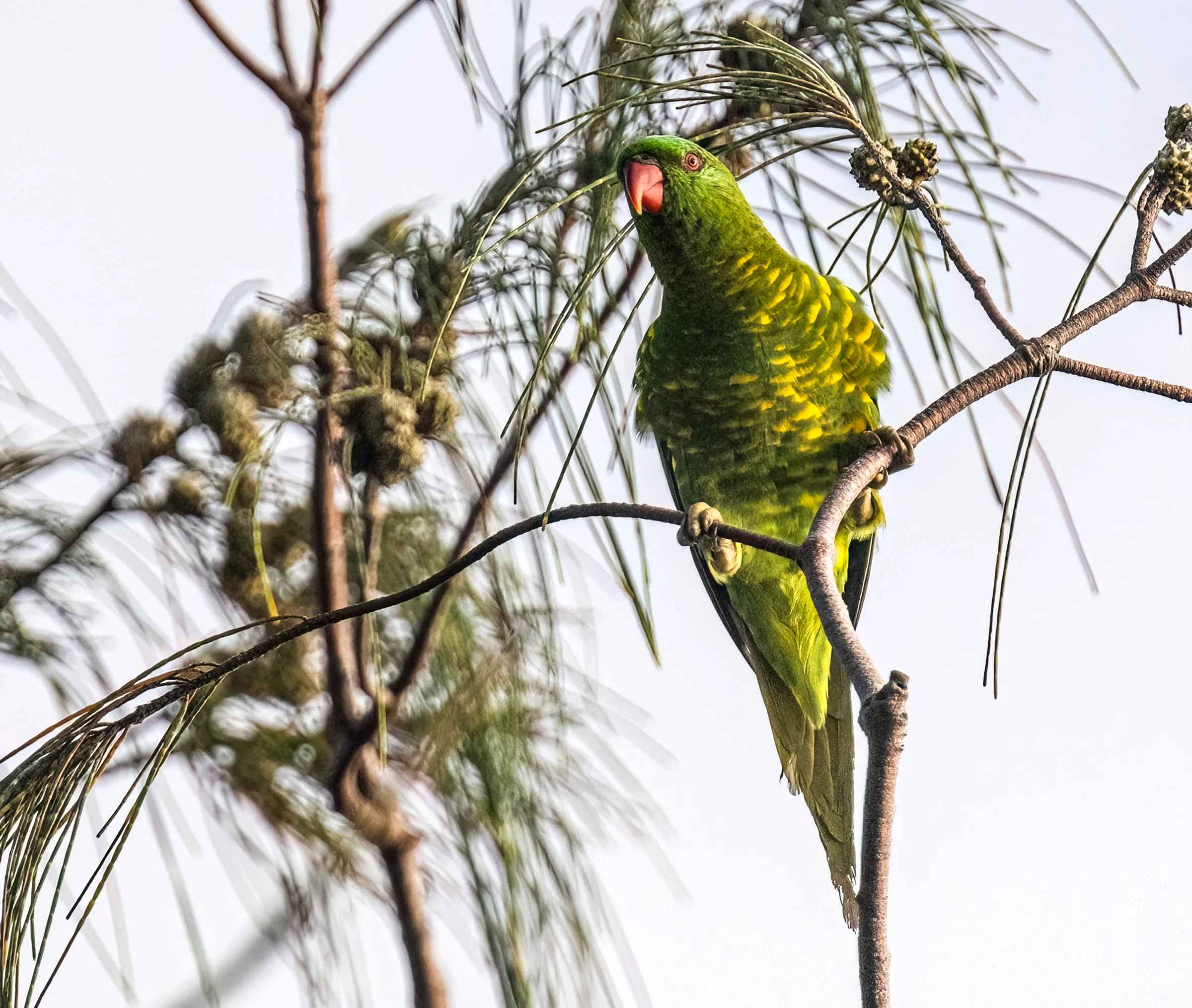
Look for them: High among the leaves and blossoms of flowering trees – their green plumage can make them surprisingly difficult to spot.
Silvereye
Tiny, quick and easily recognised by the ring of white feathers around its eye, the silvereye was one of Geoff and Debbie’s smaller finds.
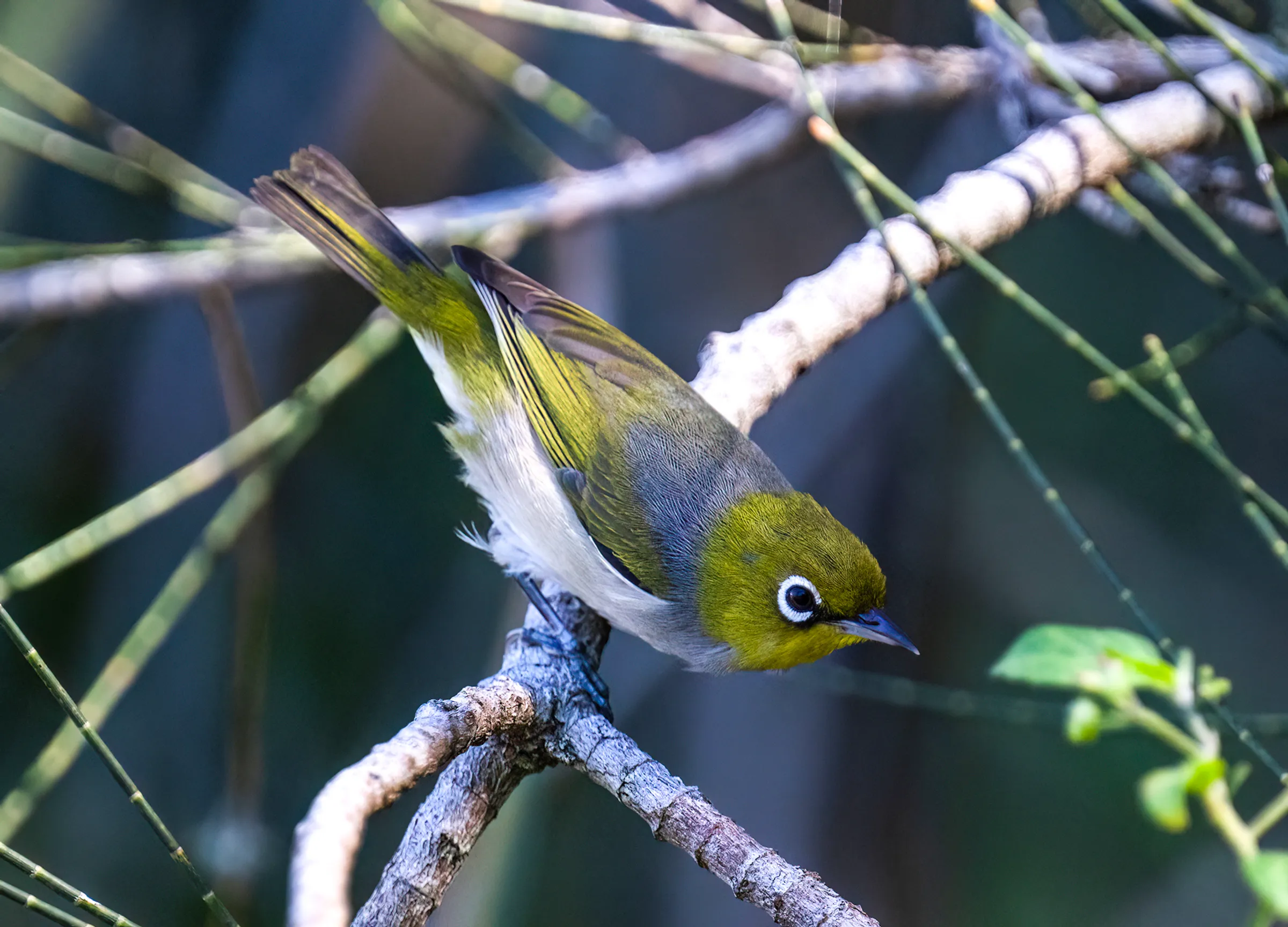
Look for them: Moving in small groups through shrubs, gardens and coastal vegetation as they search for insects, fruit and nectar.
Laughing kookaburra
Often heard before it’s seen, the laughing kookaburra’s famous call is one of the great sounds of the Australian outdoors.
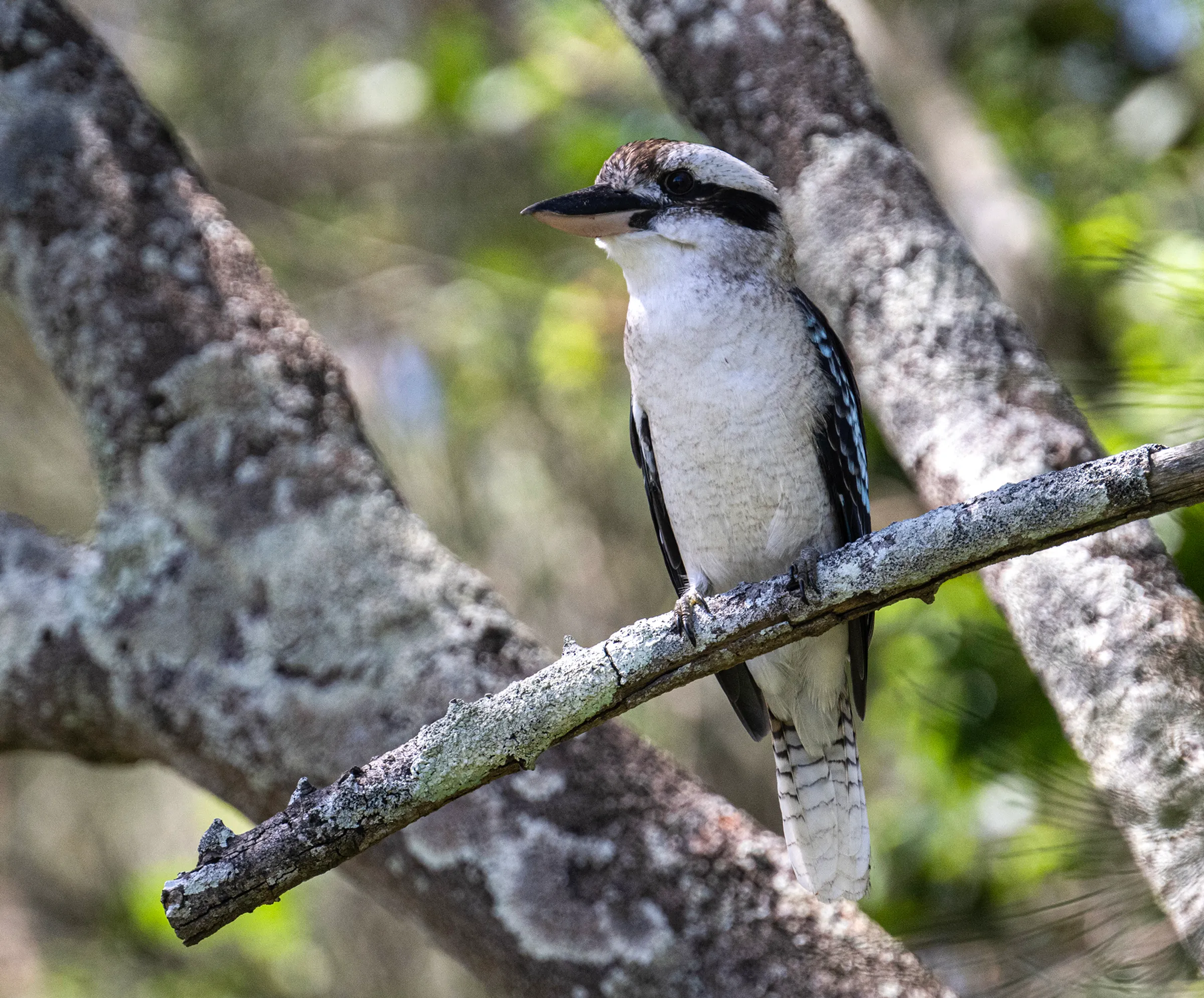
Look for them: Sitting quietly on exposed branches, fences or other perches as they watch the ground for prey.
Sooty oystercatcher
The sooty oystercatcher stands out with its all-black plumage, long red-orange bill and reddish legs. Spotting one is a good reminder to keep an eye on the shoreline as well as the trees.
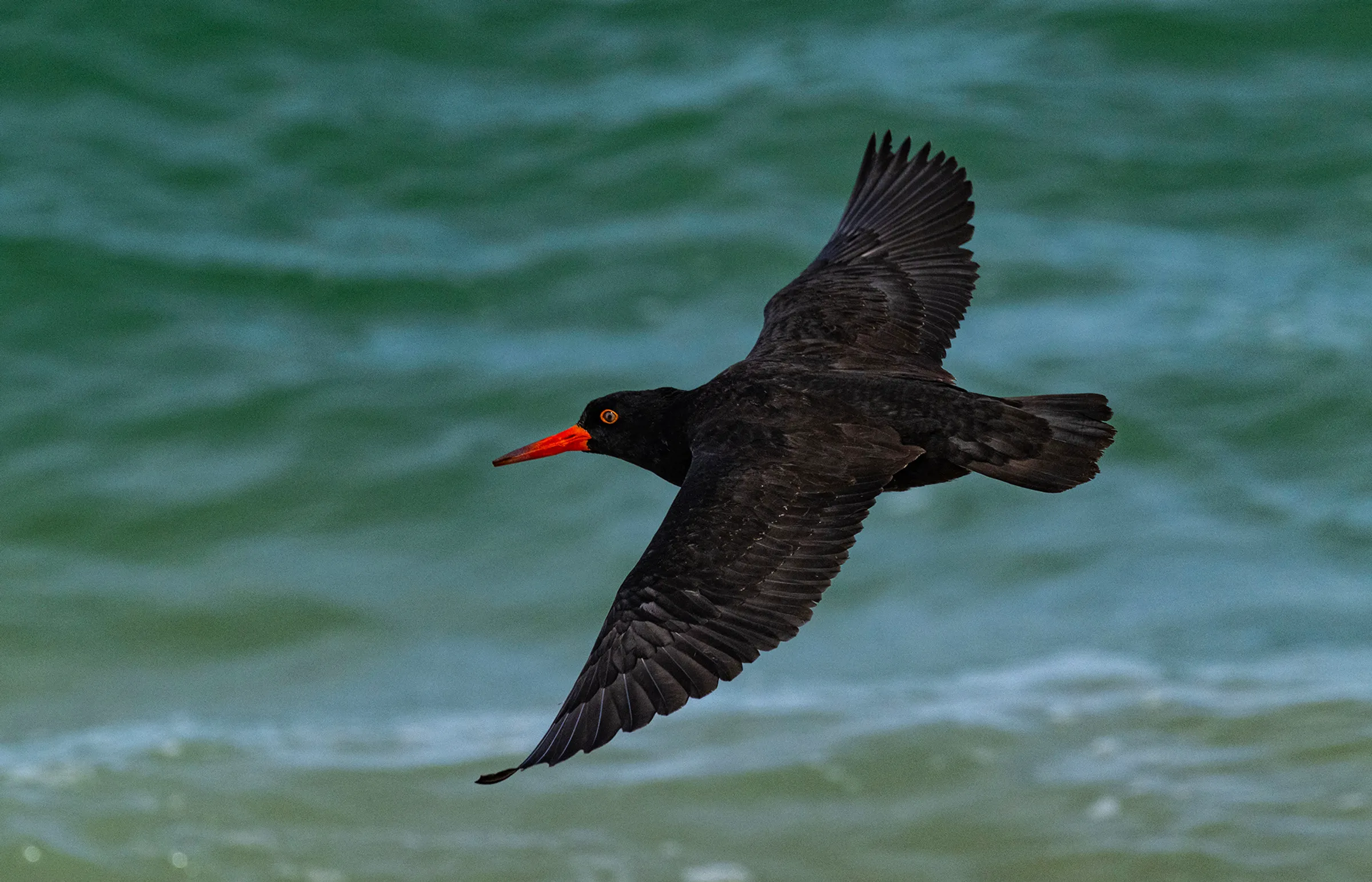
Look for them: Along rocky shorelines, reefs and headlands, where they forage for shellfish and other marine creatures.
Spangled drongo
The spangled drongo might look black from a distance, but sunlight can reveal beautiful glossy blue-green tones. Its long, forked tail is another useful identification clue.
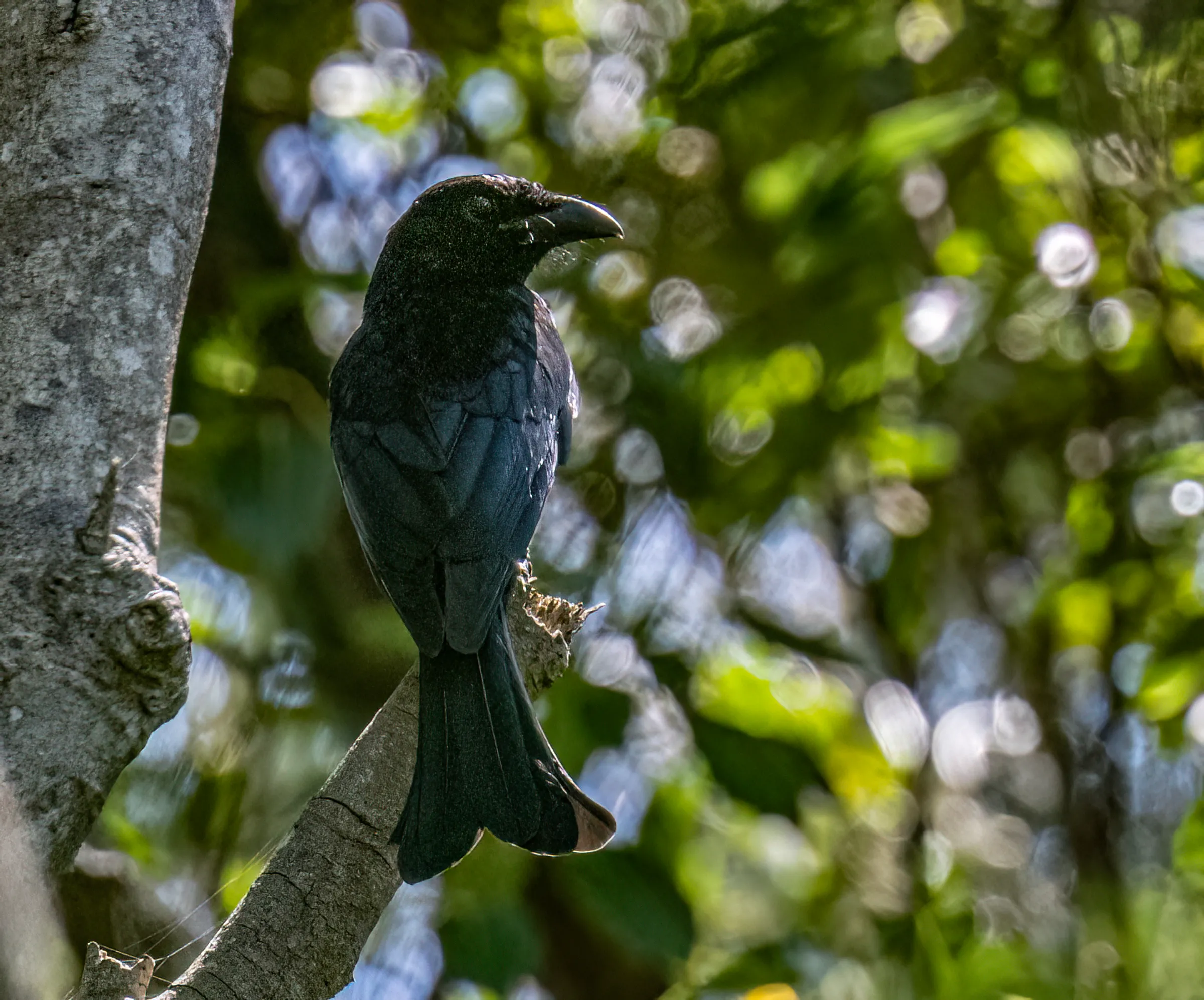
Look for them: Perched conspicuously in trees or flying out from a perch to catch insects in the air.
Spotted dove
These gentle-looking doves are often seen walking along the ground, where their spotted neck patch helps distinguish them from other local pigeons and doves.
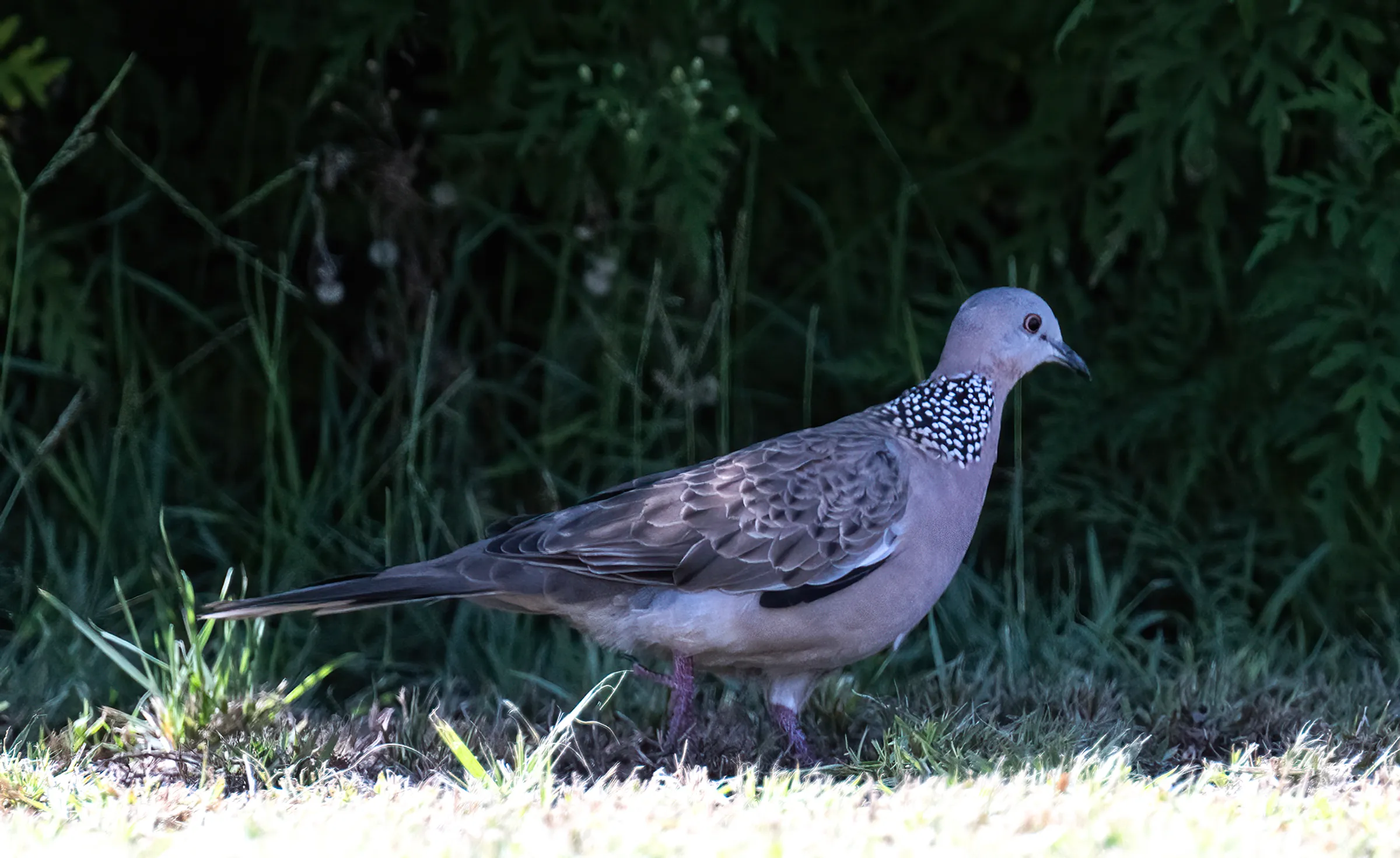
Look for them: On lawns, paths and other open ground where they forage for seeds, often in pairs or small groups.
White-cheeked honeyeater
With bold black-and-white markings and flashes of yellow, the white-cheeked honeyeater was another striking bird on Geoff and Debbie’s list.
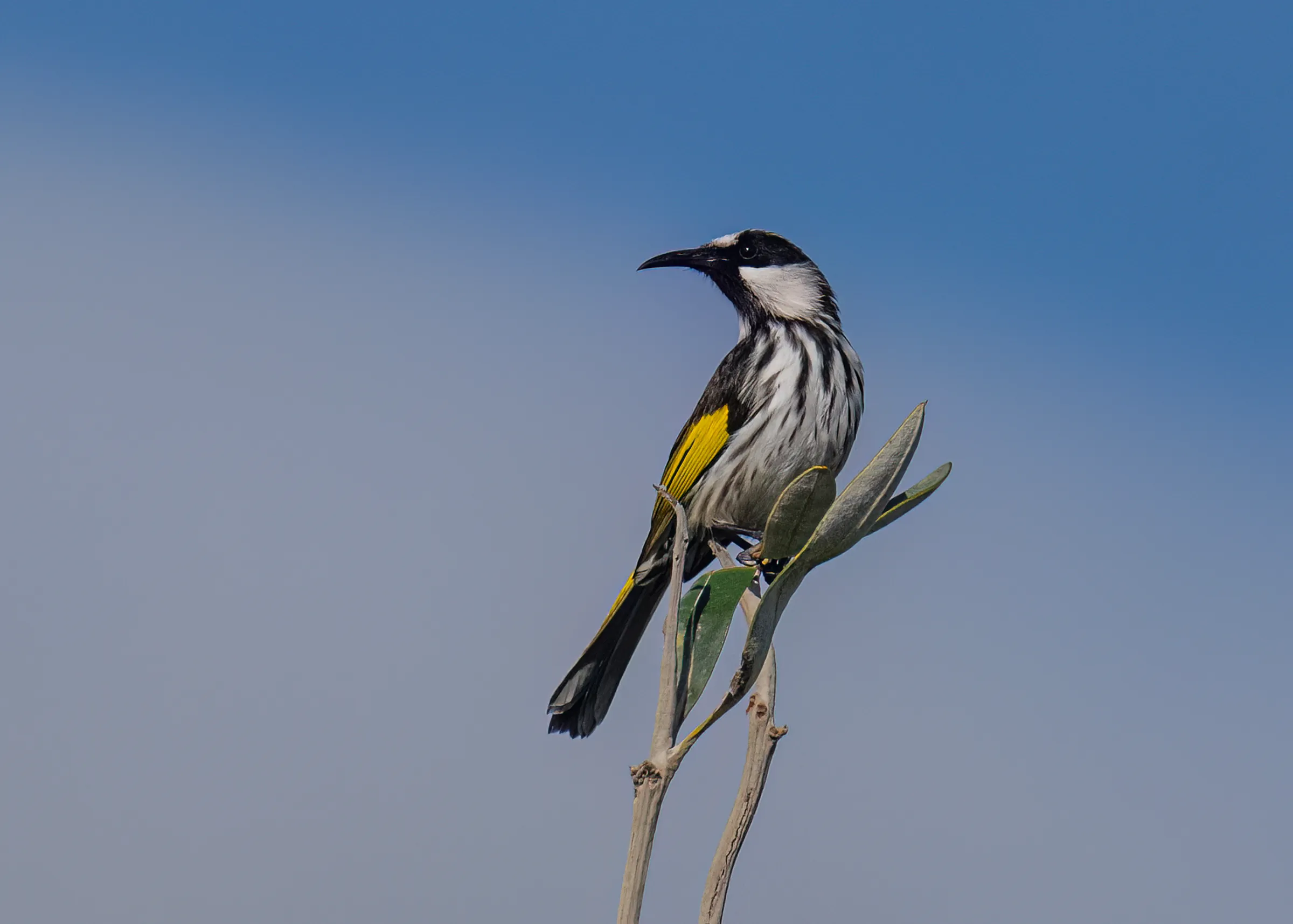
Look for them: Among flowering banksias and other native shrubs in coastal heath and woodland, where they feed on nectar and insects.
Yellow-tailed black-cockatoo
One of Geoff and Debbie’s most memorable sightings was the yellow-tailed black-cockatoo. These large black birds have distinctive yellow cheek patches and yellow panels through their tails, along with a wonderfully unmistakable call.
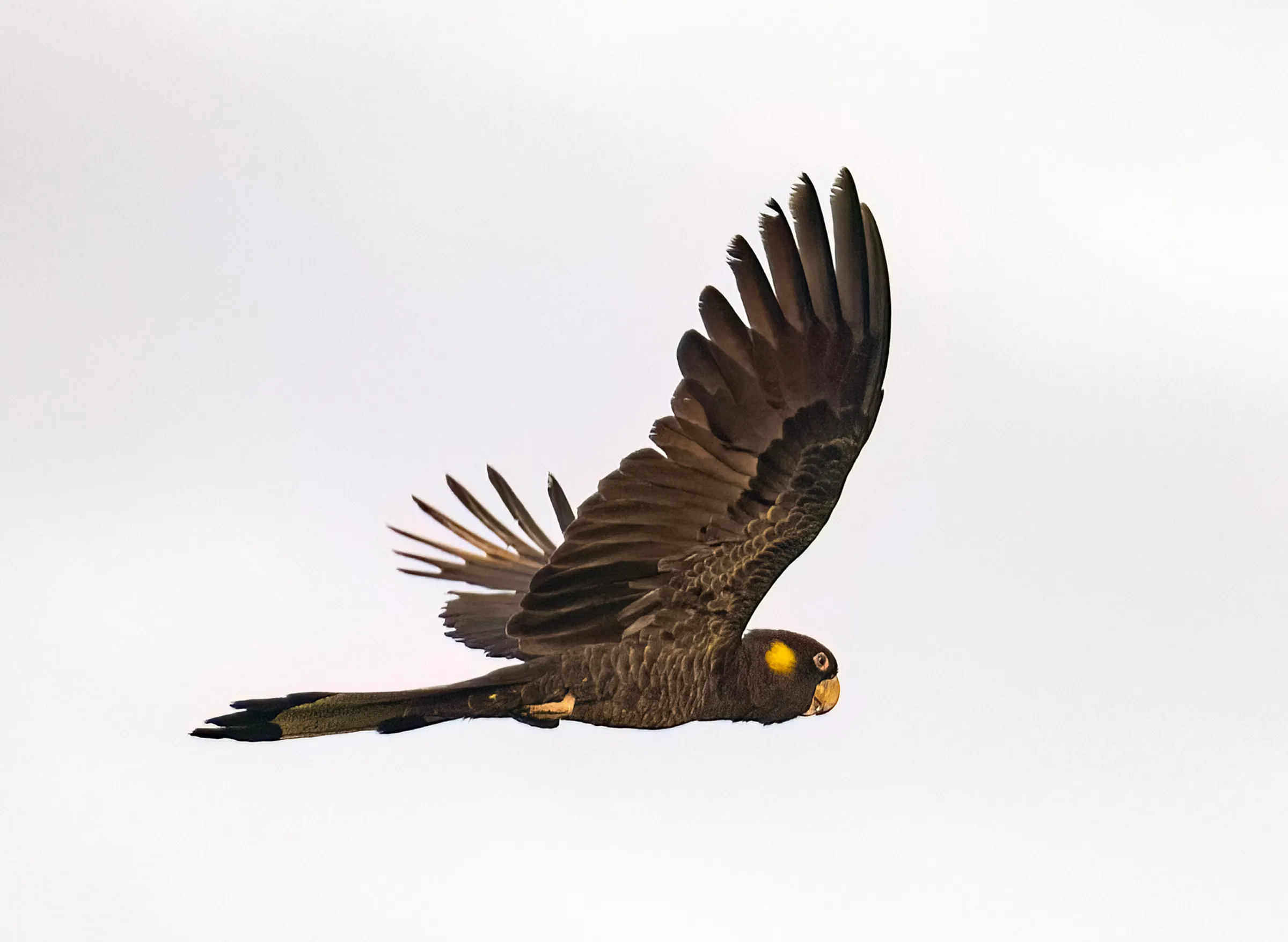
Look for them: Flying slowly overhead in pairs or small groups, or feeding in native and introduced trees, particularly where they can find seeds or wood-boring insect larvae.
Birdwatching at Corindi Beach
One of the joys of birdwatching at Corindi Beach is that you don’t necessarily need to go searching far or be a professional bird watcher (checkout our beginners guide to bird watching here). Keep your binoculars nearby, listen for unfamiliar calls and pay attention to what’s happening in the trees, shrubs and along the coastline.
Scan flowering trees for lorikeets and honeyeaters, check open grassy areas for rosellas and galahs, listen to the bush for robins and kookaburras, and keep an eye on rocky sections of coastline for oystercatchers.
Sometimes the best wildlife encounters happen simply by slowing down and seeing what’s already around you. Check out more spots perfect for bird watching in NSW
Related articles
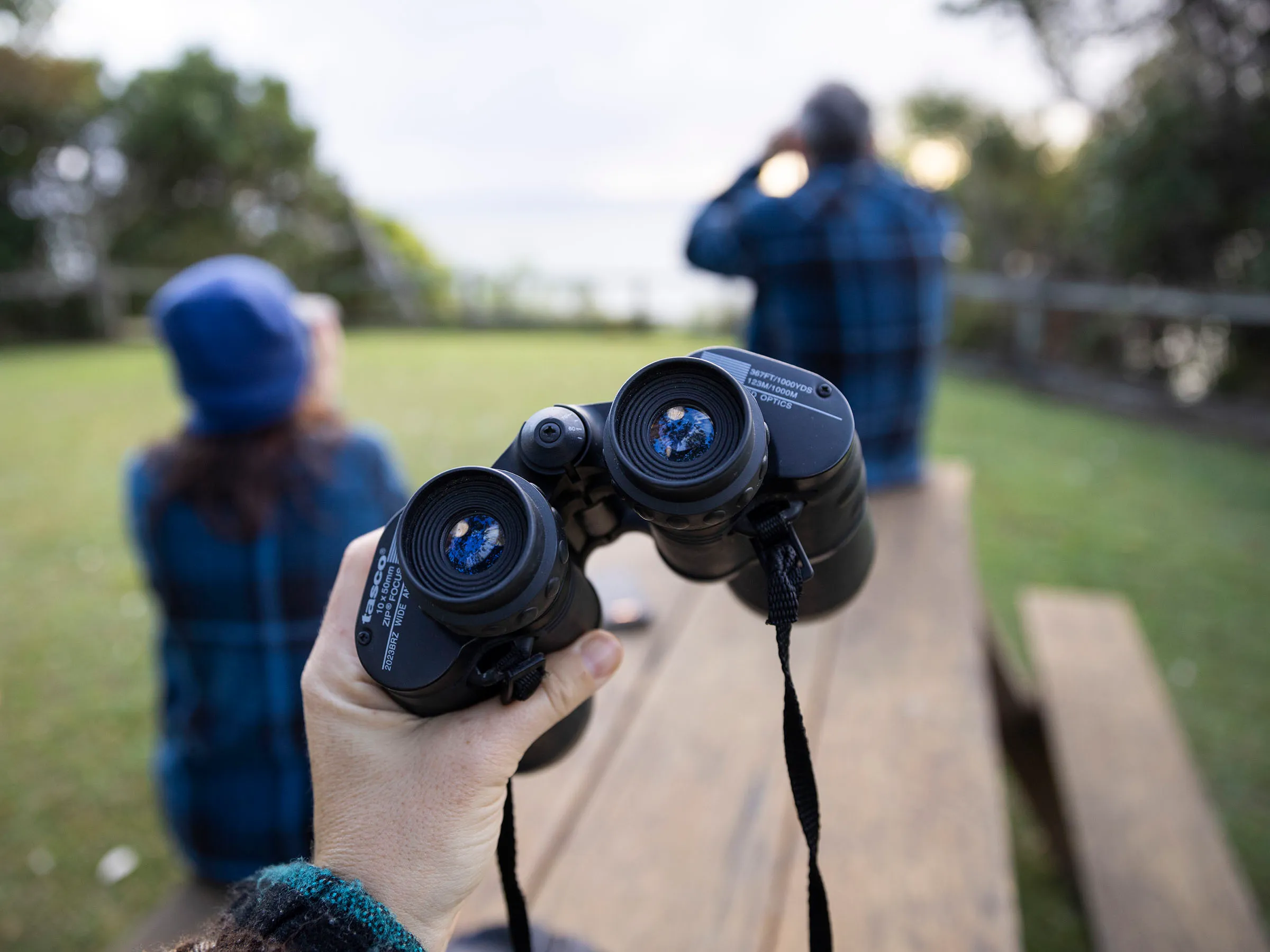
What the flock? A beginner’s guide to birdwatching
2 min read
New to birdwatching? Grab your binoculars (or just keep your eyes peeled) and discover easy tips for...
Read more
Fathers Day gift ideas - for the camping Dad
2 min read
Find the best gifts for camping dads, from fishing trips and golf to camping gear, outdoor adventures...
Read more
The ultimate gift list for campers and caravanners
2 min read
Find the perfect gift for campers and caravanners with our ultimate gift guide, packed with camping...
Read more
Best dog-friendly beaches in Ballina & Lennox Head, Ballina Shire
2 min read
Discover the best dog-friendly beaches in Ballina and Lennox Head, including off-leash areas, dog-friendly...
Read more
Must-visit food and wine destinations in Country NSW
2 min read
Taste your way through Country NSW with our guide to must-visit wineries, cellar doors and food...
Read more
Best family-friendly things to do in Port Macquarie
2 min read
Plan a family holiday in Port Macquarie. Explore kid-friendly beaches, wildlife experiences, outdoor...
Read more