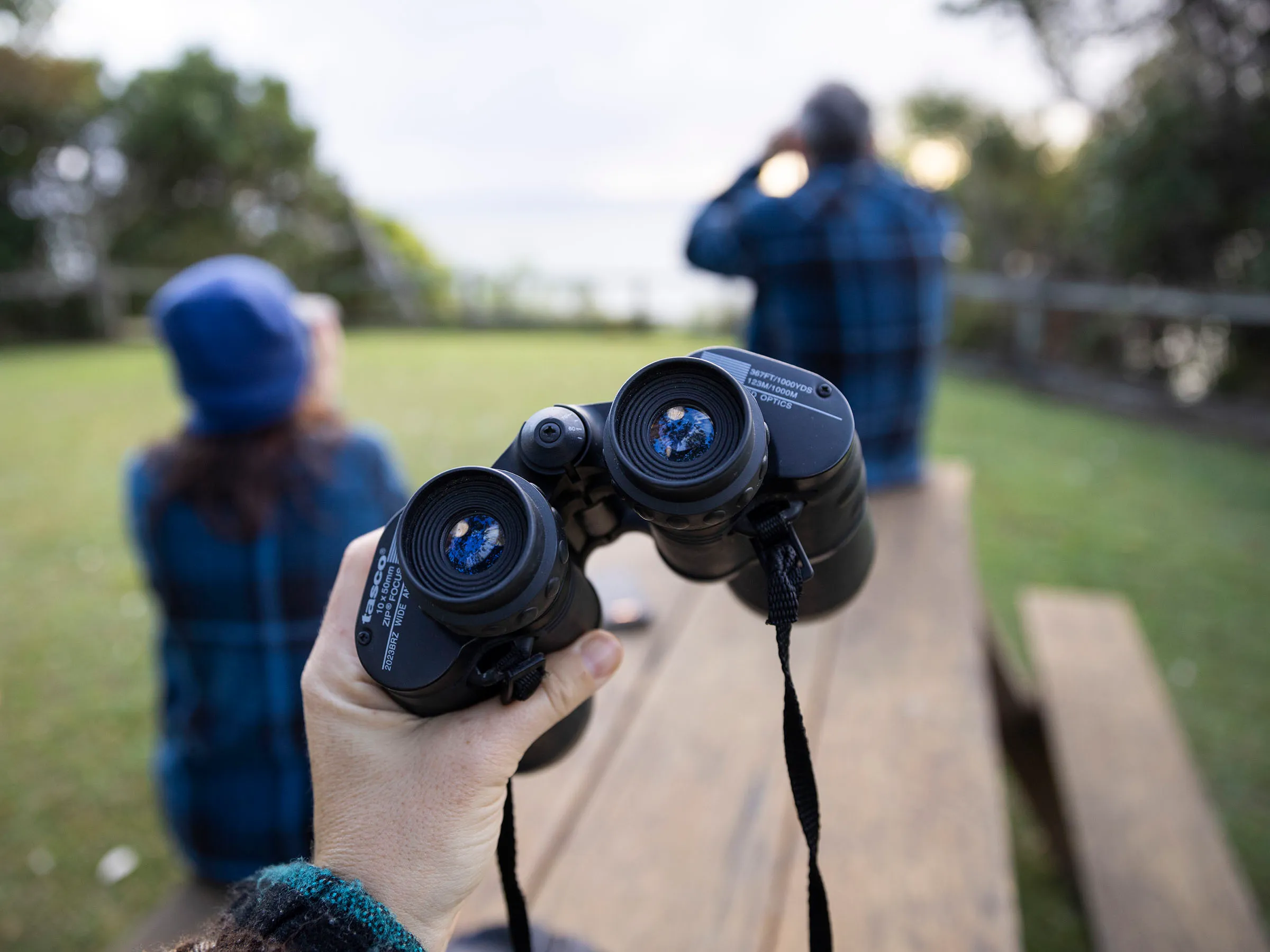
There's no need to wing it, birdwatching is one of those activities you can make as simple or as serious as you like.
In fact, some of the best bird watching and spotting comes from simply getting out in nature and looking up. All you really need are your eyes, ears to listen for bird calls, and a little time to slow down and notice what’s around you.
You don’t need expensive equipment or expert knowledge to get started. From the gear that can make birdwatching even better and the best bird identification apps to photography tips, birding lingo and some of NSW’s weirdest and most wonderful birds, here’s everything you need to get spotting.
How to start birdwatching
Start with the basics:
- Keeping your eyes, ears and mind open
- Early morning and late afternoon can be particularly rewarding
- Look around trees, waterways, bushland, beaches and flowering plants
- Sit quietly rather than constantly walking
- Learn a handful of common local birds first
- Listen for calls as well as looking for movement
Bird watching etiquette
Good birdwatching etiquette matters just as much as good gear.
- Move slowly and quietly, avoid sudden movements, and keep your voice low, birds are far more likely to stick around (and reveal interesting behaviour) if they don't feel threatened.
- Stick to formed tracks and trails rather than pushing into undergrowth, both to protect fragile habitat and to avoid disturbing nesting sites you might not even notice. See National Parks & Wildlife for track etiquette and reserve-specific guidelines
- If you're using a call-playback app or recording to draw a bird in for a better look or photo, use it sparingly, repeated or prolonged playback can stress birds, disrupt their natural behaviour, and in breeding season, pull them away from nests or mates when they can least afford the distraction. A good rule of thumb: one or two short plays, then move on if there's no response, and avoid it altogether around known nesting areas or with threatened species.
What birdwatching equipment do you actually need?
Good news: you don't need to spend hundreds of dollars on gear before you start spotting.

You actually need:
Your eyes, a bit of patience and ideally a phone.
Nice to have:
Binoculars, a bird identification app, a notebook or tracking app, camera/phone camera, hat, water and comfortable shoes.
Best bird identification apps and trackers
Check out these apps:
- eBird – excellent for logging sightings, keeping life lists and seeing what other birdwatchers have recorded nearby.
- iNaturalist – useful for identifying and recording all sorts of wildlife, not just birds.
- Wingmate – turn birdwatching into a game by collecting sightings, ticking off species and challenging friends and family.
Where to go birdwatching in NSW
One of the best things about birdwatching is that you can do it almost anywhere. Beaches, wetlands, rainforests, rivers, lakes and even the trees around your campsite can turn up something worth adding to your list.
Ready to see what’s out there? Check out our guide to bird watching in NSW for some of our favourite birdwatching spots, what you might see and where to stay along the way.
Here are a few feathered characters to keep on your radar as you travel around NSW.
Far North Coast
With subtropical rainforest, rivers, estuaries and long stretches of coastline, there’s plenty of variety for birdwatchers on the NSW Far North Coast.
- Rainbow Bee-eater – Look for flashes of green, blue and gold as these colourful birds swoop after insects.
- Regent Bowerbird – The striking black and golden-yellow male is a special find in the region’s subtropical rainforests.
- Pied Oystercatcher – Head to beaches and estuaries to look for this distinctive black-and-white shorebird with its long red-orange bill.
Coffs Coast
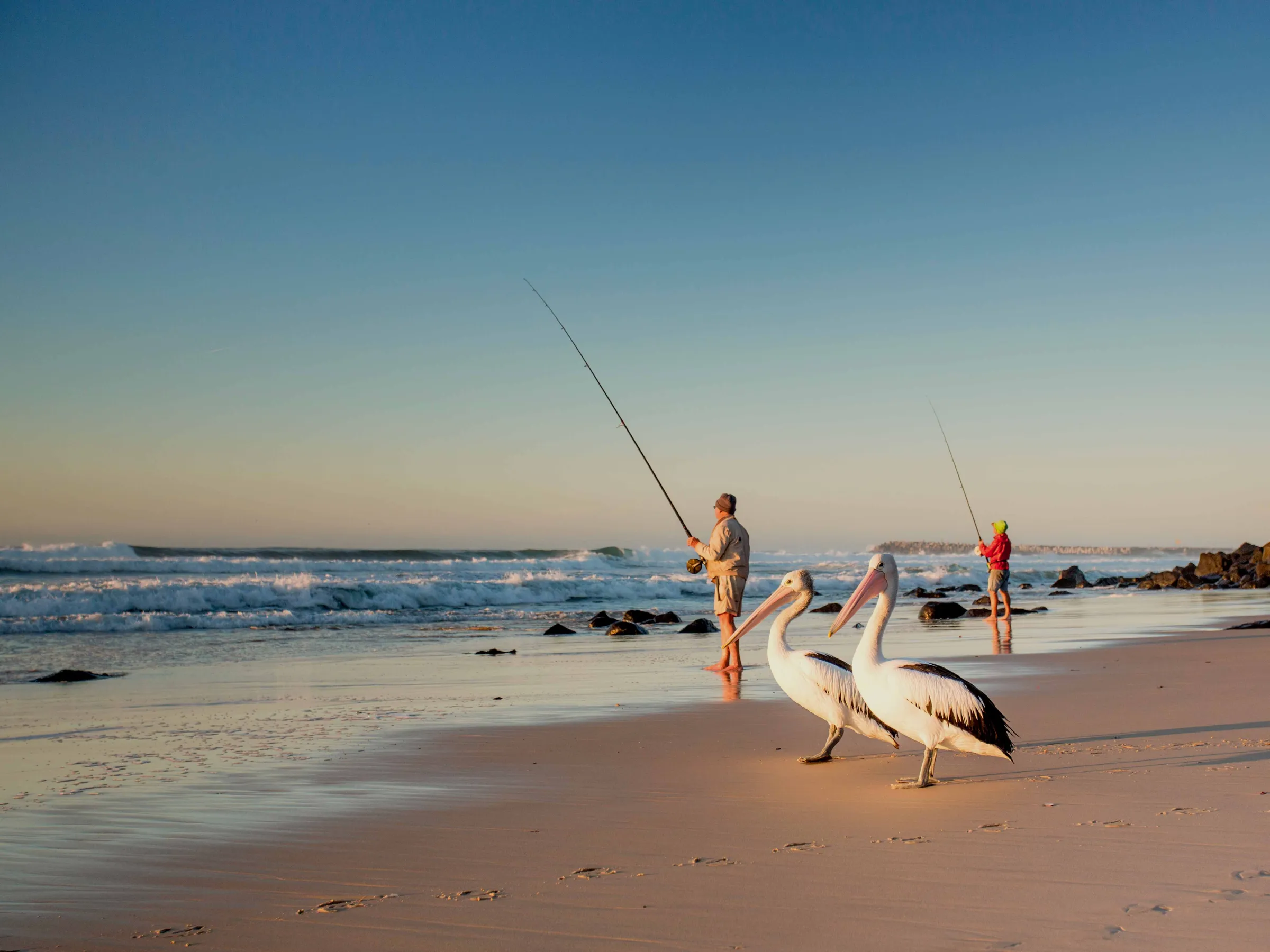
Rainforest meets the sea around the Coffs Coast, giving you the chance to spot everything from colourful fruit-doves to some seriously impressive forest birds.
- Wompoo Fruit-Dove – A spectacular green, purple and yellow pigeon found in rainforest and fruiting trees.
- Superb Lyrebird – Famous for its elaborate tail and extraordinary ability to mimic other birds.
- Glossy Black-Cockatoo – A special sighting around forests and woodlands where their favourite casuarina food trees grow.

Mid North Coast
Keep your eyes on the treetops, waterways and shoreline as you explore the lakes, estuaries, forests and beaches of the Mid North Coast.
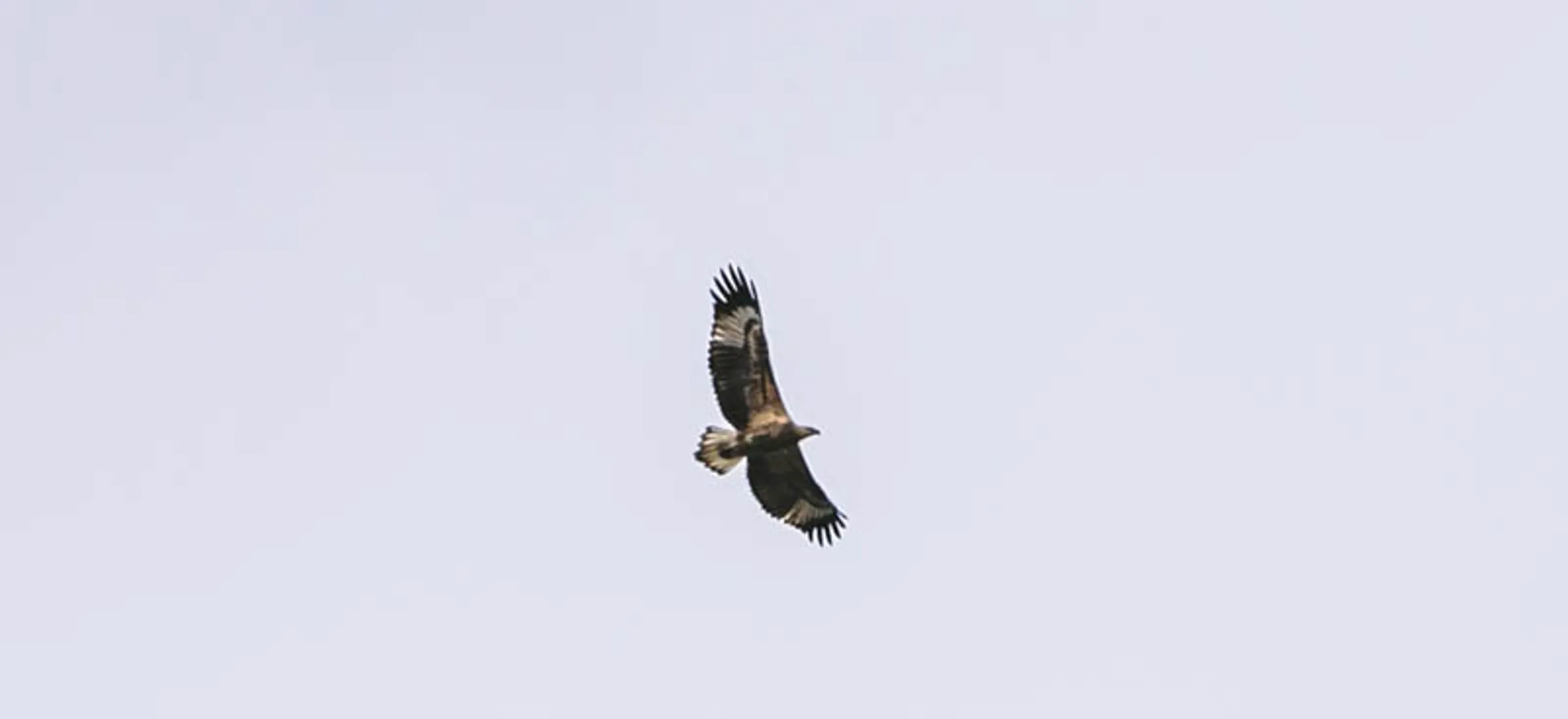
- White-bellied Sea-Eagle – Look skyward around lakes, rivers and the coast for this impressive bird of prey.
- Little Tern – One of Australia's smallest terns, these migratory shorebirds can be found around parts of the NSW coast during breeding season.
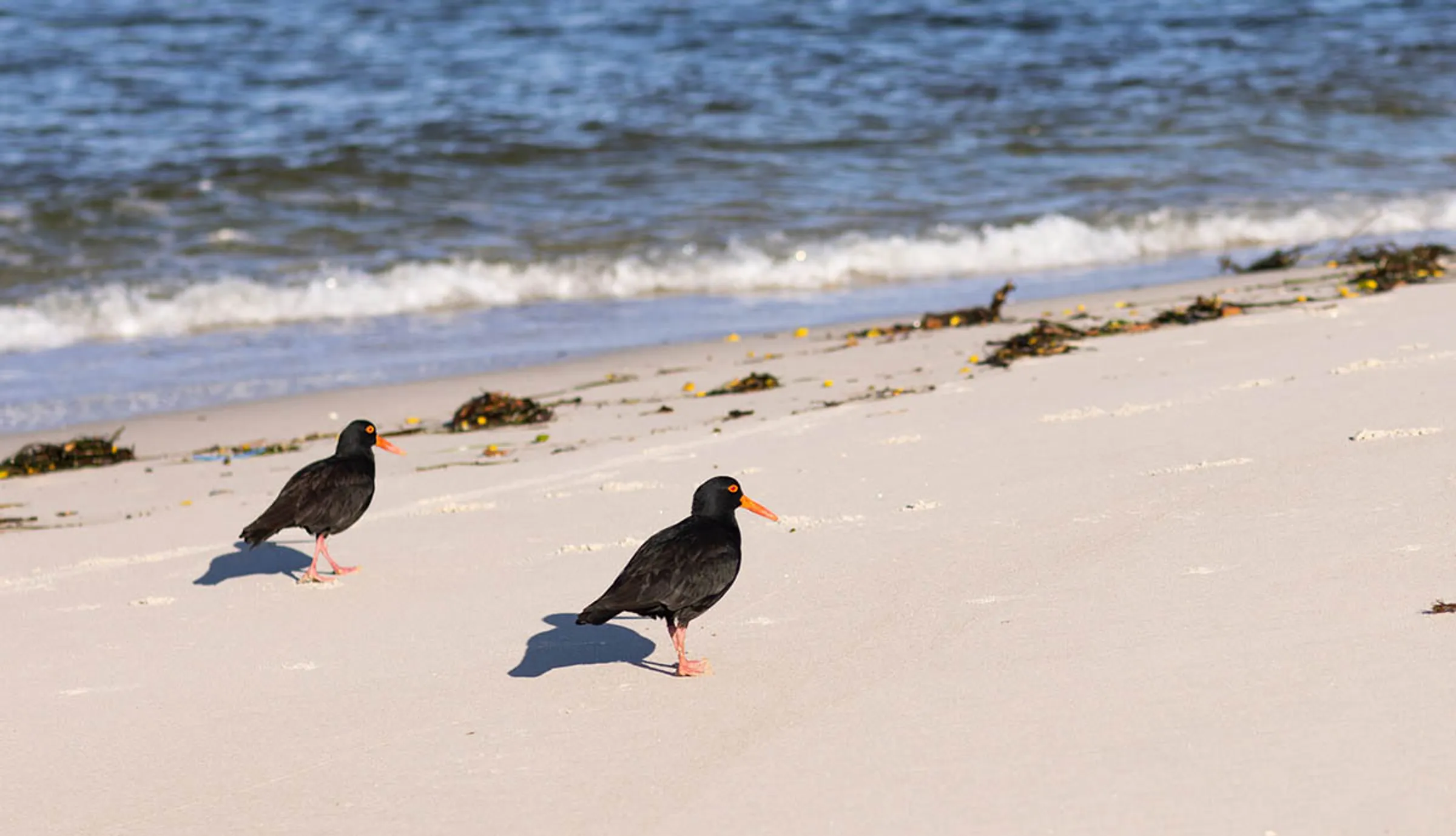
- Sooty Oystercatcher – Look along rocky shores for this all-black bird with its unmistakable bright red-orange bill.
South Coast
Forests, wetlands, rivers and a rugged coastline make the South Coast another great place to keep the binoculars handy.
- Azure Kingfisher – Look for a tiny flash of brilliant blue around creeks, rivers and wetlands.
- Gang-gang Cockatoo – Listen for its distinctive creaky call in forests and woodlands.
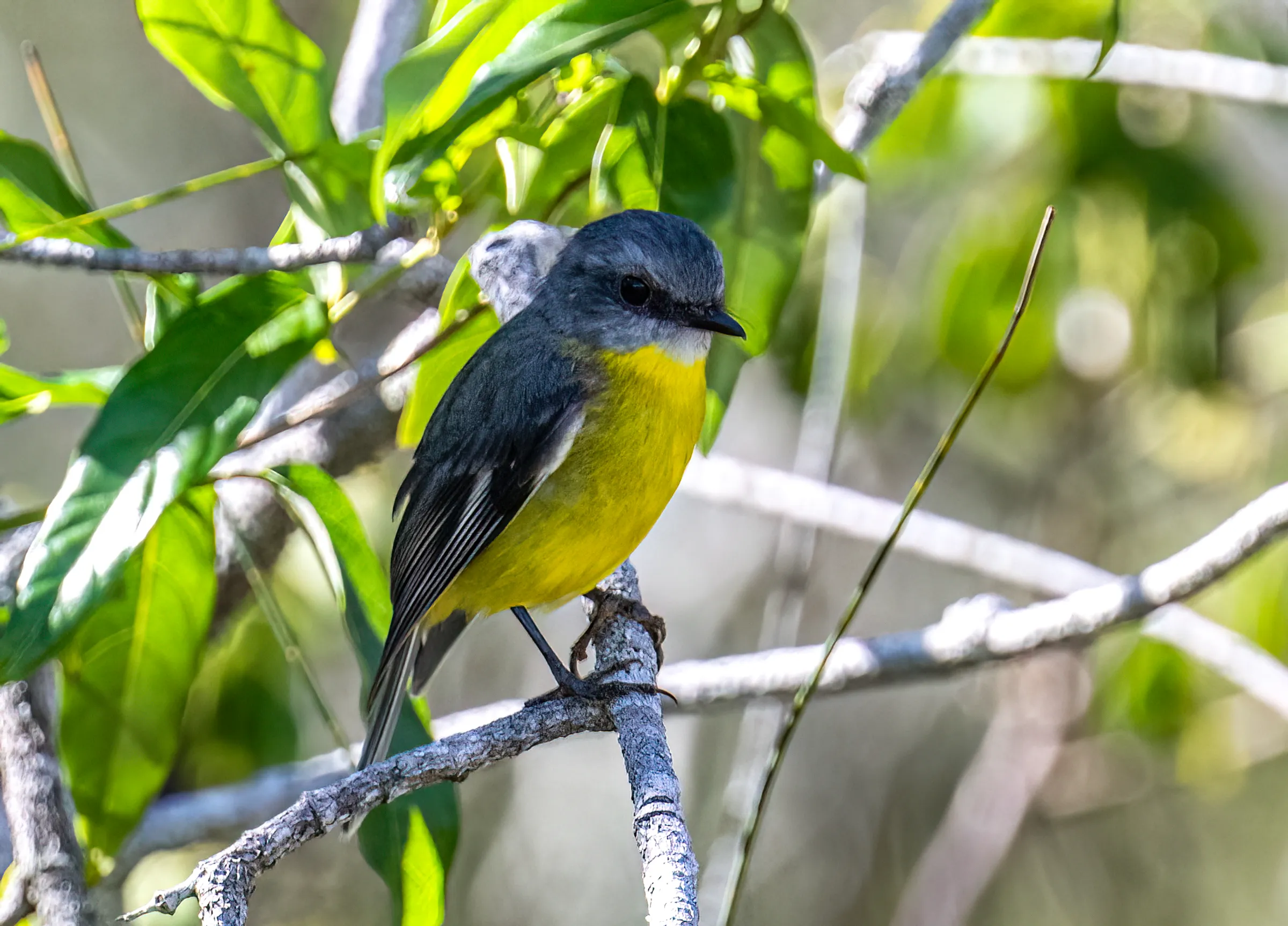
- Eastern Yellow Robin – A bright little forest bird often spotted perched on low branches and tree trunks.
Country NSW
Head inland and the scenery – and birdlife – changes again, with open woodland, lakes, wetlands and mountain forests to explore.
- Flame Robin – Look for the male's brilliant orange-red breast in open paddocks and lowland woodland during winter, when they descend from the mountains after breeding.
- Wedge-tailed Eagle – Keep looking up for Australia's largest bird of prey soaring over open country.
- Emu – Head further west and your bird list could include Australia's biggest bird of all.
NSW’s weirdest and most wonderful birds
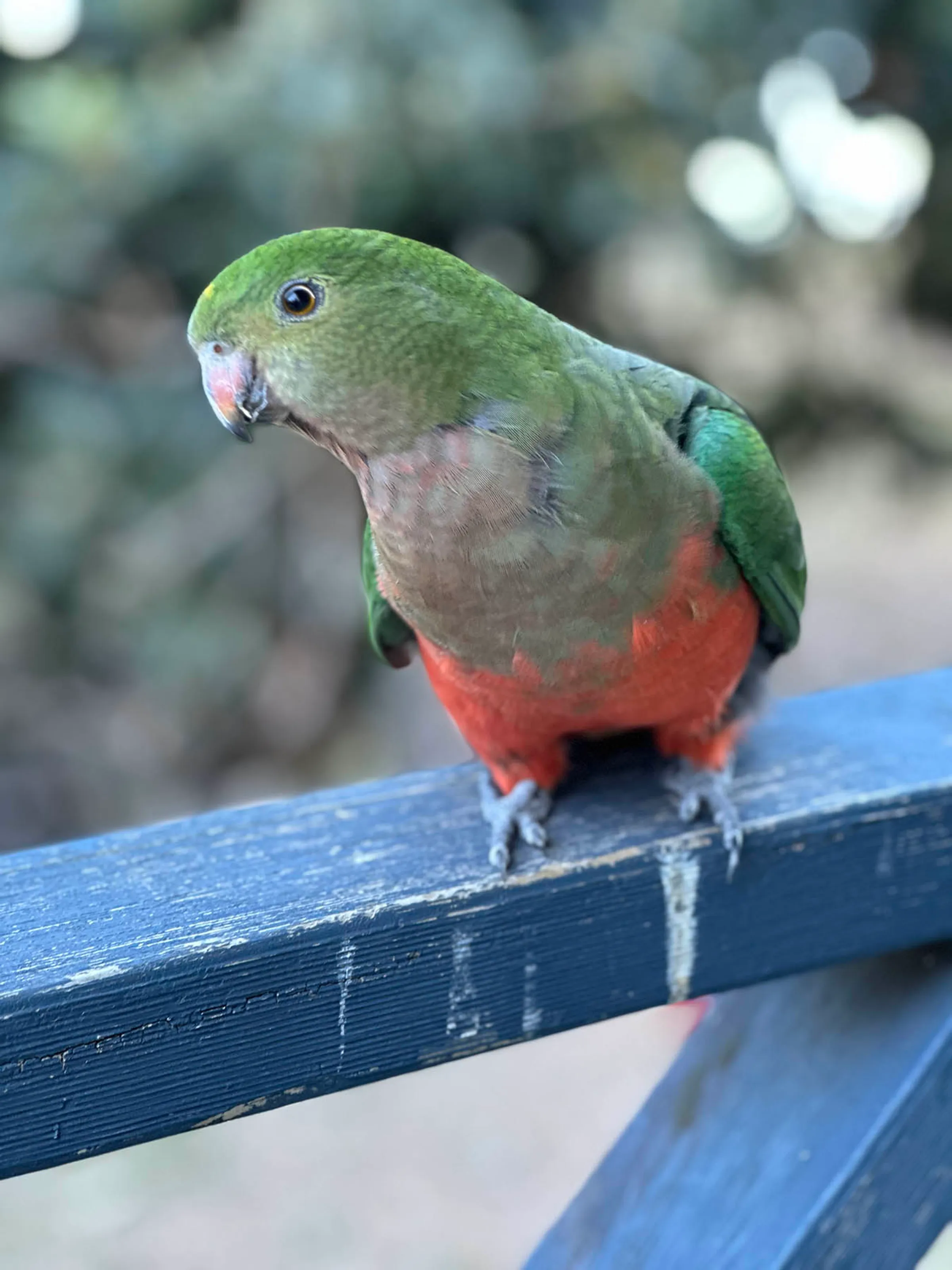
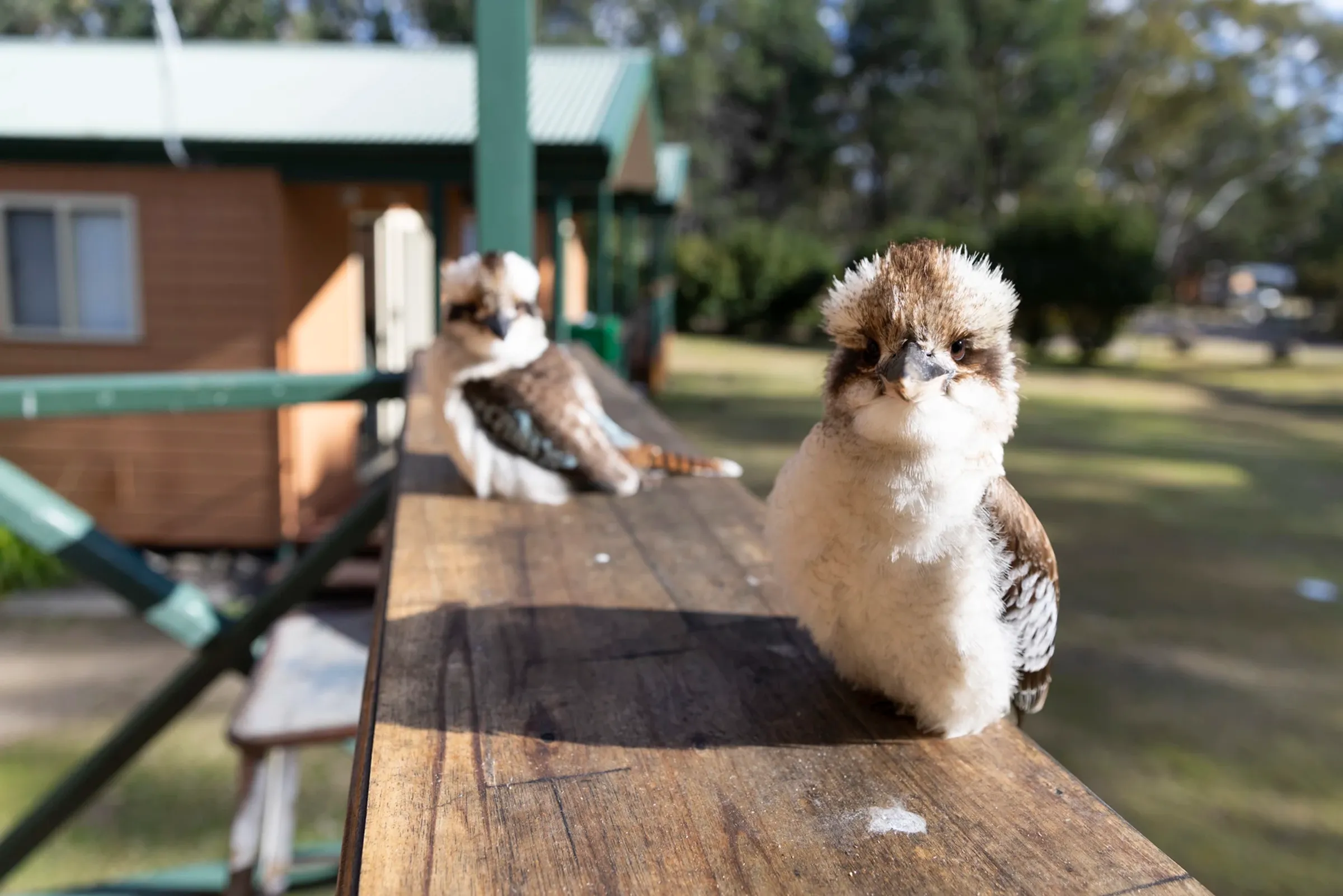
Magpies, kookaburras, cockatoos and crows might be familiar faces (and voices) around NSW, but look a little closer and there are plenty of more unusual characters to spot. From master mimics to birds with bizarre behaviours and brilliant colours, here are some of NSW’s weirdest and most wonderful birds to keep an eye out for.
- Satin bowerbird – Famous for the male’s elaborate bower, often decorated with an impressive collection of blue objects. Look in forests, woodland edges and gardens along eastern NSW.
- Tawny frogmouth – With incredible camouflage and a habit of sitting completely still, these strange-looking birds can be surprisingly difficult to spot. And despite appearances, they’re not owls. Look in woodlands, forests, parks and suburban areas across much of NSW.
- Australian brush-turkey – A true character of northern NSW, famous for scratching through gardens and building enormous nesting mounds. Look in rainforests, bushland, parks and gardens, particularly in northern and coastal NSW.
- Beach stone-curlew – A large and distinctive shorebird with long legs and a hefty bill. Look near beaches, estuaries, tidal flats and mangroves in northern NSW. They're uncommon, so give them plenty of space if you're lucky enough to see one.
- Powerful owl – Australia’s largest owl, and an impressive sight if you manage to spot one. Look in and around forests and woodlands along eastern NSW, including bushland around Sydney.
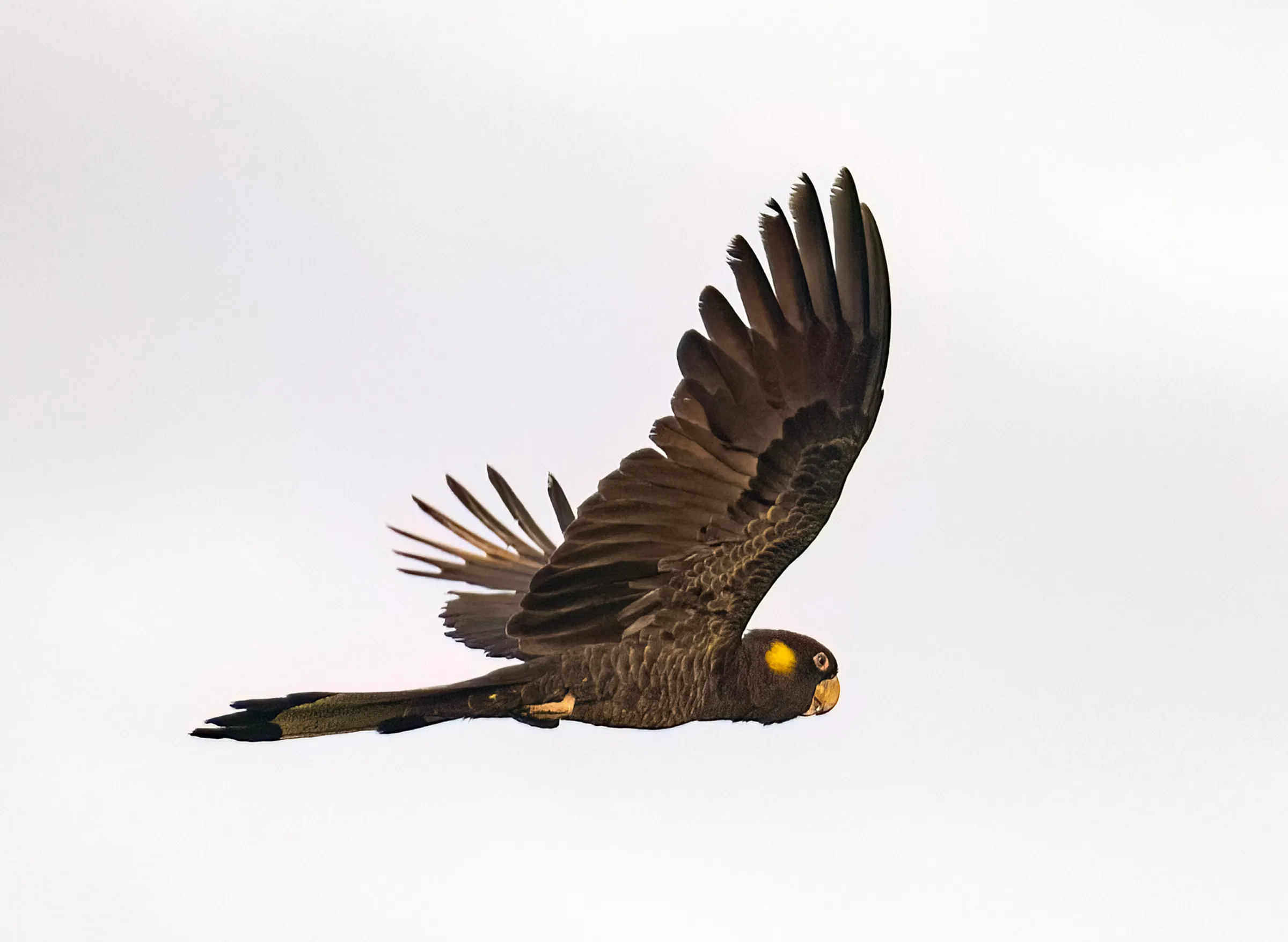
- Yellow-tailed black-cockatoo: Big, noisy and spectacular in flight, with flashes of yellow in its tail. Look in forests and woodlands along the NSW coast and ranges.
Tips for taking bird photos:
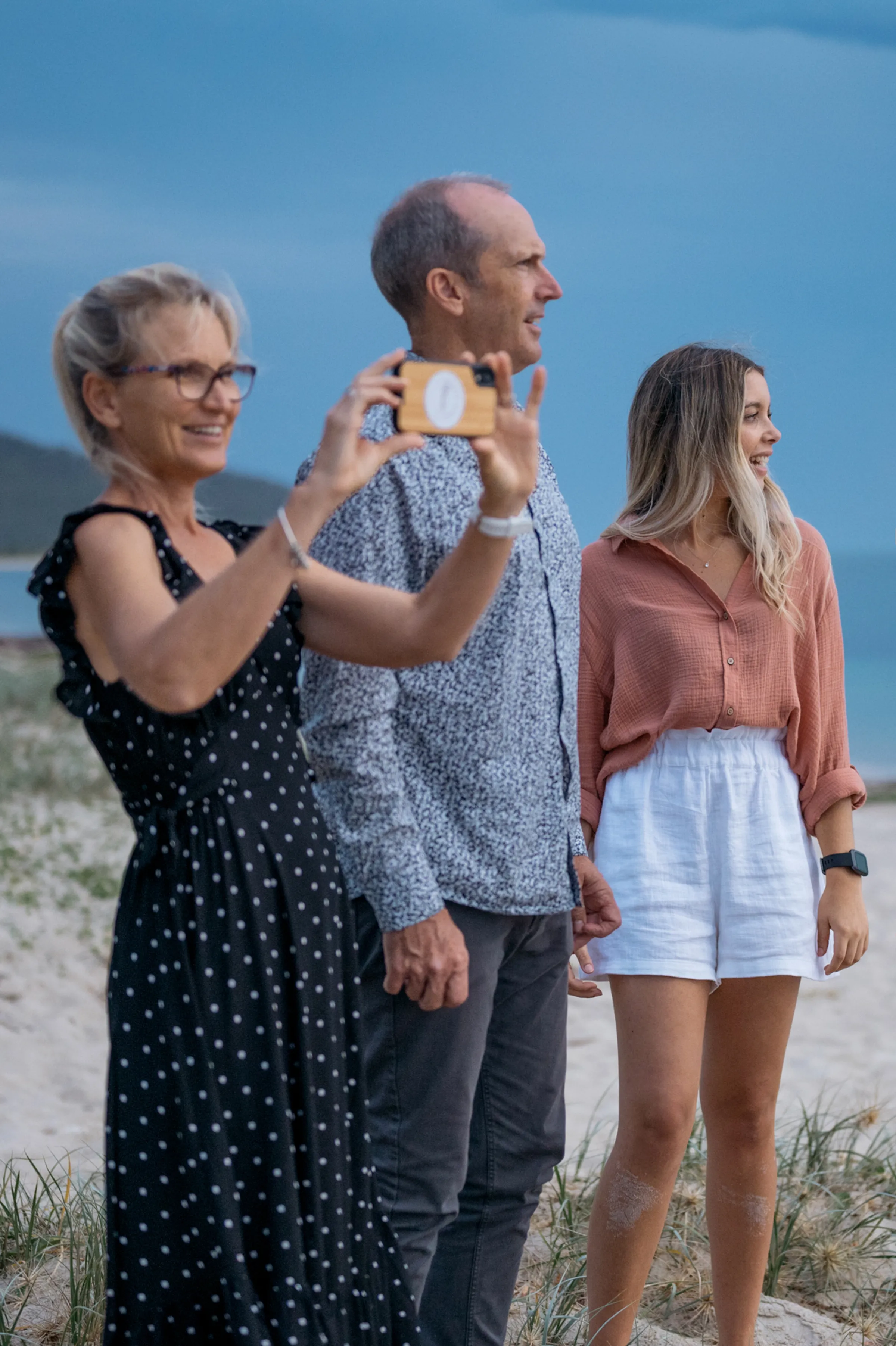
Taking bird photos on your phone
You don't need a huge camera lens to get a bird photo worth keeping. Your phone can do a surprisingly good job, especially when the bird isn't too far away.
- Get the eyes in focus – A sharp eye can make the whole photo feel sharper.
- Use natural light – If you can, photograph with the light behind you rather than shooting directly towards the sun.
- Don't rely too heavily on digital zoom – Zooming right in can quickly reduce image quality. Take the shot a little wider and crop it afterwards instead.
- Use burst mode – Birds rarely sit still for long. Take several shots in quick succession and choose the best one later.
- Get down to their level – Where it's safe and practical, changing your angle can make a big difference.
- Tap to focus – Tap the bird, particularly its head or eye, on your screen before taking the shot.
- Look for the moment – A bird taking off, splashing in water or interacting with another bird can be far more interesting than a perfectly posed shot.
Taking bird photos with a camera
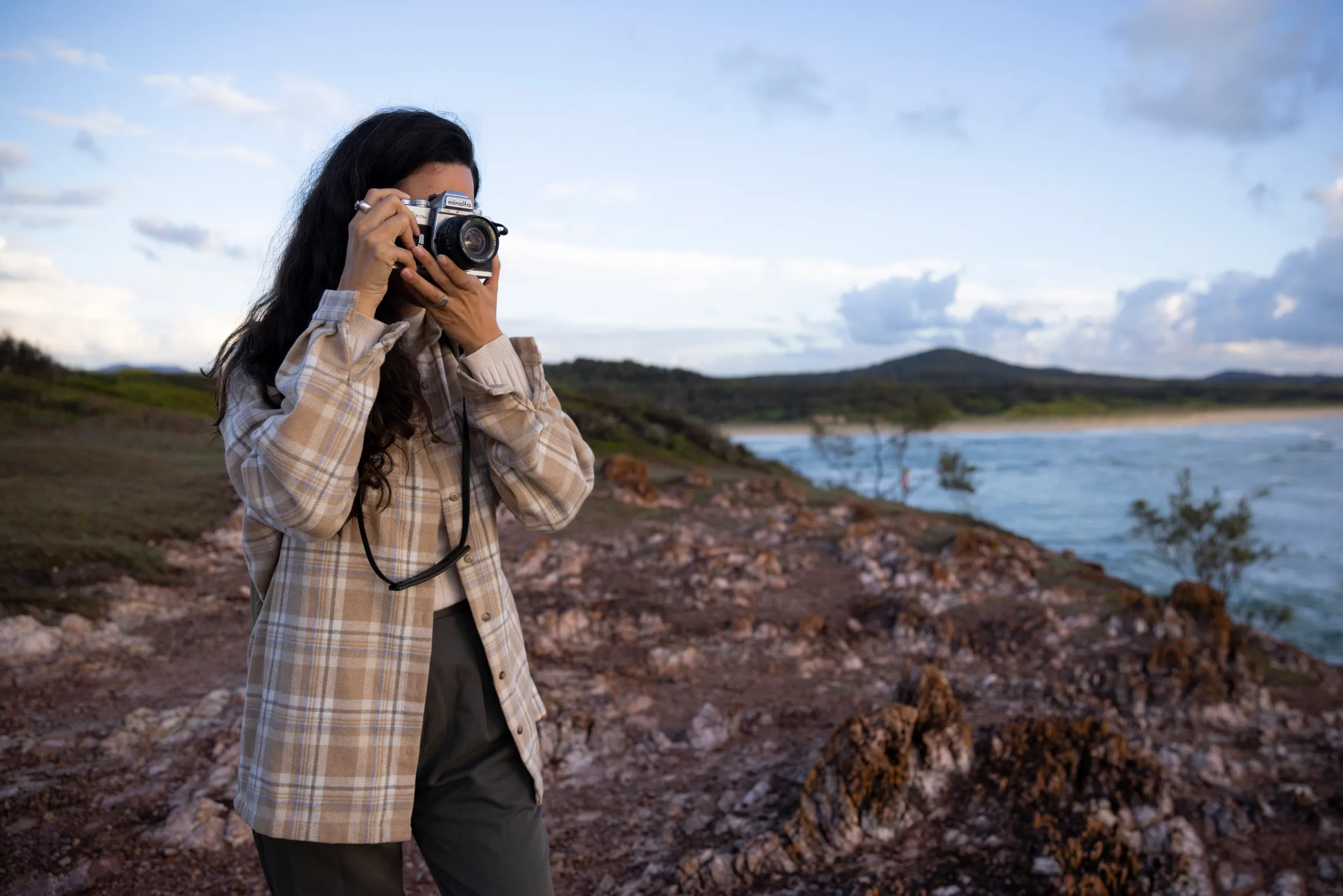
Got a camera and a longer lens? You have a little more freedom to photograph birds from a respectful distance and capture birds in motion.
- Focus on the eye – If your camera has animal or bird eye-detection autofocus, switch it on.
- Use a fast shutter speed – Birds move quickly, particularly in flight. A faster shutter speed can help freeze the action and reduce blur.
- Try continuous shooting – Use burst or continuous mode for take-offs, landings, feeding and other fast-moving behaviour.
- Use a longer lens – A telephoto lens lets you fill more of the frame without needing to get too close to the bird.
- Give the bird somewhere to go – If it's looking or flying in one direction, leave some empty space in front of it rather than putting it right against the edge of the frame.
- Watch and wait – Find a comfortable spot, keep your distance and observe. You'll often get better photographs by letting the bird come to you.
- Don't chase technical perfection – An unusual expression, funny interaction or perfectly timed moment can make a much more memorable photo than a technically flawless portrait.
Whatever you're shooting with...
keep your distance, never disturb a bird or its nest for a photo, and remember that the bird's welfare is more important than getting the shot.
Finally, wondering how to turn a reluctant birdwatcher into a bird nerd?
Not everyone is going to jump out of bed at 6am at the promise of spotting a honeyeater. The trick is to make it less about birdwatching and more about the challenge.
Turn your walk, road trip or afternoon around the holiday park into a game. Here are a few ways to get even the most reluctant birdwatcher looking up:
- Start a scavenger hunt – Who can spot five different species first?
- Find the weirdest bird – Biggest beak, strangest legs, craziest call or most questionable hairdo wins.
- Complete a bird rainbow – See if you can photograph a bird featuring every colour of the rainbow.
- Get competitive – Use an app to keep track of your sightings and see who can build the biggest list by the end of the holiday.
- Give out bonus points – A bird catching a fish, taking a bath, stealing someone’s lunch or generally behaving badly deserves extra credit.
- Try bird photography – For teenagers in particular, getting a great photo can be much more appealing than simply ticking a bird off a list.
- Go for a lifer – Once everyone knows that a lifer is a bird you've never seen before, finding one suddenly feels much more like an achievement.
And if they start pointing out birds before you do? Congratulations, you’ve created a bird nerd.
Birdwatching lingo: speak like a birder
You don’t need to know the lingo to go birdwatching, but spend enough time around keen birders and you’ll soon hear a few unfamiliar terms. Here’s your cheat sheet:
- Birder – someone who enjoys spotting and identifying birds. Basically, a birdwatcher.
- Twitcher – a birder who travels specifically to see a particular, often rare, bird that’s been reported.
- Twitch – the trip or mission to find that particular bird.
- Lifer – a species you’re seeing for the first time in your life. One to tick off the list.
- Life list – a running list of every bird species you’ve ever seen.
- Tick – adding a bird to your list after you've spotted and identified it.
- Field marks – distinctive features such as colours, markings, bill shape or tail that help you identify a bird.
- Pelagic – birds that spend much of their lives out at sea. You'll hear birders talk about "pelagic birds" or going on a "pelagic trip".
- Mobbing – when smaller birds gang up to harass a larger bird or predator and encourage it to move on.
- Murmuration – a large flock of birds flying together in coordinated patterns.
- LBJ – Little Brown Job: birder shorthand for a small, brown bird that's proving particularly tricky to identify.
- Nemesis bird – that one species everyone else seems to see, but somehow keeps eluding you.
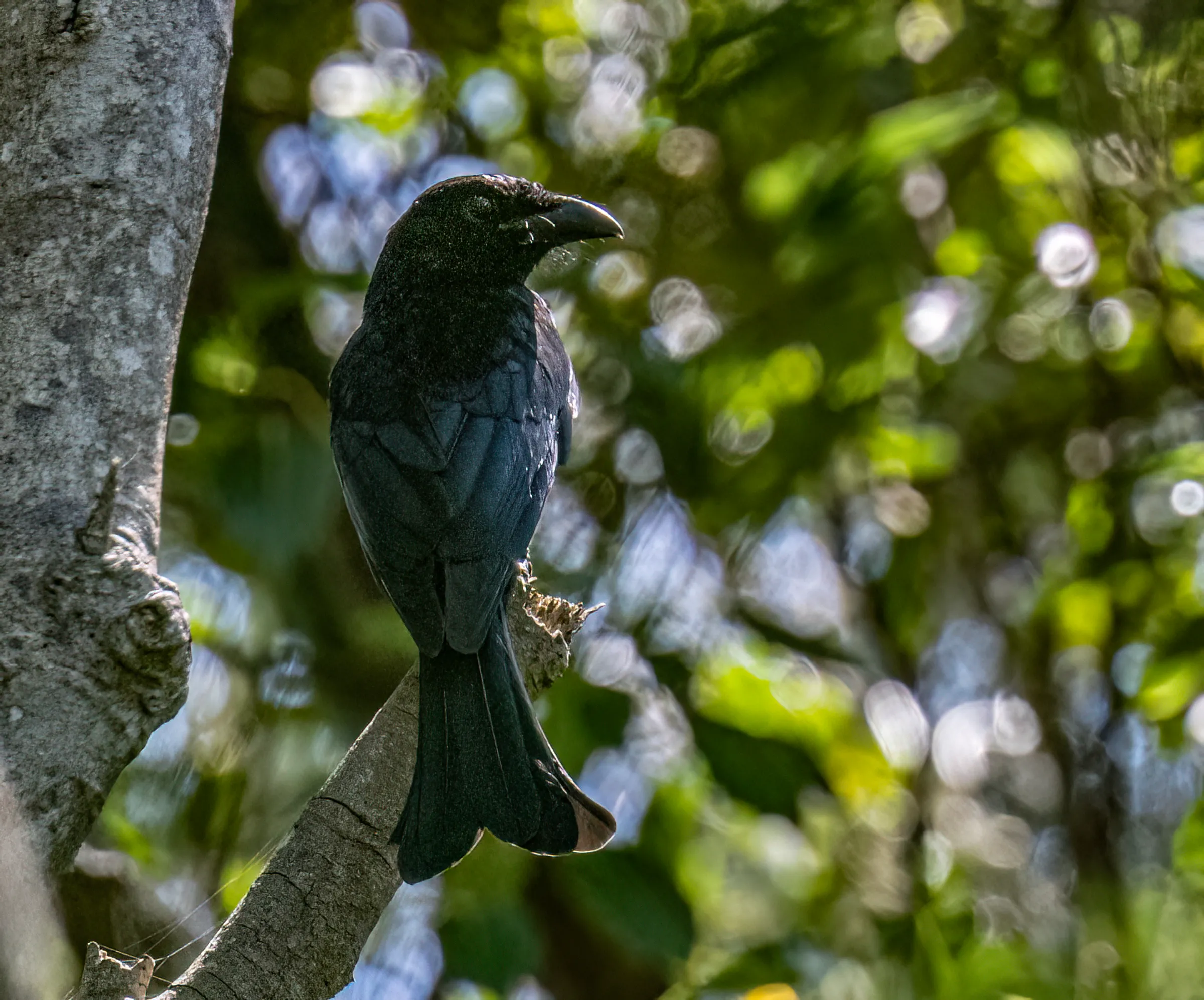
Ready to start spotting?
The best thing about birdwatching is that you can start anywhere. Look out the window, wander around the park or take your binoculars on your next bushwalk, you might be surprised by how much is happening once you start paying attention.
More wildlife inspo
Searching events...
Showing 0 of 0 articles
Frequently asked questions
Didn’t find what you were looking for? We’re here to help. Get in touch here.
Didn’t find what you were looking for? We’re here to help. Get in touch below.
How do I start birdwatching?
You don’t need much to get started. Head outside, slow down and keep your eyes and ears open. Parks, beaches, bush tracks and even your campsite can be great places to spot birds.
What do you need for birdwatching?
Technically, just your eyes and ears. A pair of binoculars can help you get a closer look, while a bird identification app or field guide makes it easier to work out what you’ve spotted.
What are the best binoculars for beginner birdwatching?
Look for binoculars that are lightweight, comfortable and easy to focus. An 8x magnification, such as 8x32 or 8x42 binoculars, is a popular starting point because it gives you a good balance between magnification and a wide field of view.
What is the best time of day for birdwatching?
Early morning is usually one of the best times to go birdwatching, when birds tend to be more active and vocal. Late afternoon can also be good, but there’s nothing stopping you from keeping an eye out throughout the day.
How do you identify birds by their calls?
Start with birds you hear regularly and learn one or two calls at a time. Apps such as Merlin Bird ID can help match sounds to species, but it’s also worth looking around to confirm which bird is actually making the call.
What do you need for birdwatching?
Technically, just your eyes and ears. A pair of binoculars can help you get a closer look, while a bird identification app or field guide makes it easier to work out what you’ve spotted.
What are the best binoculars for beginner birdwatching?
Look for binoculars that are lightweight, comfortable and easy to focus. An 8x magnification, such as 8x32 or 8x42 binoculars, is a popular starting point because it gives you a good balance between magnification and a wide field of view.
Related articles
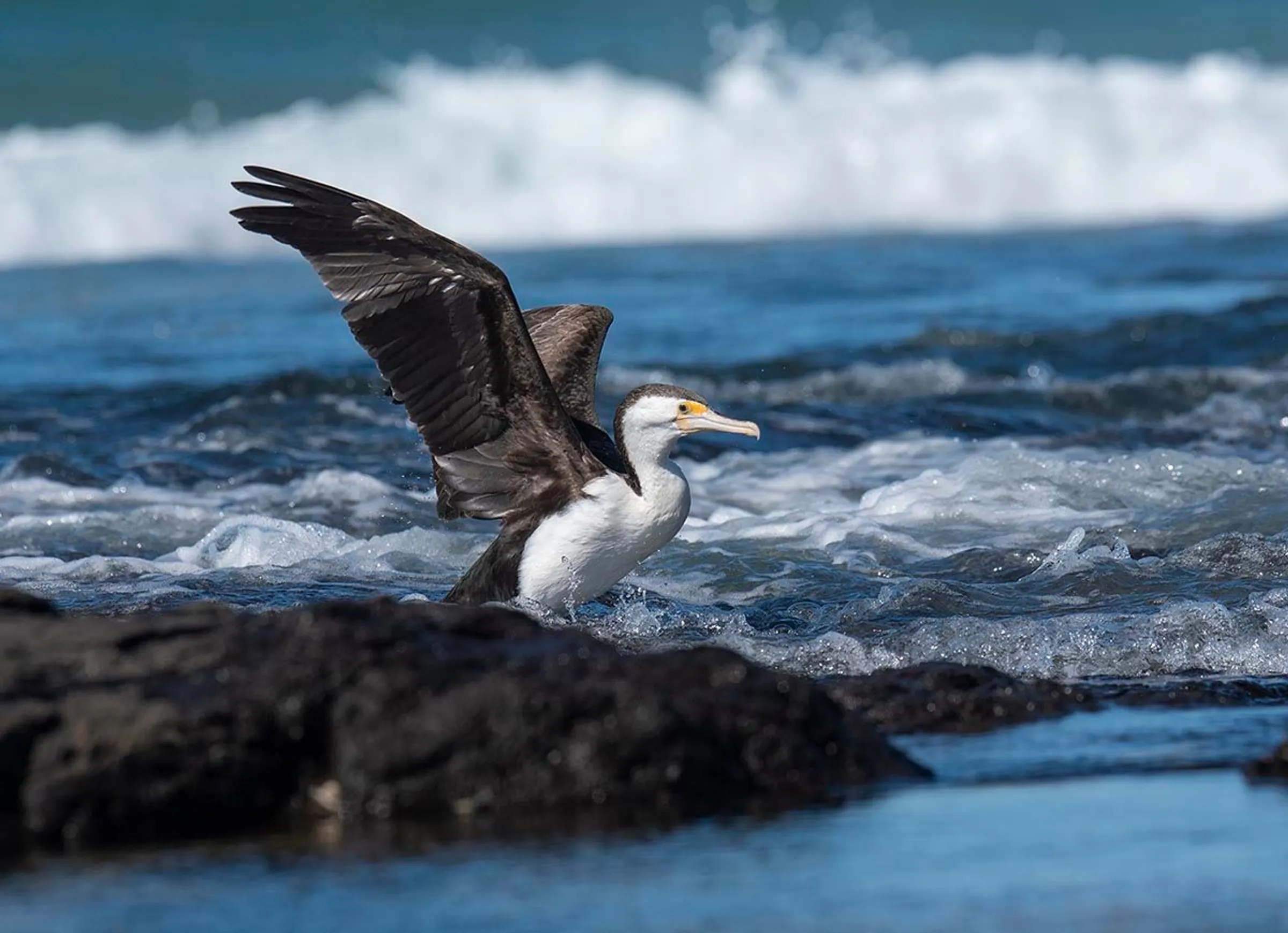
Birds of Corindi Beach: our feathered finds on the Coffs Coast
2 min read
Discover birdwatching at Corindi Beach on the Coffs Coast, NSW, and meet colourful lorikeets, cockatoos,...
Read more
Fathers Day gift ideas - for the camping Dad
2 min read
Find the best gifts for camping dads, from fishing trips and golf to camping gear, outdoor adventures...
Read more
The ultimate gift list for campers and caravanners
2 min read
Find the perfect gift for campers and caravanners with our ultimate gift guide, packed with camping...
Read more
Best dog-friendly beaches in Ballina & Lennox Head, Ballina Shire
2 min read
Discover the best dog-friendly beaches in Ballina and Lennox Head, including off-leash areas, dog-friendly...
Read more

Must-visit food and wine destinations in Country NSW
2 min read
Taste your way through Country NSW with our guide to must-visit wineries, cellar doors and food...
Read more

Best family-friendly things to do in Port Macquarie
2 min read
Plan a family holiday in Port Macquarie. Explore kid-friendly beaches, wildlife experiences, outdoor...
Read more