Weather that won’t get in the way
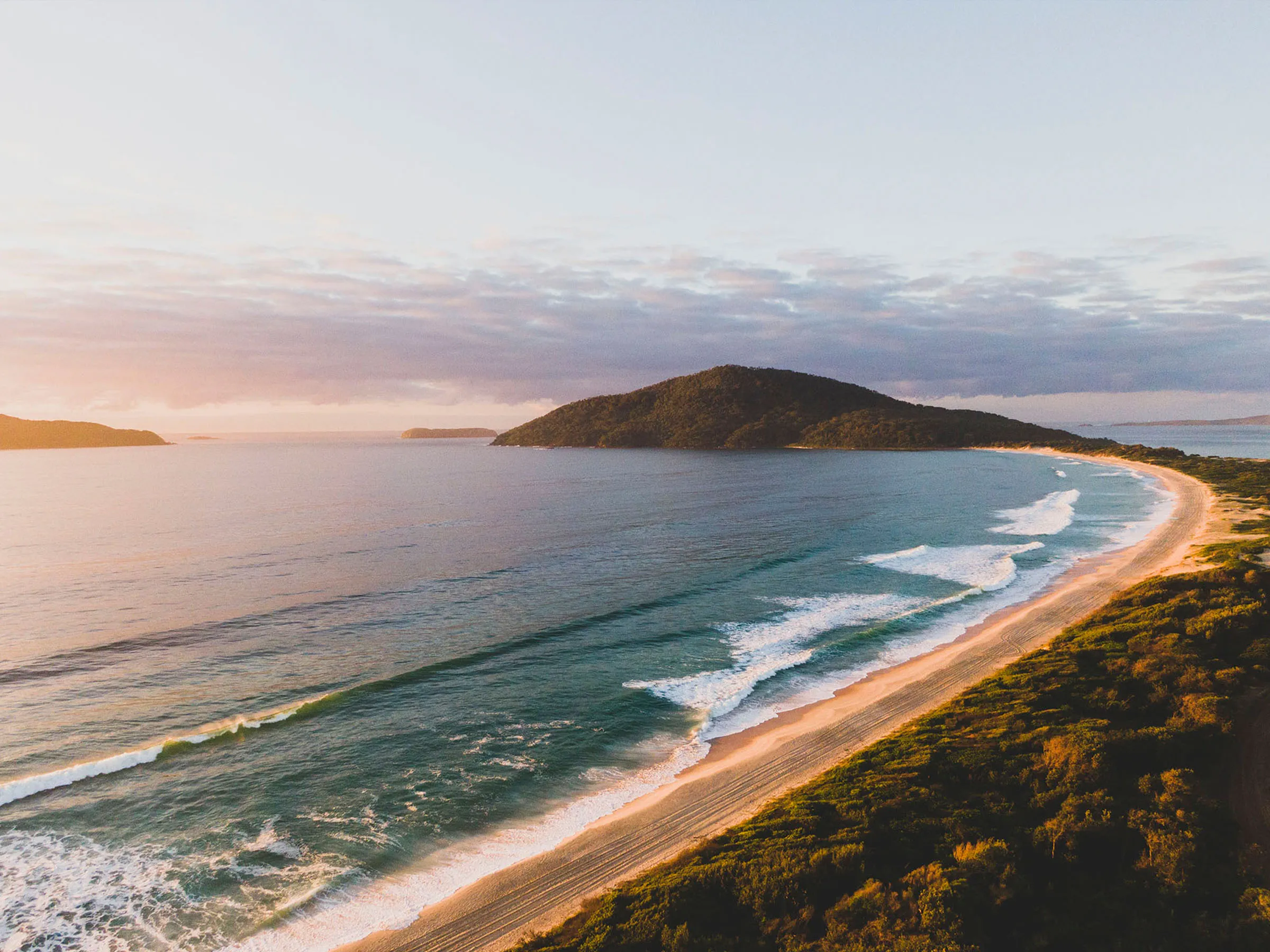
Hawks Nest, on the mid-north coast of NSW, offers great weather year-round. Unlike other Aussie states, the climate is generally milder, making spending time outdoors easy and accessible.
To help you refine your packing and to-do lists, here's everything you need to know about Hawks Nest weather, complete with seasonal highlights and what to expect from Mother Nature on the Barrington Coast while you're here.
Best time to visit Hawks Nest
The best time to visit Hawks Nest is from late September through to early April. It's warm, the days are long and sunny, and you won't have to fight the crowds for parking (in the car park or on the beach). October and November are ideal, with minimal rain and perfect mid-20s temperatures. If you do plan a trip in summer, however, January and February bring the warmest ocean water to swim in, but you might have to put up with the odd afternoon storm rolling in off the coast.
Summer in Hawks Nest (Dec–Feb)
Average high: 28℃ / Average low: 19℃
Seasonal highlights:
- Slow days on Bennetts Beach, Winda Woppa or Jimmys Beach
- Kayaking along the Myall River
- Grab fresh produce on Saturdays at MOA Providores
- Eat king prawns at Tea Gardens Boatshed
- Take the Tea Gardens Ferry across the river
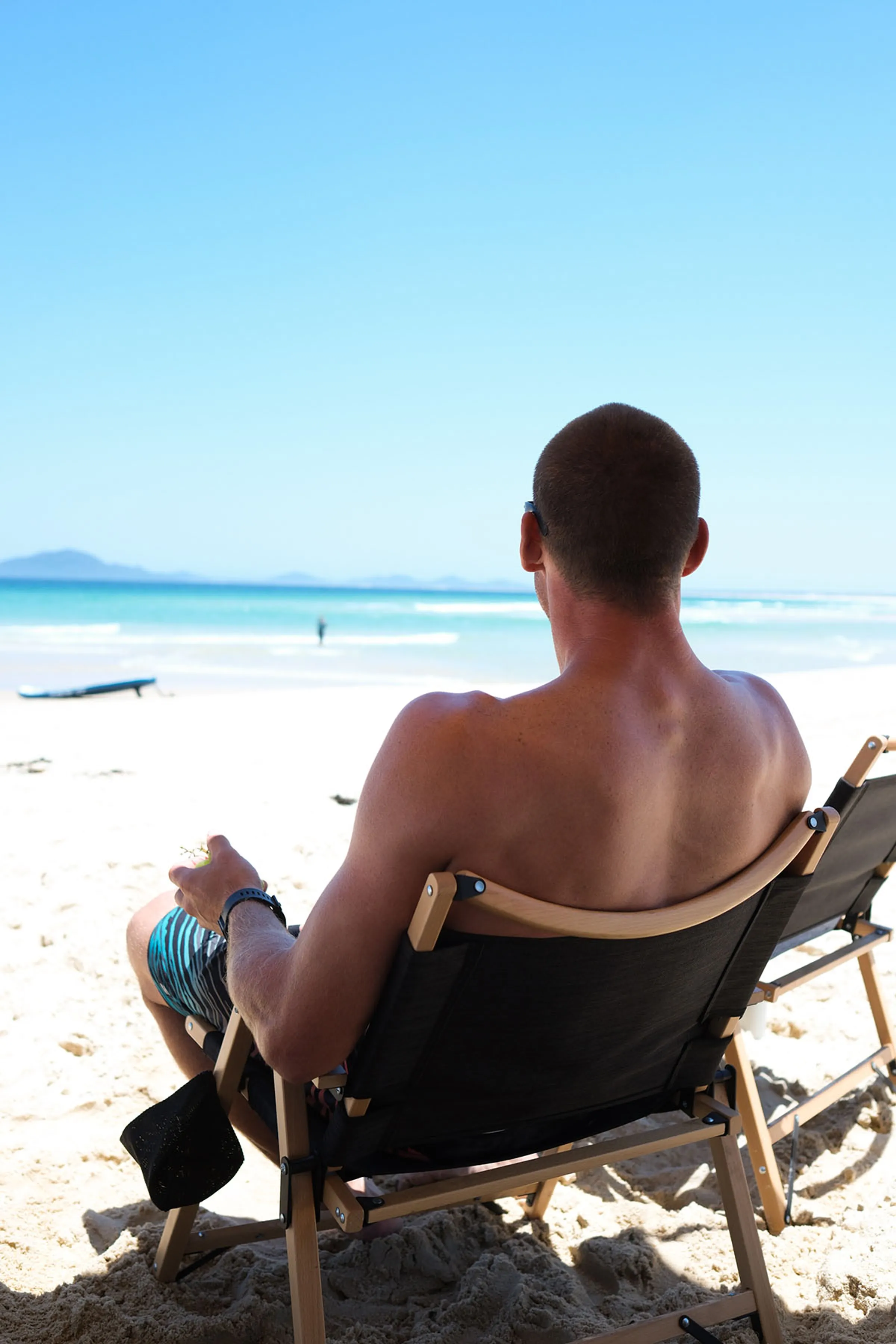
Summer weather in Hawks Nest is humid, warm and punctuated by downpours, the classic mid-north coast NSW climate pattern. December and January are hot and dry, with the occasional thunderstorm thrown in, while February is very humid, so it can feel hotter than what the mercury suggests. Summer hangs around well into March, which is also the wettest time of year, but the ocean water doesn't mind, staying around 24°C (ideal for swimming and snorkelling).
Autumn in Hawks Nest (Mar–May)
Average high: 23℃ / Average low: 16℃
Seasonal highlights:
- The free River Fest in Tea Gardens (don't miss the dog show)
- Walks and hikes in Myall Lakes National Park
- Spend the day on Tea Gardens BBQ Boats
- Grab a slice of pizza at Benchmark on Booner

Summer heat starts to ease come April, with highs dropping from the low-to-mid 20s down to around 19–20°C by May. Pack your umbrella and gumboots because the weather in Hawks Nest will likely be wet early in the season, with things drying off as winter approaches. If you fancy an ocean dip, temps start to cool, but it's still very swimmable.
Winter in Hawks Nest (Jun–Aug)
Average high: 17℃ / Average low: 12℃
Seasonal highlights:
- Nest Fest, aka Christmas in July
- Run the Lakes Trail Festival
- Enjoy local art at Galleries in the Gardens
- See the WWII gun emplacements
- Sip on a hot latte at Kelly's Famous Bakehouse, or grab some local goodies to cook up a storm at your accommodation

Winter brings sunny, clear and crisp days to Hawks Nest, much milder than the southern states. July is the chilliest month, averaging around 13°C, with overnight lows definitely requiring a warm jacket if you're out and about. Rainfall really eases off throughout the season, but you can expect showers in June that disappear the closer it gets to spring.
Spring in Hawks Nest (Sep–Nov)
Average high: 19℃ / Average low: 15℃
Seasonal highlights:
- Compete in the Hawks Nest Triathlon
- Walk or cycle across the Singing Bridge
- 9 holes at the Hawks Nest Golf Club
- Tackle the Yacaaba Headland Walking Track
- A long lunch at Mumm's on the Myall
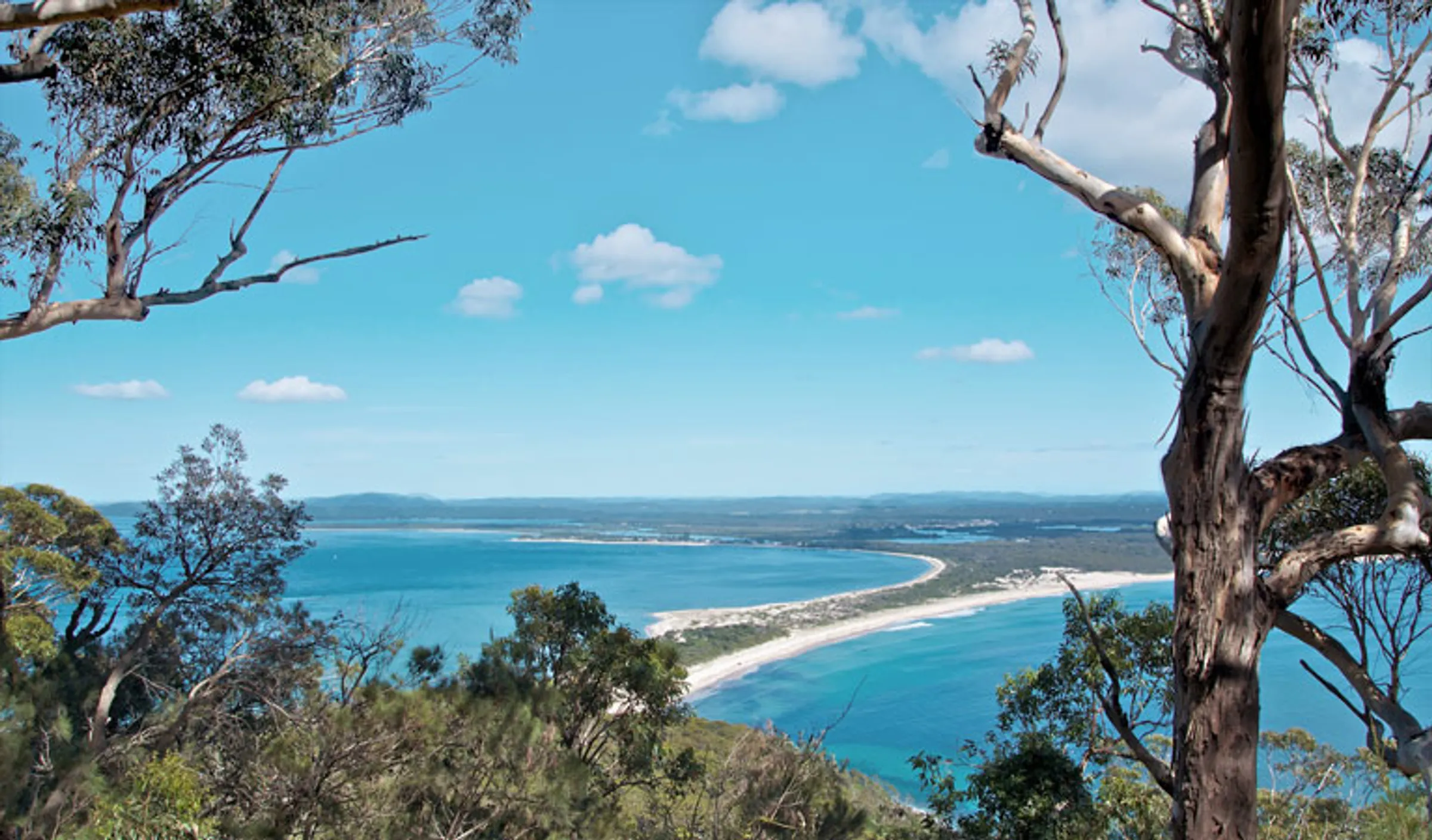
The weather at Hawks Nest in spring is reliable and warm after the chill of winter wears off. September is dry and as the season progresses, days and nights warm up, along with ocean temperatures. Spring is a wonderful time to visit Hawks Nest – generous sunshine hours, averages around 22°C, and fewer crowds than the incoming summer months.
Itinerary Ideas in Hawks Nest
To spark your curiosity, check out our 3-day itinerary guide. Inside, you'll find a solid plan you can follow for a long weekend, or use it as inspiration to plan an extended stay in Hawks Nest. We cover what to do, where to eat and how to make the most of your time on the stunning Barrington Coast.
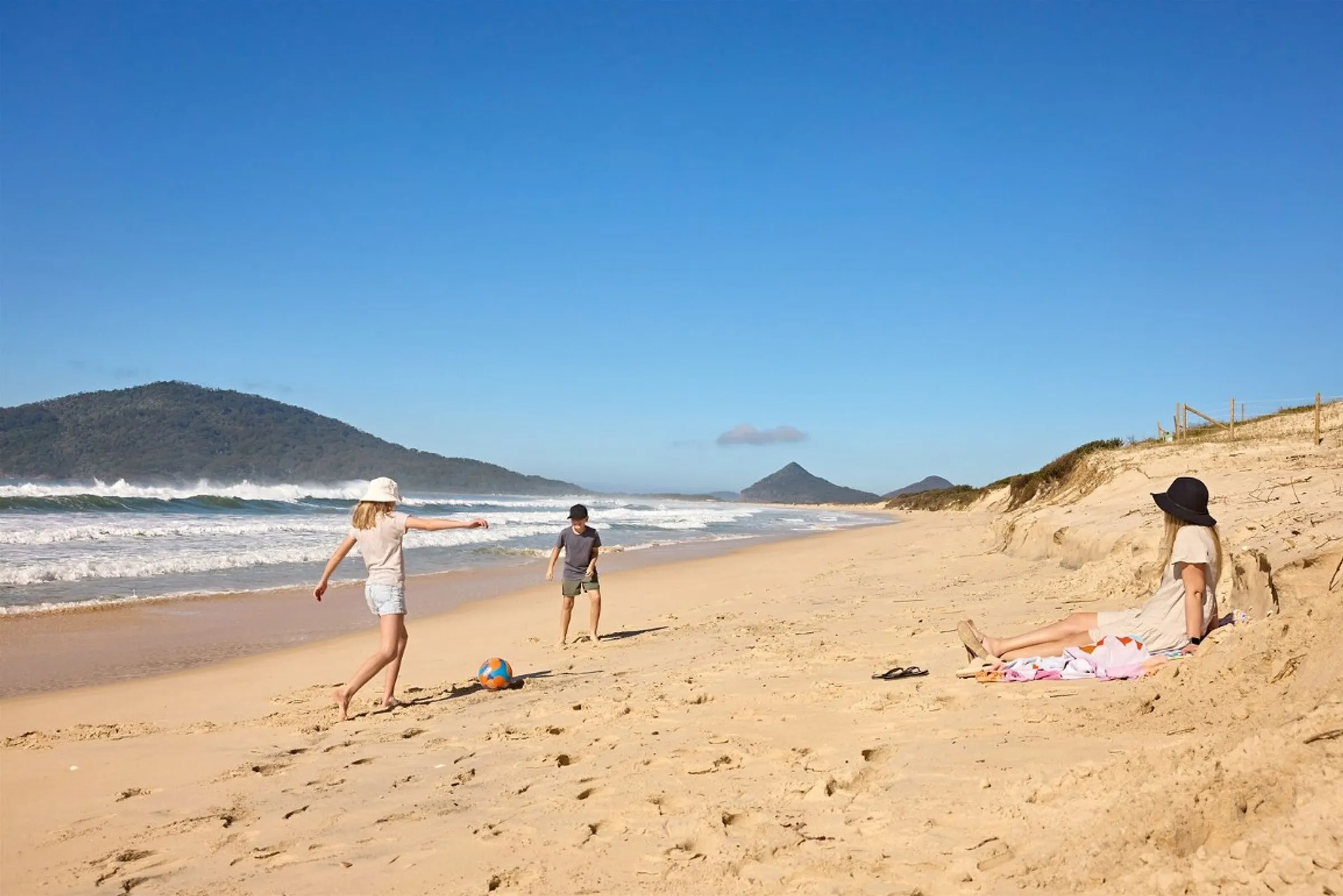
Things to do in Hawks Nest
Nature lover? Culturista? Foodie? There are things to do in Hawks Nest to satisfy all of your cravings. From cute cafes and delicious restaurants, to historical sites and bushland hikes, there's so much to explore once you're here.

Plan your next family adventure in Hawks Nest with walking trails for all ages, including track difficulty and tips.
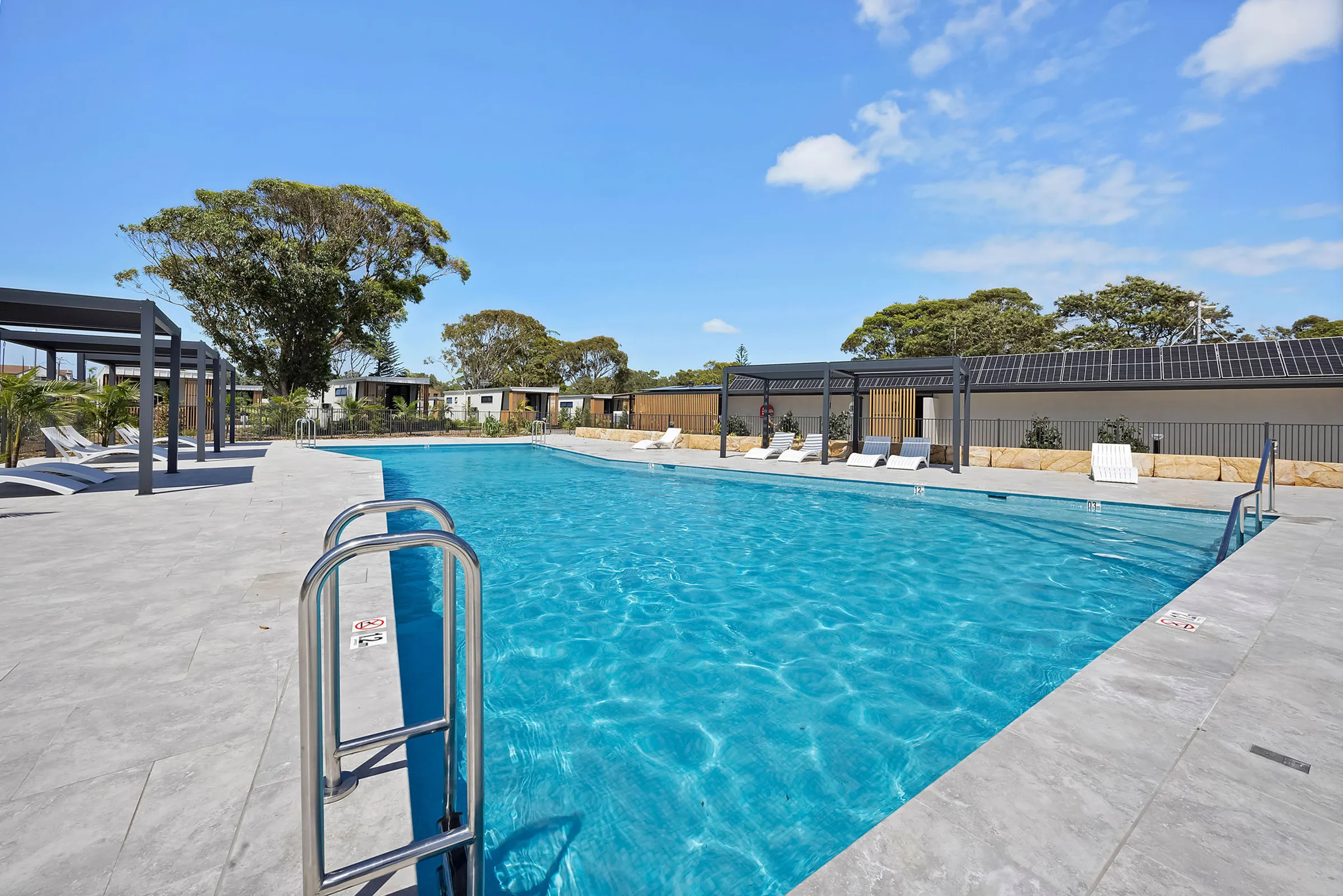
You may have heard (if you haven’t – where have you been?) that Reflections Hawks Nest has the recent addition of a phenomenal, huge, heated year-round swimming pool! To celebrate the pool, and how usable it is in winter, we partnered with HUNTERHunter to send Reflections staff member, Sweeby and her kids, Lily and Thomas, up to Reflections Hawks Nest, to experience the pool, luxe new villas and everything that this epic location has to offer first-hand and give us the low down…
Recently, one of our team embarked on her first family holiday , with dog in tow - here is what went down...
Frequently asked questions
Didn’t find what you were looking for? We’re here to help. Get in touch here.
Is Bennetts Beach, Hawks Nest, good for kids in summer or is the surf too rough?
It depends on which beach you choose. Jimmy's Beach is sheltered from the ocean and protected from summer north-east winds, making it ideal for kids – plus there's very little surf and the water is calm and clear. Bennett's Beach, by contrast, is the main surf beach with wave action suitable for board riders and body surfers.
Does Hawks Nest get a lot of rain in summer?
Yes, more than you might expect! The weather in Hawks Nest in March sees quite a lot of rain, and the tail end of summer into early autumn is the wettest stretch of the year. That said, summer rain often arrives as afternoon storms rather than all-day grey, with mornings tending to be clear. The drier, sunnier stretch runs from late August through to October.
Is it worth visiting Hawks Nest in winter?
Absolutely! Especially if you want the place to yourself. The weather at Hawks Nest can feel warmer than Sydney, making it a good winter escape. The mild, sunny days are great for bush walks, birdwatching, and exploring Myall Lakes National Park. September is the driest month of the year, so late winter into early spring is reliably fine weather – and as a bonus, accommodation can be cheaper, and the beaches are virtually empty.
Is autumn a good time to visit for the weather?
Autumn is the second busiest season in Hawks Nest, and for good reason. Temps ease into the low-to-mid 20s, the humidity drops compared to February, and the ocean is still warm from summer. Early autumn (March/April) is the rainiest part of the year, so if you're planning an autumn adventure, aim for late April or May – drier, quieter, and still genuinely pleasant.
Ways to stay in Hawks Nest
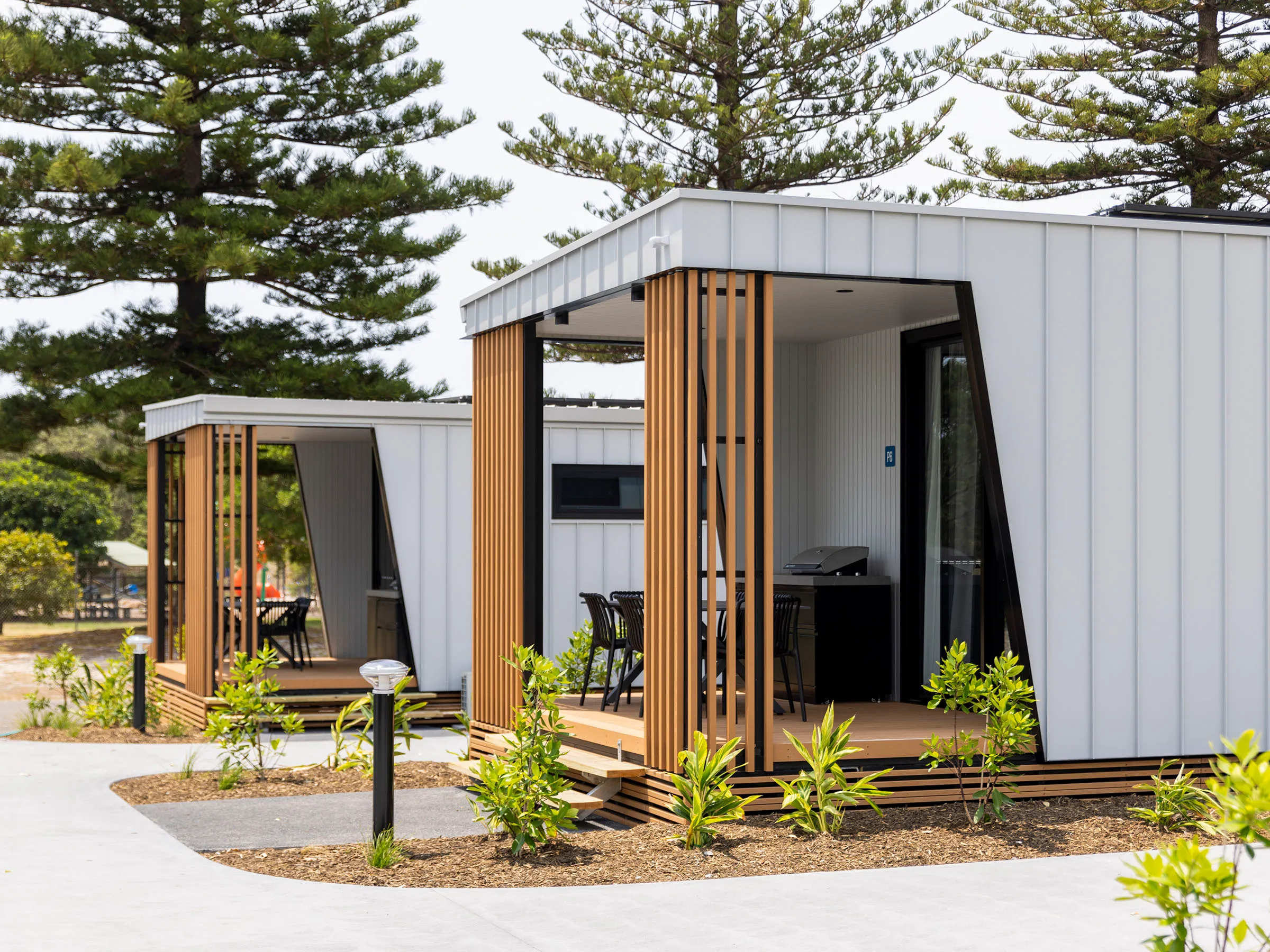
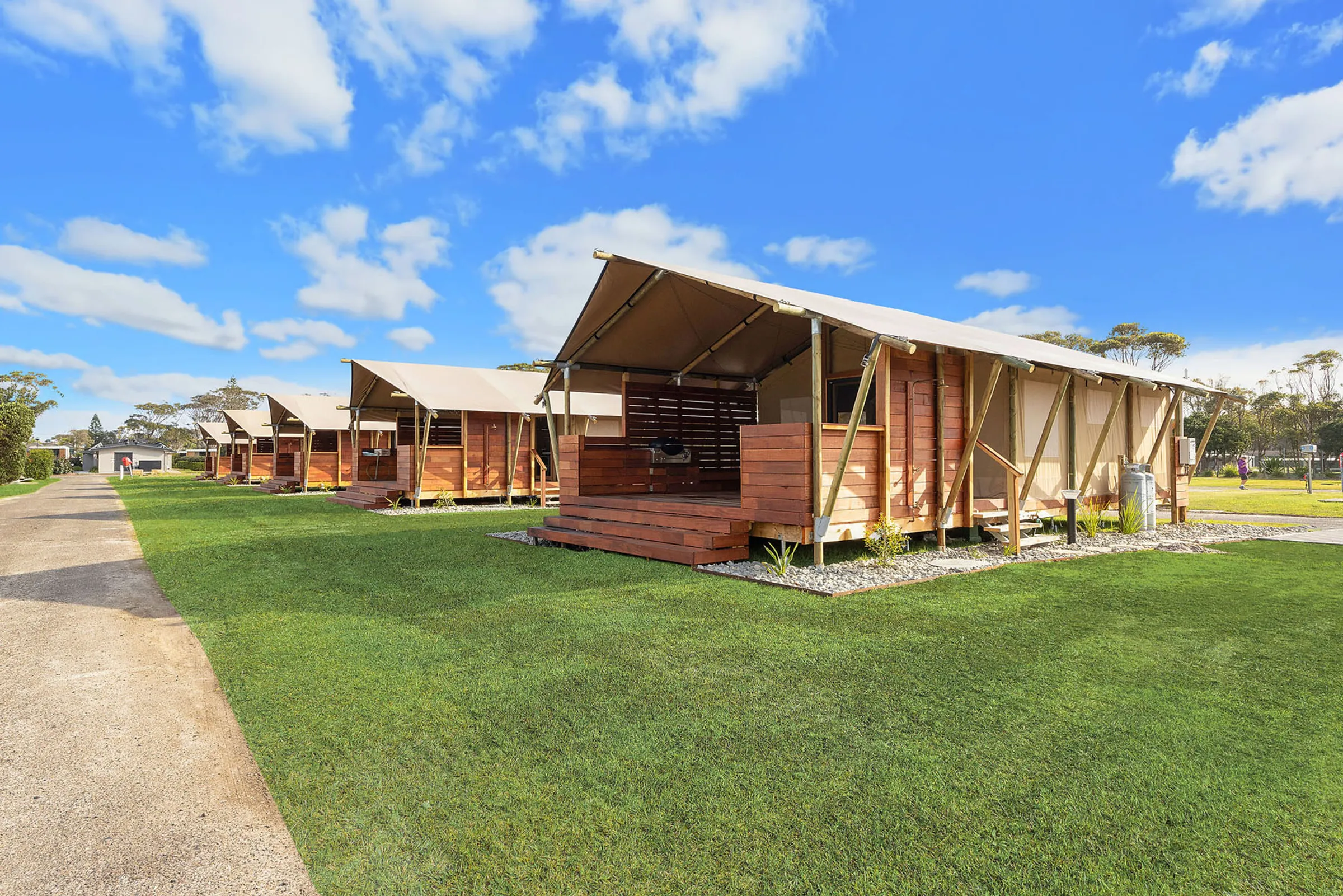
There's a camping spot, cabin or glamping tent with your name on it at Reflections Hawks Nest. Located right behind Bennetts Beach, our holiday park has the amenities and atmosphere to make your next getaway a memorable one, no matter what Hawks Nest weather throws at you. And if you can't find the accommodation you're looking for, Reflections Jimmys Beach is a short drive away.