Getting around Scotts Head
Plan your trip to Scotts Head
Scotts Head is one of those rare coastal spots that feels like a true escape. Think rolling headlands, uncrowded beaches, and a laid-back village vibe that makes it easy to slow right down, but first, you’ll need to plan your route.
The good news? Getting to Scotts Head is all part of the adventure. Whether you’re hitting the road for a scenic drive along the Pacific Highway, travelling by coach or train to nearby towns, or flying into Coffs Harbour or Port Macquarie and driving the rest of the way, there’s an option to suit your style.
How to get there
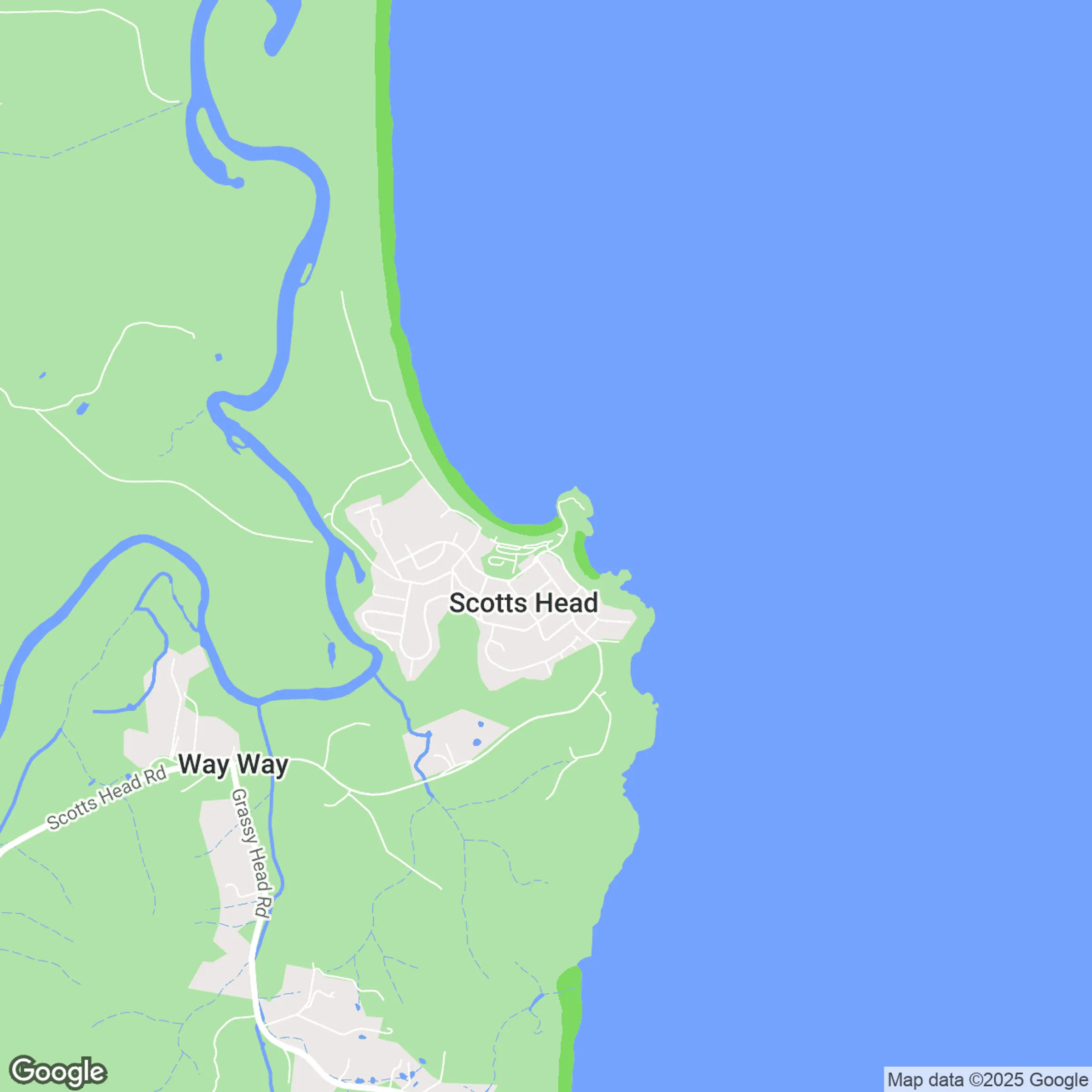
Getting to Scotts Head is easiest by car, just 11 km off the Pacific Highway, roughly halfway between Sydney and Brisbane. Or if you're flying in, Coffs Harbour Airport is the closest option, and you can hire a car in the terminal. But if you're travelling without a car, NSW TrainLink can take you to nearby Macksville, where you can catch a local bus into the village, though services are limited, so be sure to plan. Once you arrive, a car is almost redundant: most of what you need and will want to see is easily explored on foot.
Modes of transport
Here's key transport options for car, bus, plane, train, bike and by foot. Whatever your preferred transport method, you'll find options to reach Scotts Head and explore the area.
By Car
Driving is the easiest way to reach Scotts Head. It's around 485 km north of Sydney, and 70 km south of Coffs Harbour. It's a great stop on an east coast road trip via the Pacific Highway – take the Scotts Head Road exit near Warrell Creek for an 11 km scenic warm-up for the coast on your way into the village.
If you're a NSW local, here's how to get to Scotts Head from popular destinations (times and distances are approximate):
- Grassy Head: 9 minutes / 8 km
- Nambucca Heads: 27 minutes / 31 km
- Urunga: 34 minutes / 43 km
- South West Rocks: 40 minutes / 48 km
- Bellingen: 45 minutes / 60 km
- Hat Head: 51 minutes / 60 km
- Coffs Harbour: 53 minutes / 70 km
- Crescent Head: 1 hr / 70 km
- Yamba: 2 hr 23 minutes / 205 km
- Armidale: 2 hr 51 minutes / 215 km
- Byron Bay: 3 hr 17 minutes / 305 km
- Newcastle: 3hr 50 minutes / 332 km
- Brisbane: 5 hr 8 minutes / 454 km
- Sunshine Coast: 6 hr 24 minutes / 560 km.
By Bus
Getting to Scotts Head by bus is possible, but you'll need to take a train or coach to Macksville, then hop on the local Line 356 bus, which brings you into the village. If you're coming from further south, like Sydney, you can catch a Transport NSW T31 train from Central Station heading towards Brisbane and switch to a local bus at either Urunga or Macksville.
By Plane
There's no airport in Scotts Head, but if you're coming from a major east coast city – Sydney, Brisbane or Melbourne – you can fly into the nearest airport, which is Coffs Harbour (CFS), about 49 km away, with Port Macquarie (PQQ) another option at roughly 78 km. Once you land, you'll want to hire a car or book a shuttle because there's no direct public transport to Scotts Head.
By Train
If you're looking for how to get to Scotts Head by train, NSW TrainLink's North Coast XPT service stops at Macksville, which is the closest train station. From there, catch the Line 356 bus into the village, which is a handy combo if you're here without a car and don't mind a relaxed pace. Train travel along this stretch of the Coffs Coast is ridiculously scenic, so sit back and enjoy the views while someone else does the driving!
By Bike
For those who are keen touring cyclists, you'll be happy to know that Scotts Head is part of the NSW Coast Cycle Trail corridor via the Pacific Highway route. While the highway itself is busy and there's not a lot of cycle infrastructure, it's a beautiful ride for confident road cyclists or those travelling with a car in tow.
By Foot
It's not safe or easy to walk into Scotts Head from neighbouring towns, but once you're in the village you'll be set! You can walk from cafes to the beach, up to the headland and even into Gaagal Wanggaan (South Beach) National Park. That's what visitors love about this place – once you're here, you can really settle in and explore at your leisure.
Top things to do in Scotts Head

At the southern end of the Nambucca Valley, Scotts Head is an idyllic place for families to visit. The sands of Main Beach stretch for miles to the north making it the perfect place to enjoy a solitary walk, build a sandcastle, paddle in clear water or run across sand so clean it squeaks beneath your feet. While the gentle waves are perfect for young children, a variety of surf breaks make it a popular spot for all surfers. This beach is patrolled daily during summer holidays and at weekends from October to Easter.
A very well equipped recreation and camping reserve adjoins this beach - facilities are top quality. Featuring free gas barbecues, modern amenities blocks, plenty of fresh water, and picnic tables - some of these are undercover so that you can picnic even on rainy days.
Don't miss the wonderful mosaic art Whale Table picnic table at the foot of the steps to the lookout by the Surf Club.
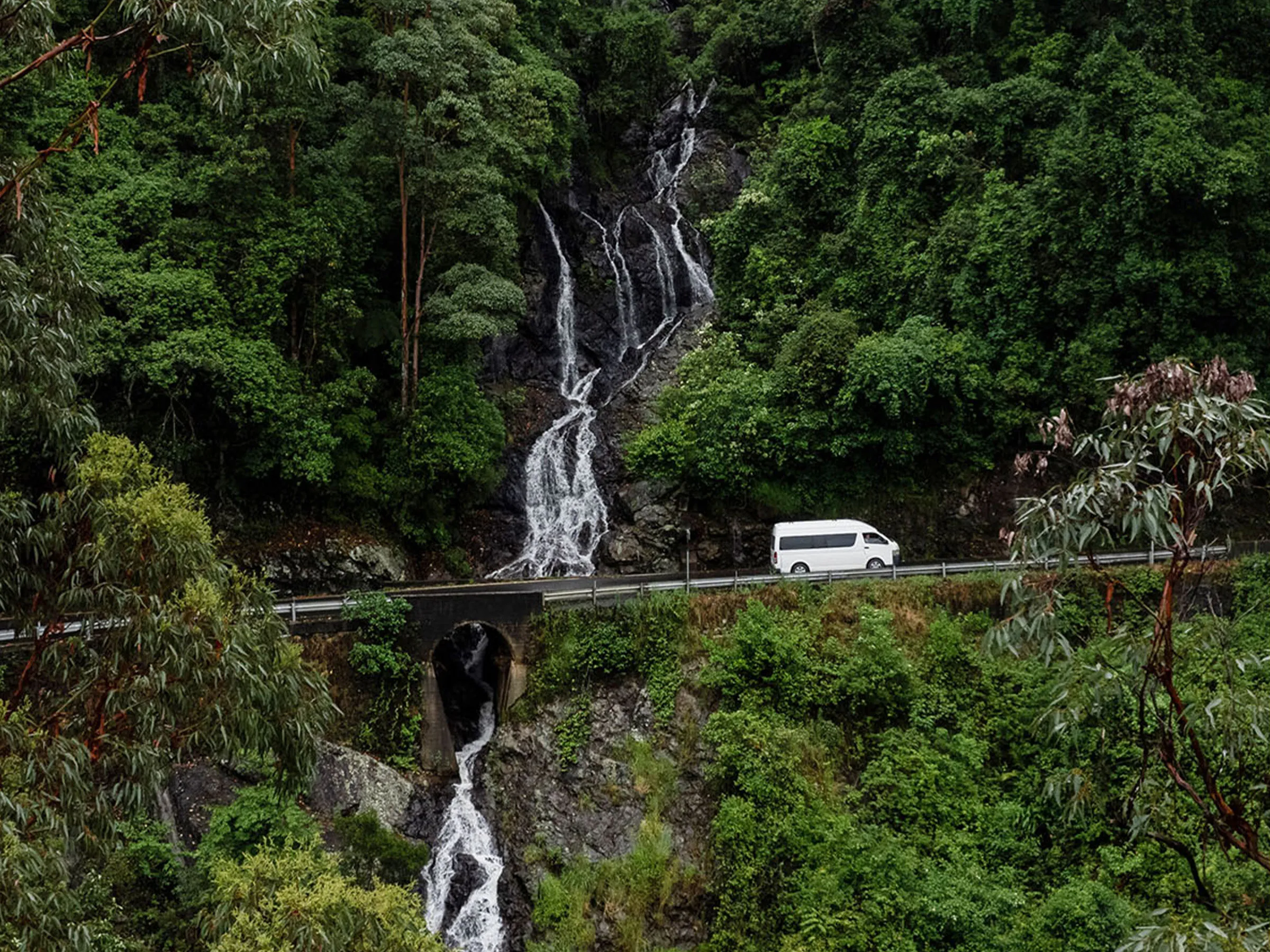
If you love nature, fresh air, and the sounds of moving water, the Coffs Coast is a no-brainer. This lush corner of NSW is home to some seriously stunning waterfalls, from easy roadside lookouts to some hidden gems worth the hike. So grab your walking shoes, pack a picnic, and hit the road.

Retrace history along an easy walking 1.2-kilometre return track, Bridle trail, near Trial Bay Gaol in Arakoon National Park, five kilometres east of South West Rocks. In days gone by, horses would haul the massive steam crane used in the granite quarry during the construction of the ill-fated breakwater.
You won’t see any exhausted horses along this trail today. Accessed from Little Bay picnic area, this historic short track is now a beautiful walk through regenerated coastal heathlands and majestic gums. Passing cool patches of rainforest, look for remnants of the old iron water pipe that was used to supply water to the gaol.
If you feel like exploring a little more, an easy track links to both Powder Magazine walking track and Little Bay Beach, where you can also enjoy a refreshing swim.
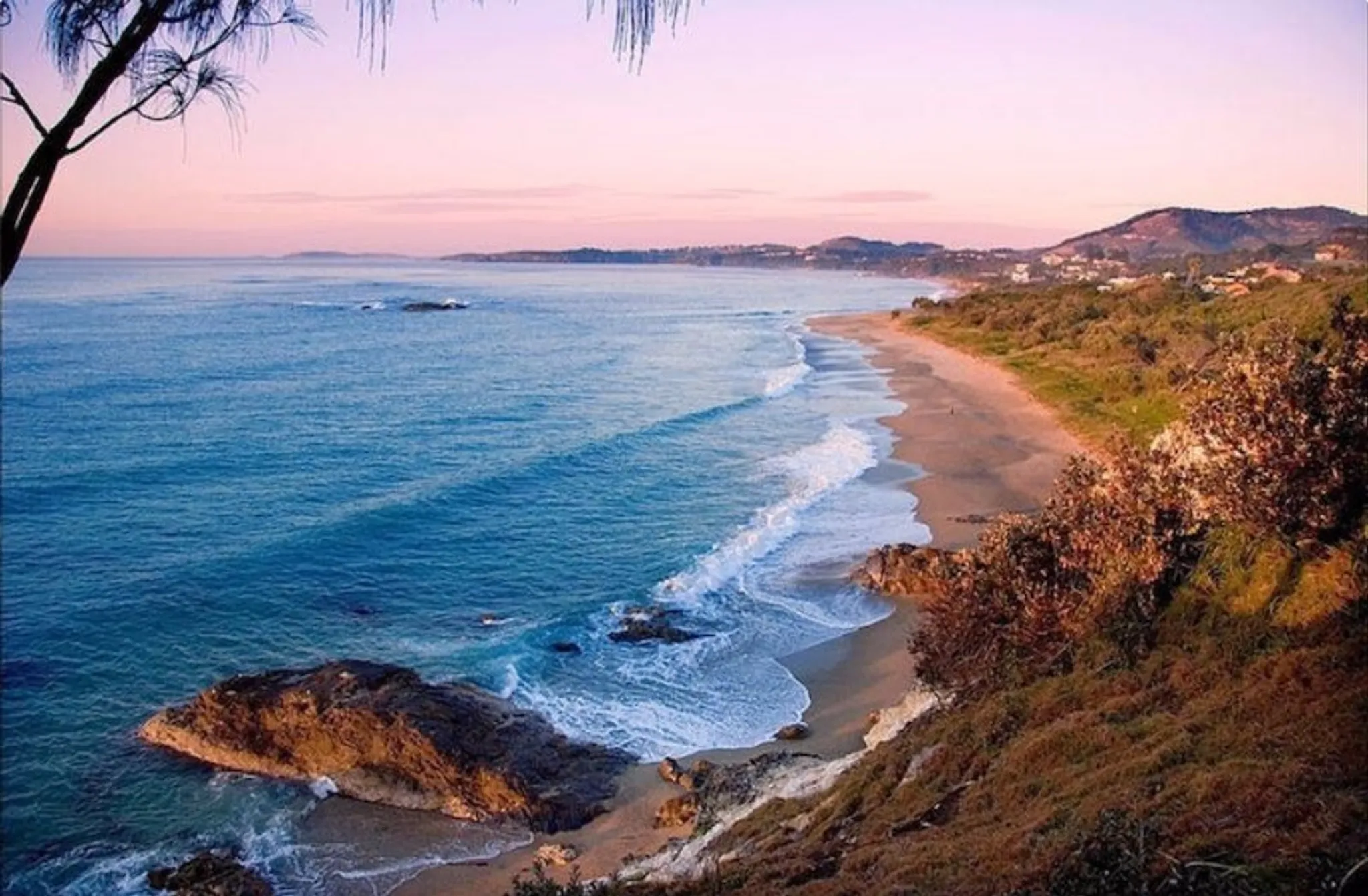
Most people know Coffs Harbour as the coastal paradise on the NSW Coffs Coast. It’s where the forest meets the sea and there are over 30 incredible beaches to explore and enjoy. Coffs Harbour beaches are next level beautiful, boasting that truly iconic laid-back Australian vibe with perfect conditions for swimming, surfing and just doing a whole lot of nothing much.
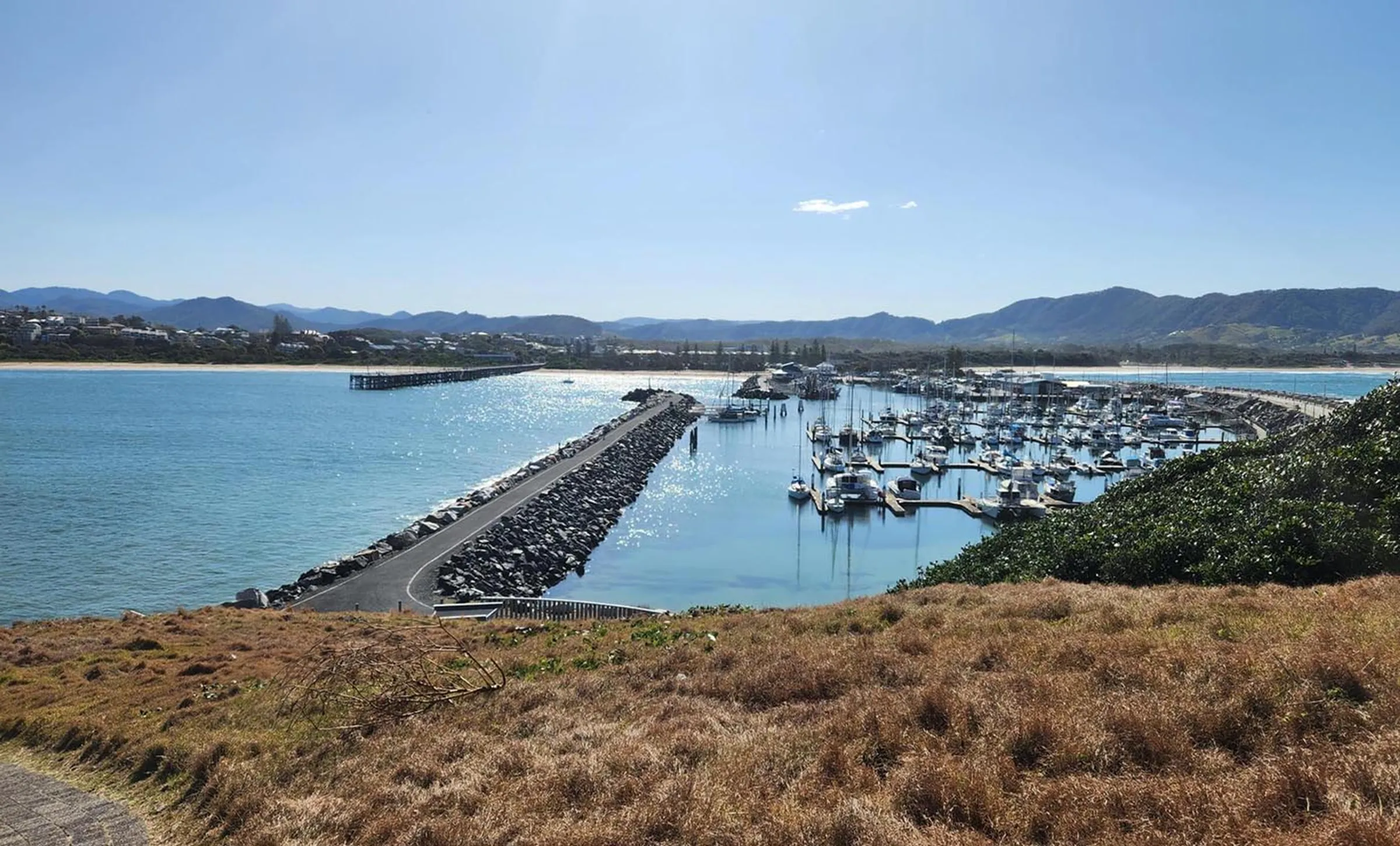
Road trip the Coffs Coast from Macksville to Red Rock, stopping in Nambucca Heads and Coffs Harbour along the way for beaches, rainforest walks and classic family attractions like the Big Banana.
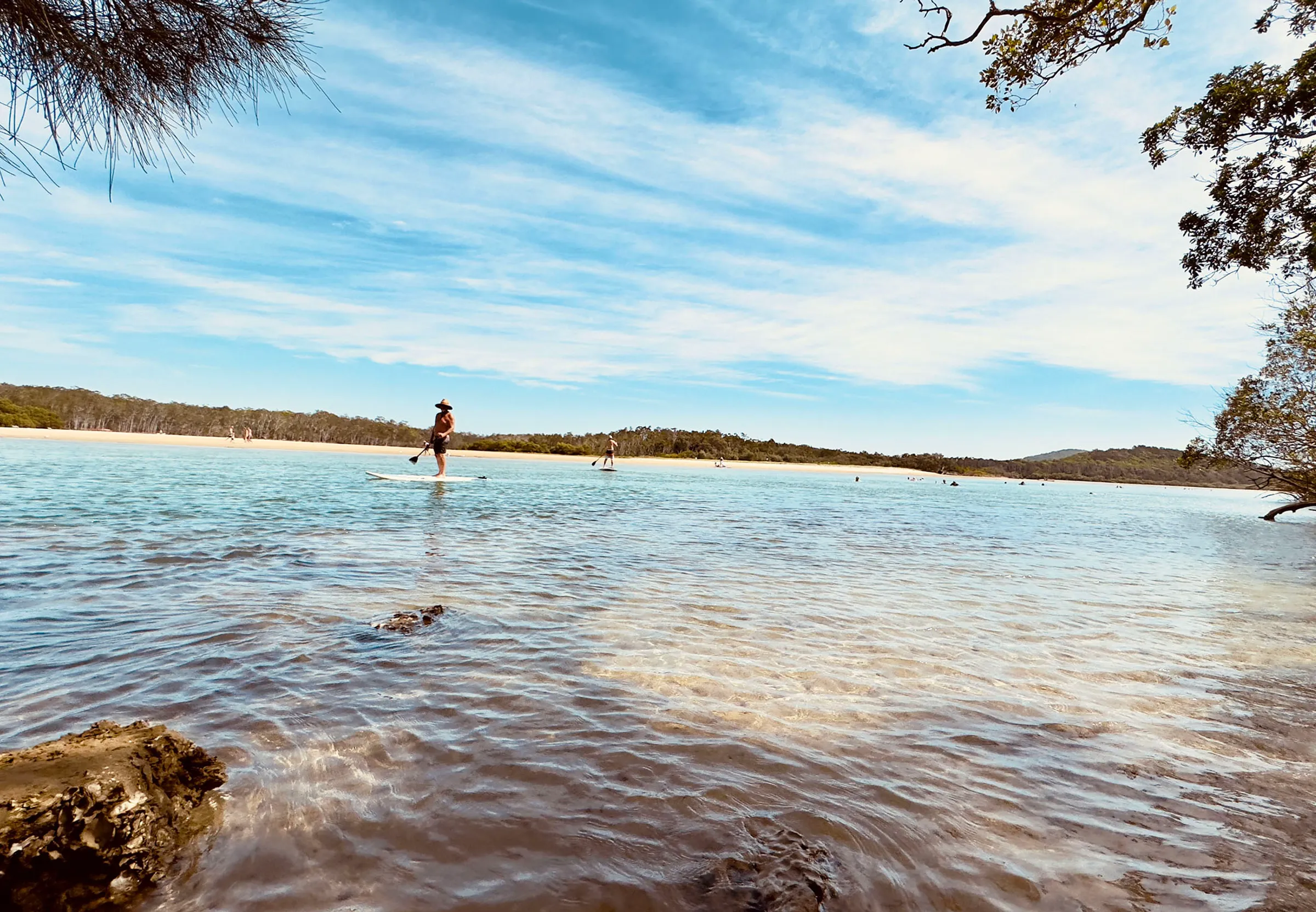
Discover the best of the Coffs Coast in spring, from coastal walks and beach days to hinterland escapes, wildflowers and fresh seasonal experiences.
Frequently asked questions
Didn’t find what you were looking for? We’re here to help. Get in touch here.
How long is the drive from Scotts Head to Port Macquarie?
If you're looking for how to get to Scotts Head from Port Macquarie, it's roughly a 1 hour 17 minute drive (around 101 km) in good traffic. It's a straight shot via the Pacific Highway, making it the perfect day trip while you're on holiday in Scotts Head. Plus, there are plenty of interesting towns to stop at along the way.
Where is Scotts Head NSW?
Scotts Head is a coastal village in the Coffs Coast / Mid North Coast region of New South Wales, set against the backdrop of the Pacific Ocean. With Port Macquarie to the south and Coffs Harbour to the north, it's tucked away at the southern end of Gaagal Wanggaan (South Beach) National Park.
How far is Scotts Head from Coffs Harbour?
Coffs Harbour is about 70 km north of Scotts Head – that's a cruisy 53-minute drive. Which is handy if you're flying into Coffs Harbour Airport, or looking for a fun and interesting day out on the Coffs Coast.
What LGA is Scotts Head in?
Scotts Head is part of the Nambucca Valley local government area (LGA), managed by Nambucca Valley Council. This LGA covers 25 km of coastline, including other significant towns like nearby Macksville, Nambucca Heads and Valla Beach.
How far is it from Sydney to Scotts Head?
For how to get to Scotts Head from Sydney, it's around 472 km by car, which takes about 5 hrs via the Pacific Highway. It's long enough to feel like a proper escape, but short enough to do in a day. Then, once you arrive, you can really unwind and enjoy everything this Coffs Coast hamlet has to offer.
Plan your trip
Filter by
Attractions
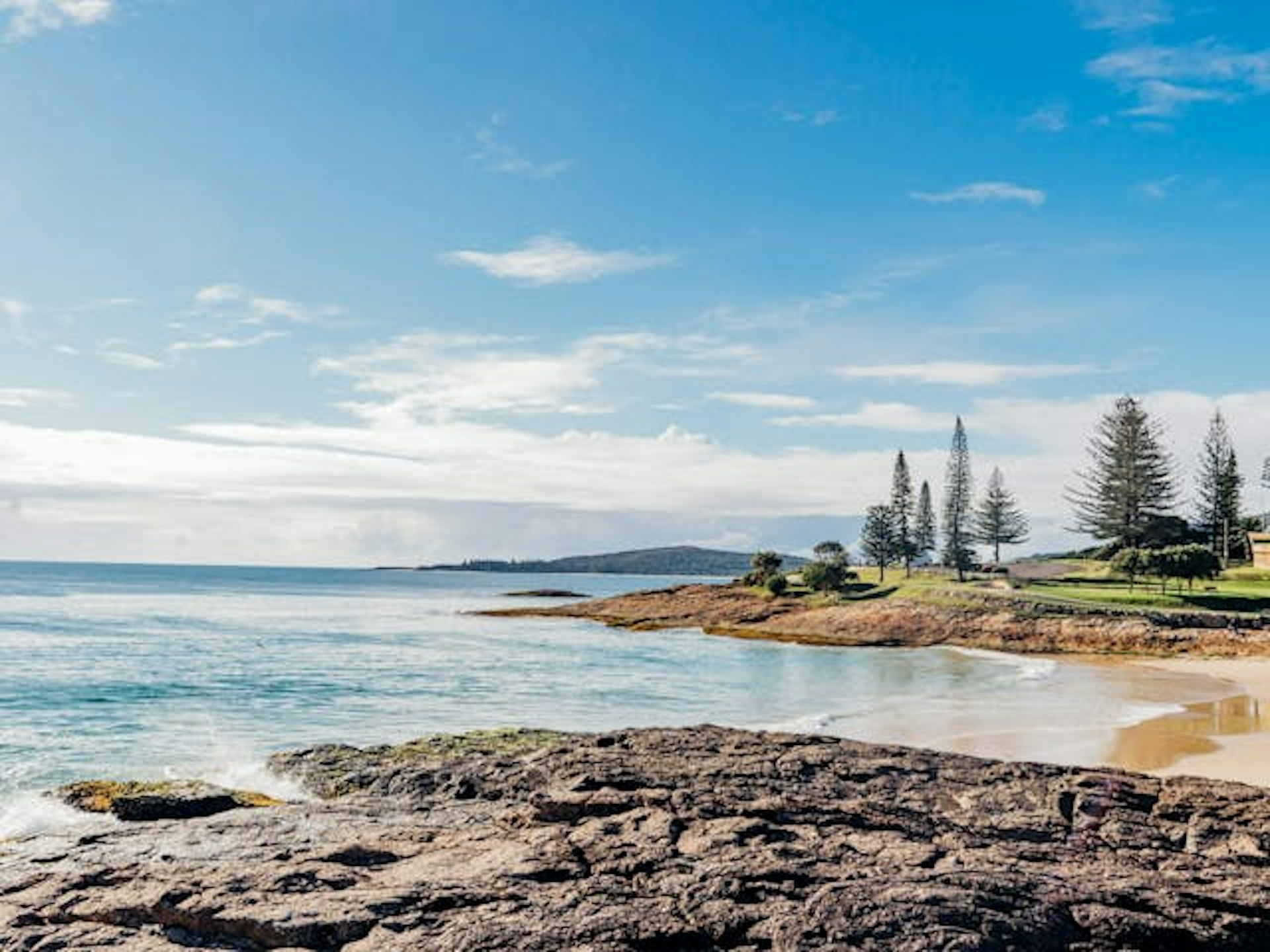
Horseshoe Bay Beach South West Rocks
15.93km from park
South West Rocks has a beautiful little beach surrounded by towering pines. This sheltered area is very popular with families wanting to swim....
Learn more
Nov 08
Events

60s and 70s Singalong Paint and Sip - South West Rocks
16.79km from park
Paint Juicy hosts a 1960s and 1970s singalong paint and sip session in South West Rocks on the New South Wales mid north coast....
Learn more
Food and Drink
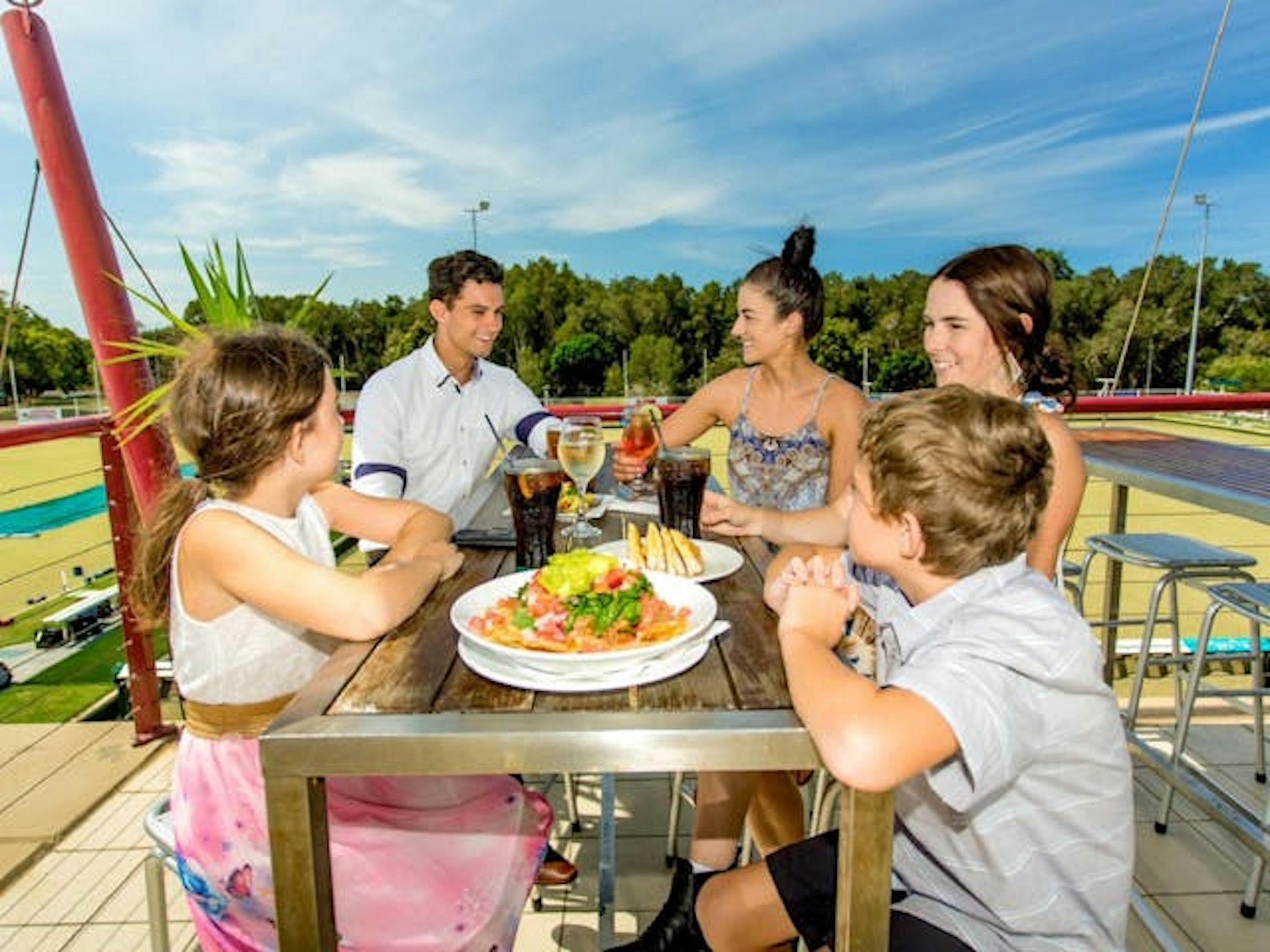
South West Rocks Country Club
16.73km from park
Featuring multiple dining options, modern function facilities, an 18-hole challenging golf course, four synthetic tennis courts, a...
Learn more
Tours

South West Rocks Dive Centre
17.02km from park
The South West Rocks Dive Centre is family-owned and operated and has been conducting daily charter dives to Fish Rock since 1980....
Learn more
Attractions

Rawspice Boutique
15.98km from park
Welcome to Rawspice Boutique, nestled in the beautiful beach town of South West Rocks, halfway between Brisbane and Sydney....
Learn more
Food and Drink

Stuarts Point Workers and Bowls Club
8.28km from park
Stuarts Point Workers Recreation and Bowls Club is a dynamic and welcoming Community Club offering a wide range of services to the...
Learn more
Tours

Fish Rock Dive Centre
15.08km from park
Fish Rock Cave is their best known and most popular dive site but the cave is just the beginning of the great diving around South West Rocks....
Learn more
Attractions

Yarriabini lookout
10.37km from park
Your visit to the Nambucca region just wouldn't be complete without a day trip to see the magnificent coastal views from Yarriabini lookout....
Learn more
Food and Drink
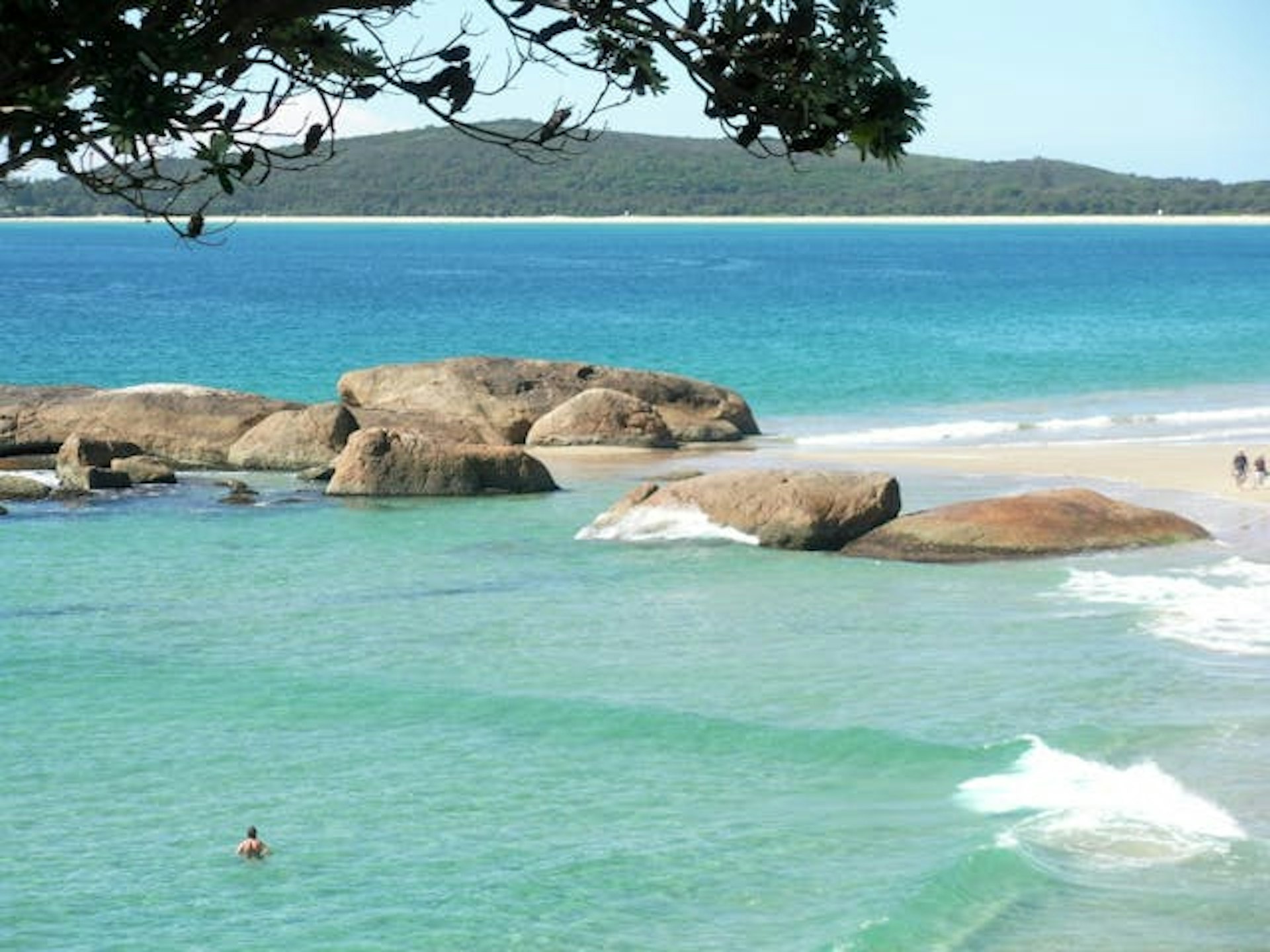
South West Rocks Surf Life Saving Club
15.95km from park
The South West Rocks Surf Life Saving Club boasts the best views in the town. Come and visit the Boulders Bar and Bistro for some...
Learn more
Tours
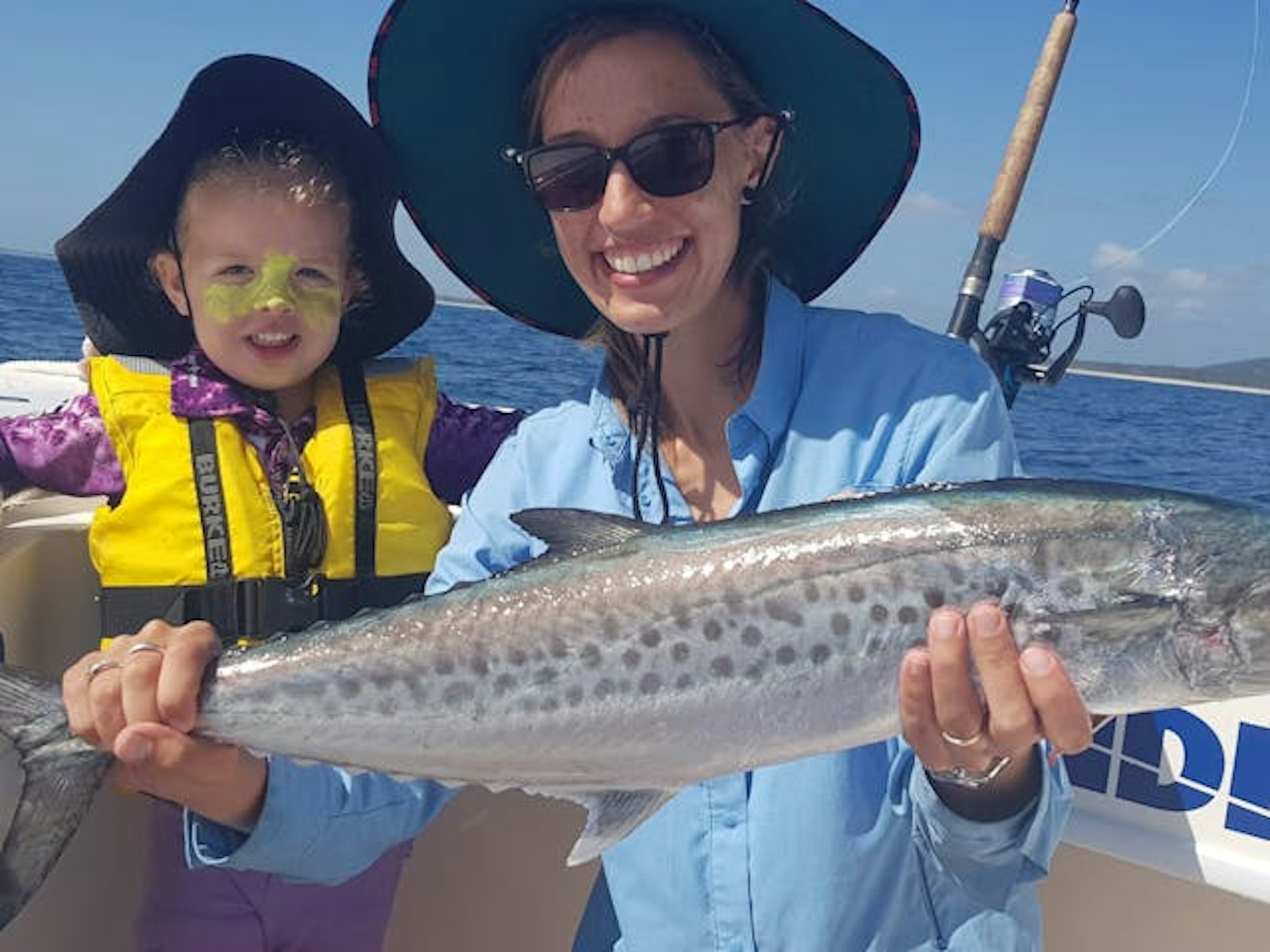
Wildside Sportfishing
15.81km from park
Wildside Sportfishing is a guided fishing charter in South West Rocks, Northern New South Wales.
They specialise in small personalised...
Learn more
Attractions

Little Bay Beach - South West Rocks
17.44km from park
Little Bay is a secluded beach nestled between granite cliffs, just south of the headland near Trial Bay Gaol in Arakoon National Park....
Learn more
Food and Drink

The Point Cafe and Takeaway
8.31km from park
Call in for fantastic fish and chips, old-fashioned hamburgers, handmade pizza, coffee, cold drinks, sandwiches, cakes, gifts, fuel...
Learn more
Tours
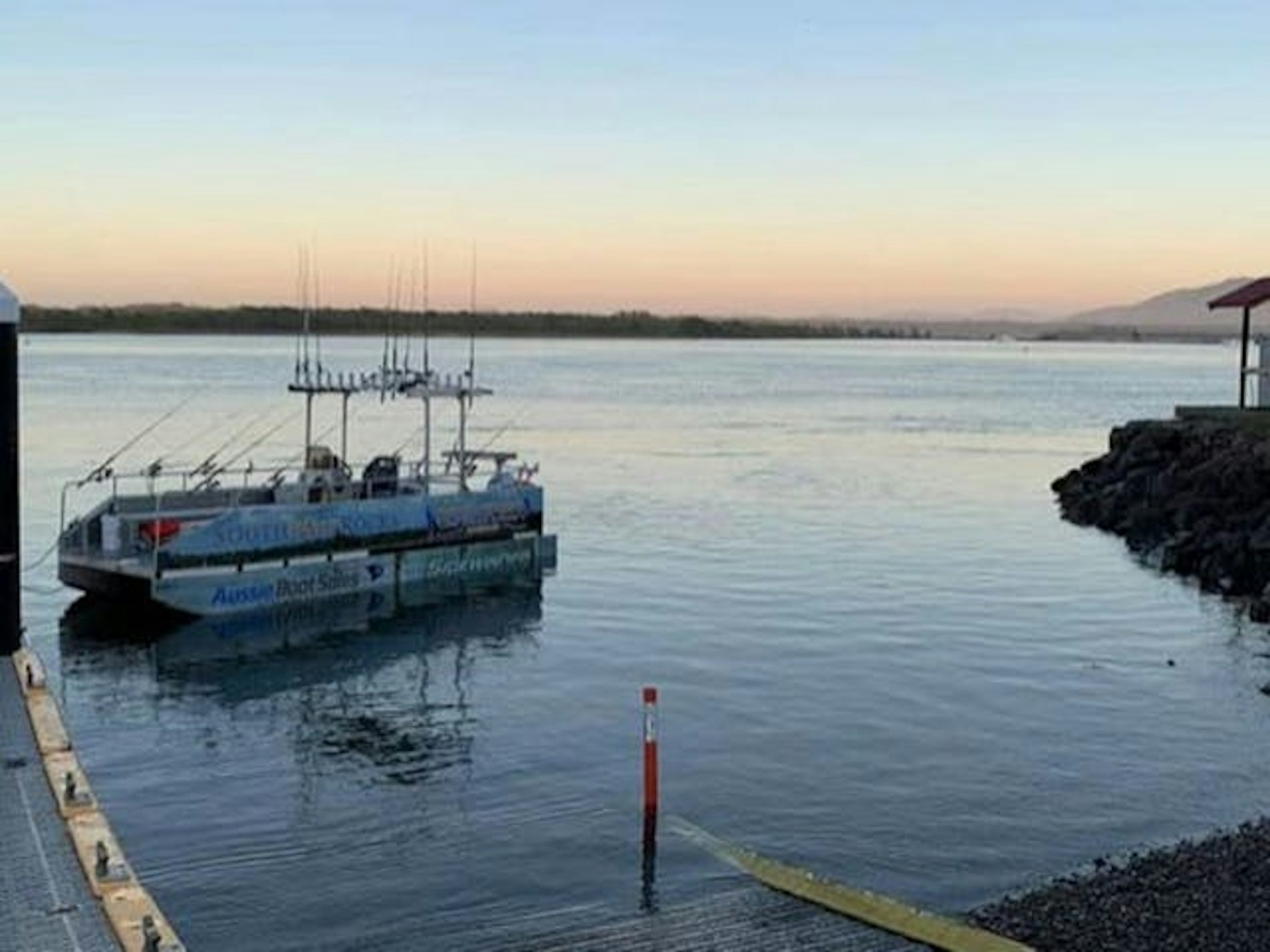
South West Rocks Estuary Charters
15.88km from park
With his many years of experience, Matt shares his passion for fishing, conservation and knowledge of what South West Rocks has to...
Learn more
Ways to stay in Scotts Head
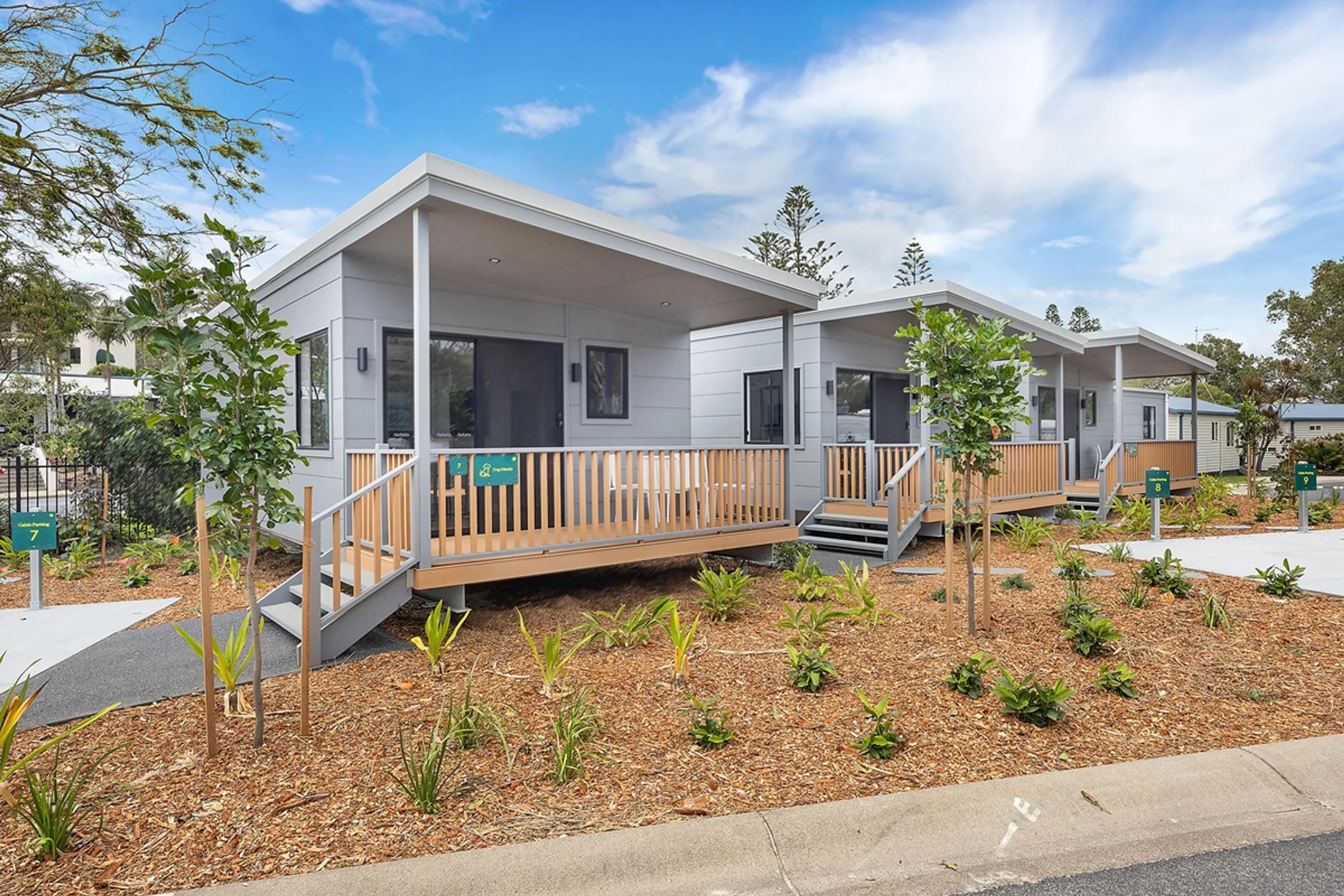
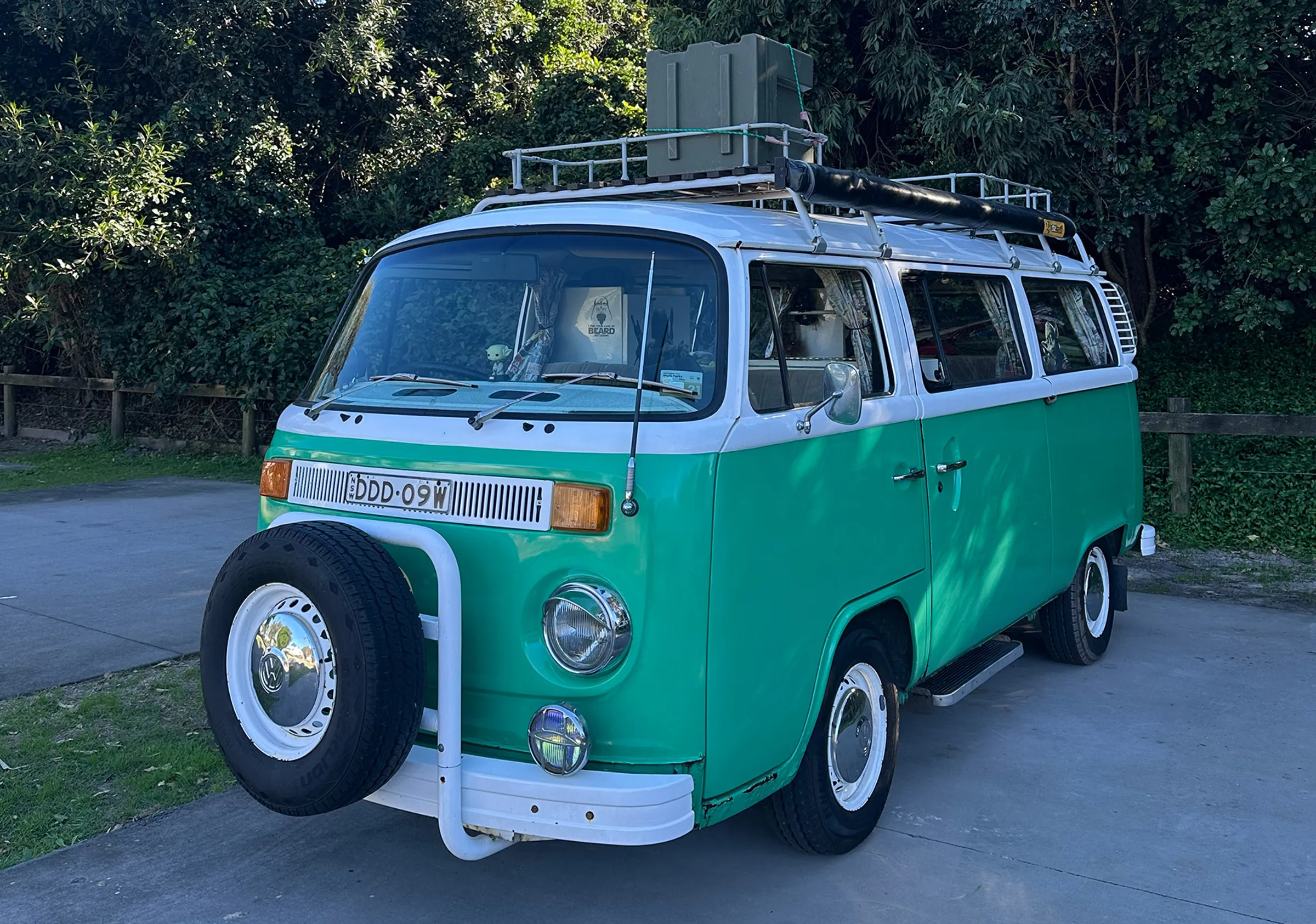
Once you've figured out how to get to Scotts Head, the rest is easy, especially if you stay with us at Reflections Scotts Head. Choose from campsites, cabins and tiny homes, plus best-in-class amenities designed to make your stay comfortable and care-free. You'll find us on Adin Street, walking distance to shops and – more importantly – the beach.