Camping NSW: Beach, Bush & Lakeside Campsites Across New South Wales
If you’re planning camping in NSW, the challenge isn’t finding somewhere to go, it’s choosing a place that actually suits how you travel.
Some parks look great online but feel crowded once you’re set up. Others don’t stand out at first glance but end up being the ones people return to. The difference usually comes down to layout, access and how close you are to the things you actually use.
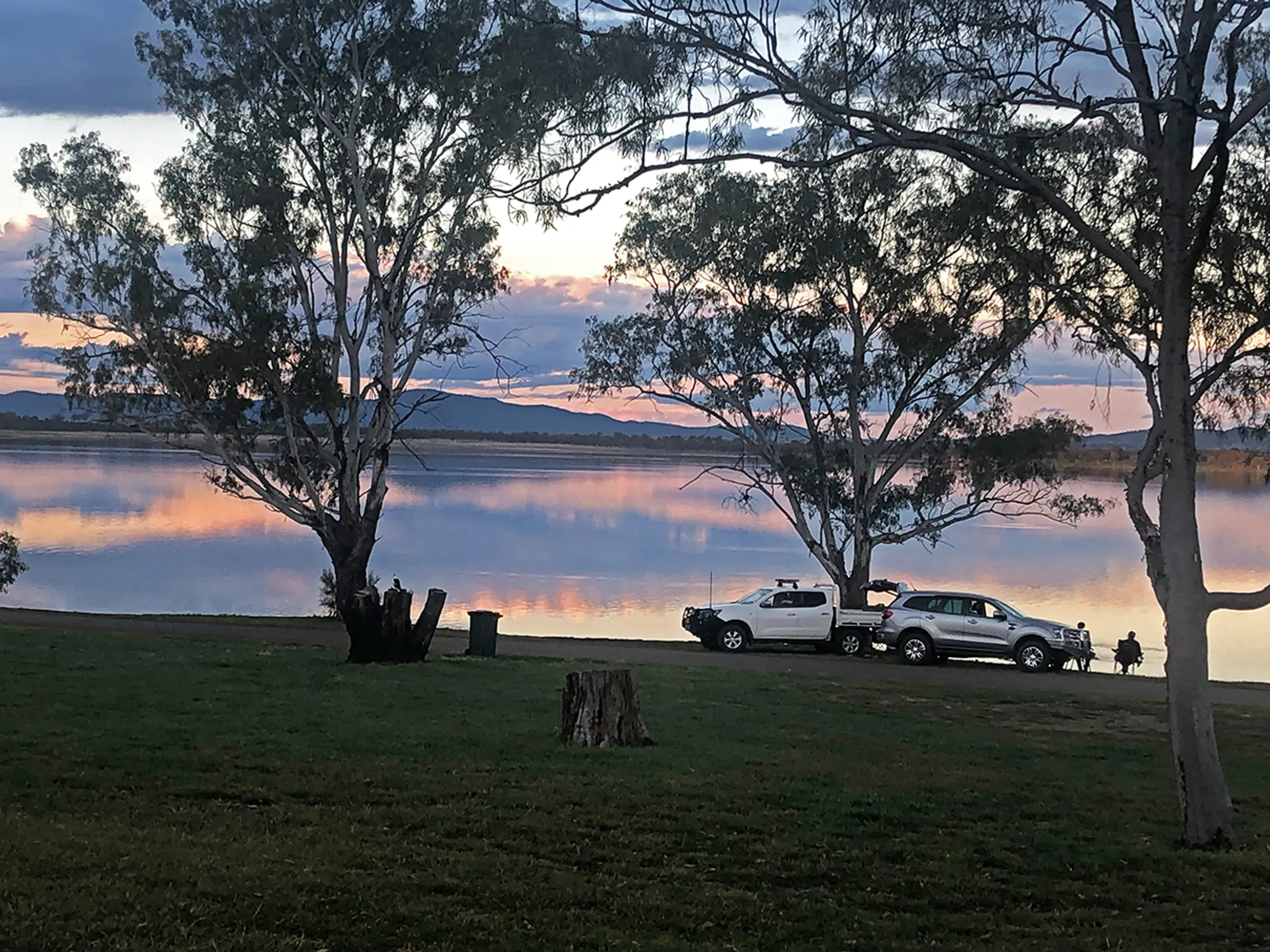
We manage camping locations across New South Wales, from coastal parks near Byron Bay through to inland spots like Lake Keepit and Burrinjuck Waters. Some are right in town. Others feel properly removed from it.
This guide is here to help you work out where to go based on how you actually like to camp
Far North Coast NSW Camping
This is where most people start.
The weather is consistent, beach access is easy, and you’ve got a mix of busy locations and quieter towns depending on how far you move away from Byron.
If you’re staying at Camping at Byron Bay, you’re right in the middle of everything. You can walk into town, grab a coffee, and be back at your site without needing the car. That convenience is hard to beat, but it does get busy.
Quieter alternatives on the Far North Coast
If you want a slower pace, Camping at Evans Head is one of the better options along this stretch. You still get beach access, just without the same level of foot traffic.
Camping at Brunswick Heads sits somewhere in between. There’s enough going on without it feeling crowded.
Further south, Camping at Lennox Head and Camping at Ballina are easier to navigate, especially if you’re towing a van. Layout matters more than people expect, particularly when you arrive.
You’ve also got Camping at Shaws Bay and Camping at Ferry Reserve if you prefer being near the water without being right on the main beach.

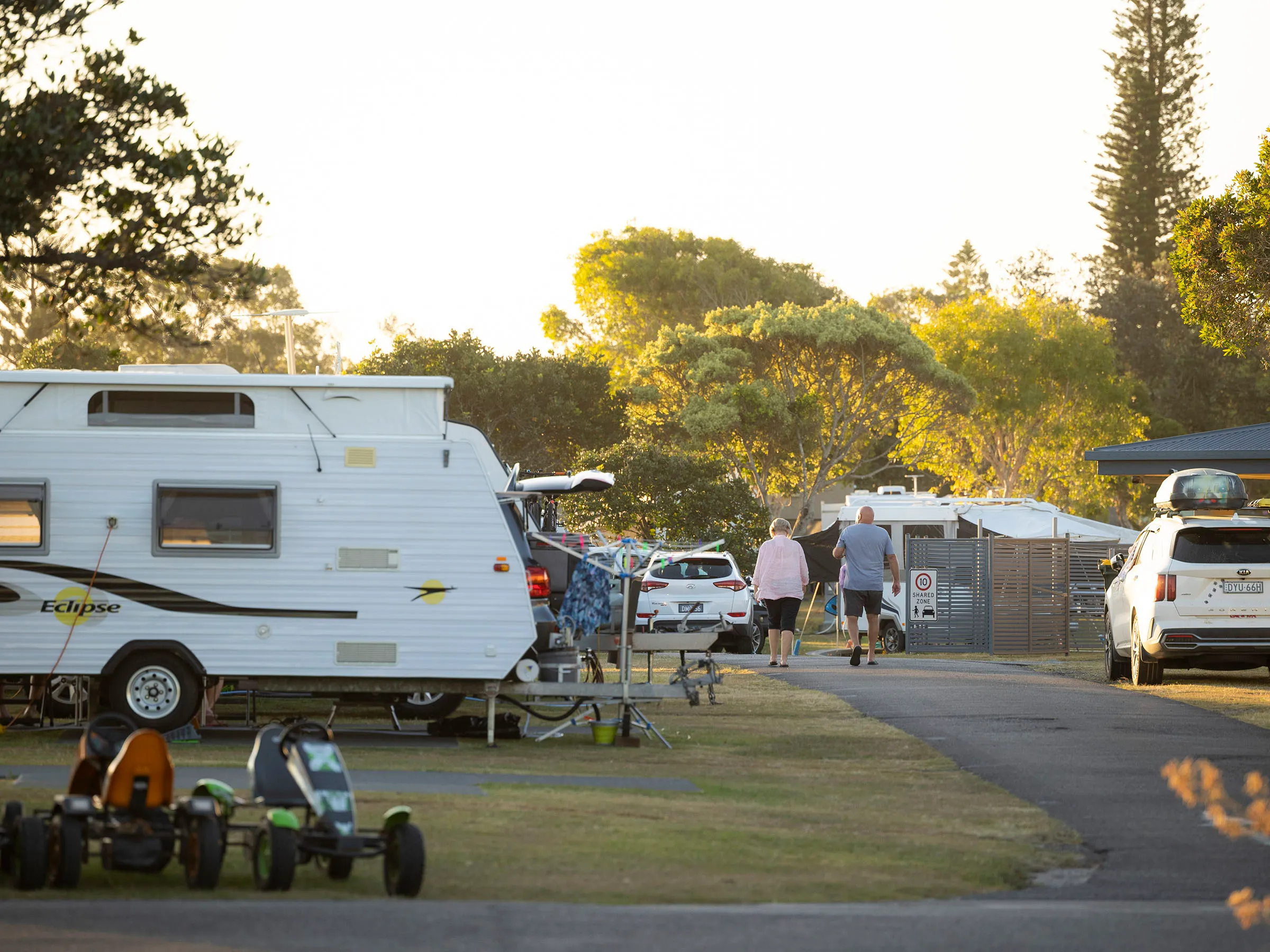

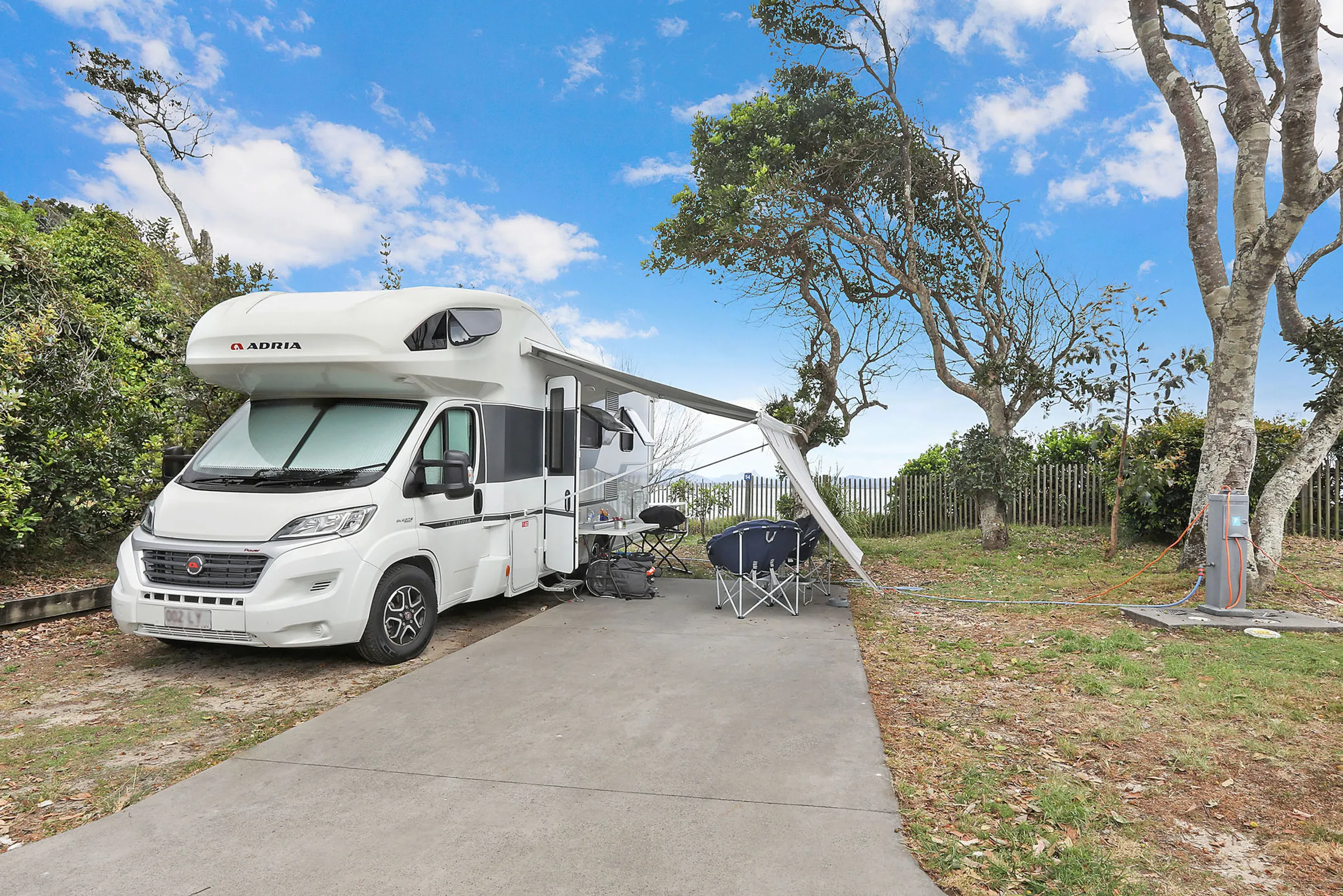
Byron Bay Caravan Park


Coffs Coast NSW Camping
This part of the coast doesn’t always get the same attention, but once you’ve been, it makes sense why people come back.
There’s a mix of river and ocean access, and it’s noticeably quieter than Byron or even parts of the Mid North Coast.
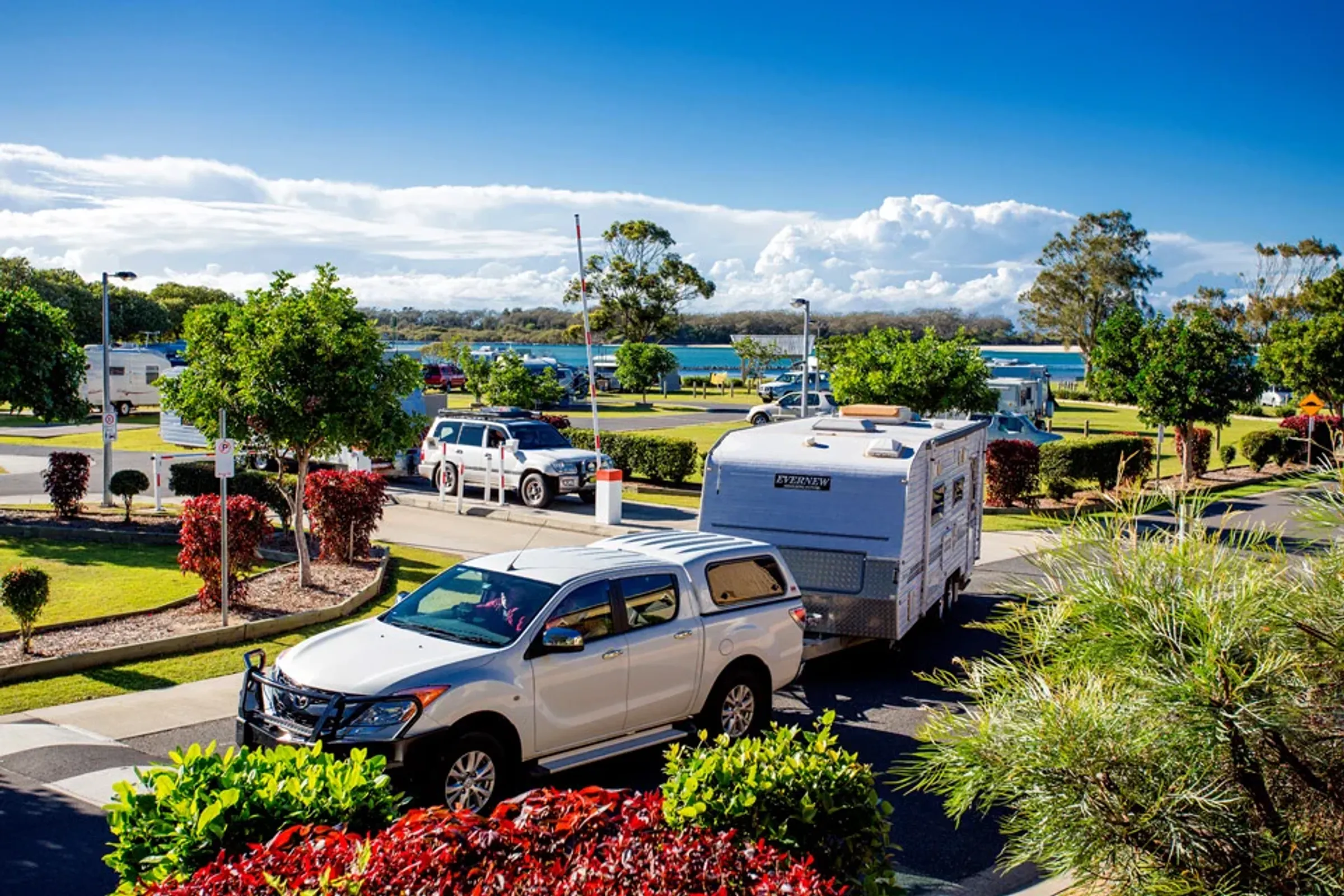
Camping at Red Rock stands out. You’ve got the river on one side and the beach on the other, and the whole place settles into a slower rhythm once you’re there.
Quieter coastal camping options
Camping at Corindi Beach and Camping at Moonee Beach are quieter again. Less going on, but that’s usually why people choose them.
If you want access to everything, Camping in Coffs Harbour is the most practical option.
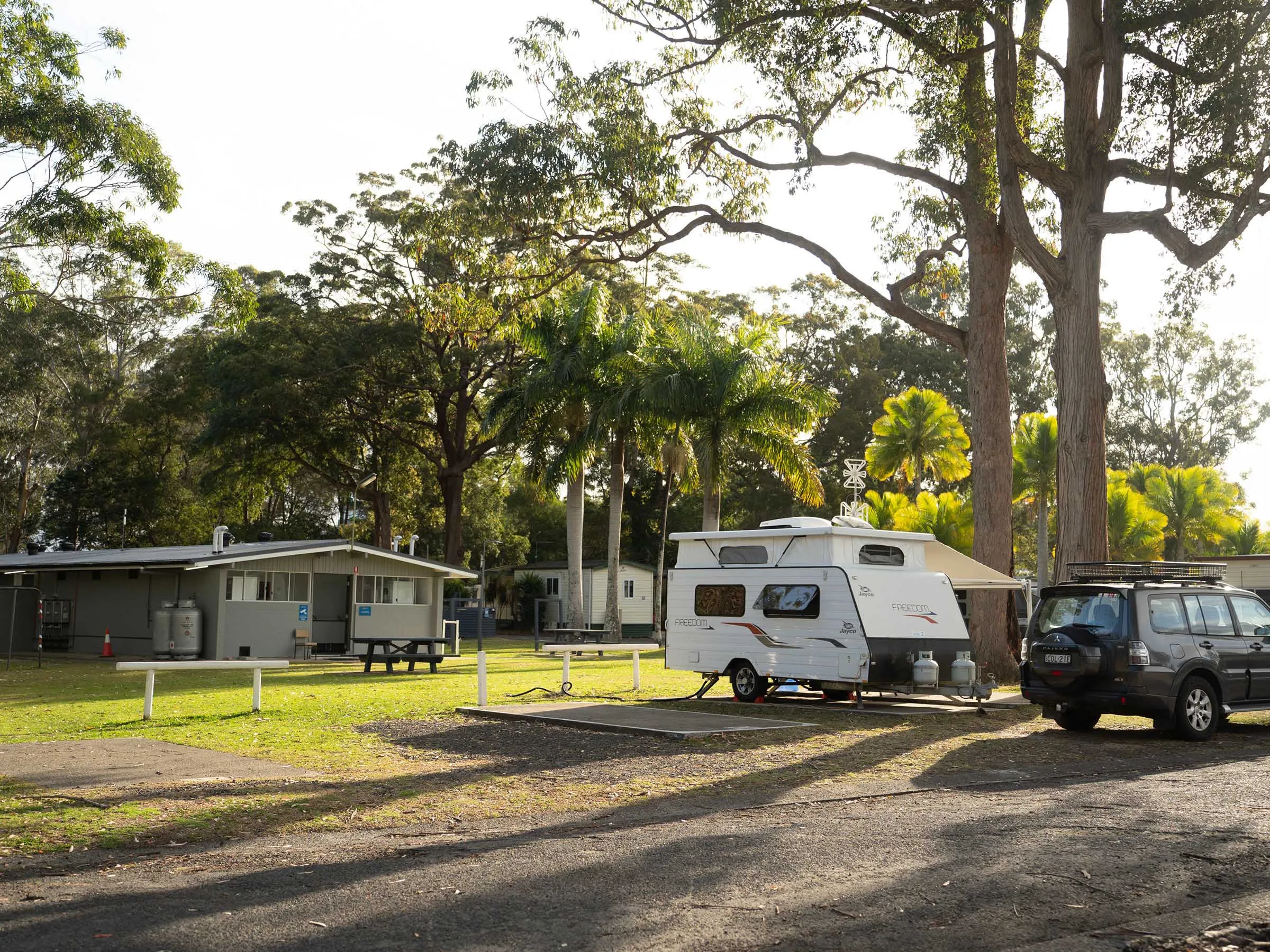
You’ve also got smaller spots like Camping at Mylestom, Camping in Nambucca Heads and Camping at Scotts Head, along with Camping in Urunga.


Mid North Coast NSW Camping
The Mid North Coast tends to feel more relaxed.
You’ve still got strong coastal access, but the pace is slower and it’s easier to settle in for a few days.
Camping at Hawks Nest is one of the easier places to get comfortable. The water is calmer, and you’re not dealing with the same level of movement as further north.
Remote vs connected camping options
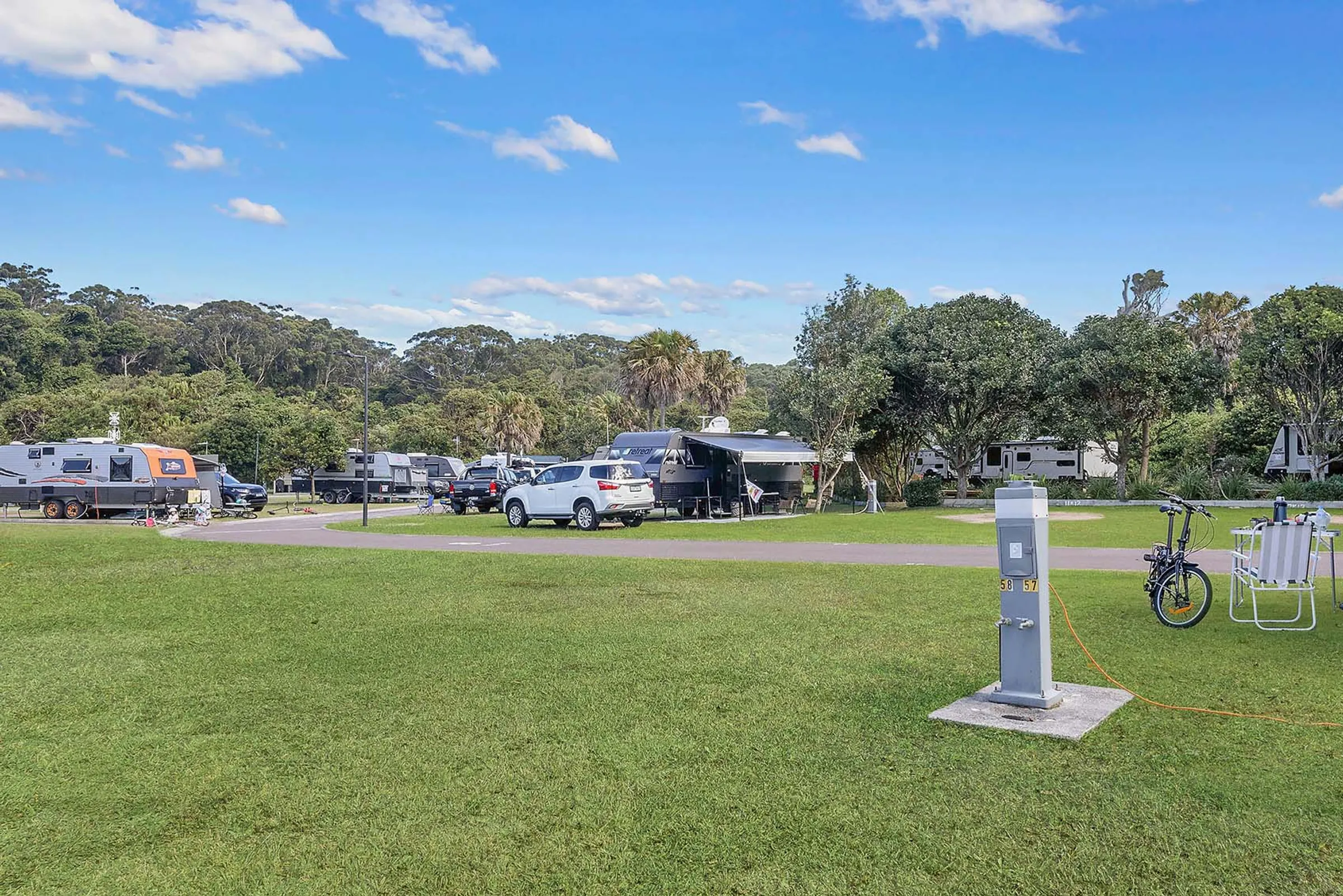
Camping at Seal Rocks is incredibly popular but far more remote. Once you’re there, you’re not heading out constantly. People tend to arrive prepared and stay put.
If you want more access to shops and cafes, Camping at Forster Beach and Camping at Tuncurry give you that balance.
There are also quieter options like Camping at Jimmys Beach, Camping at North Haven and Camping at Bonny Hills.




South Coast NSW Camping
The South Coast feels different straight away.
The pace drops, the landscape opens up, and things feel less built up.
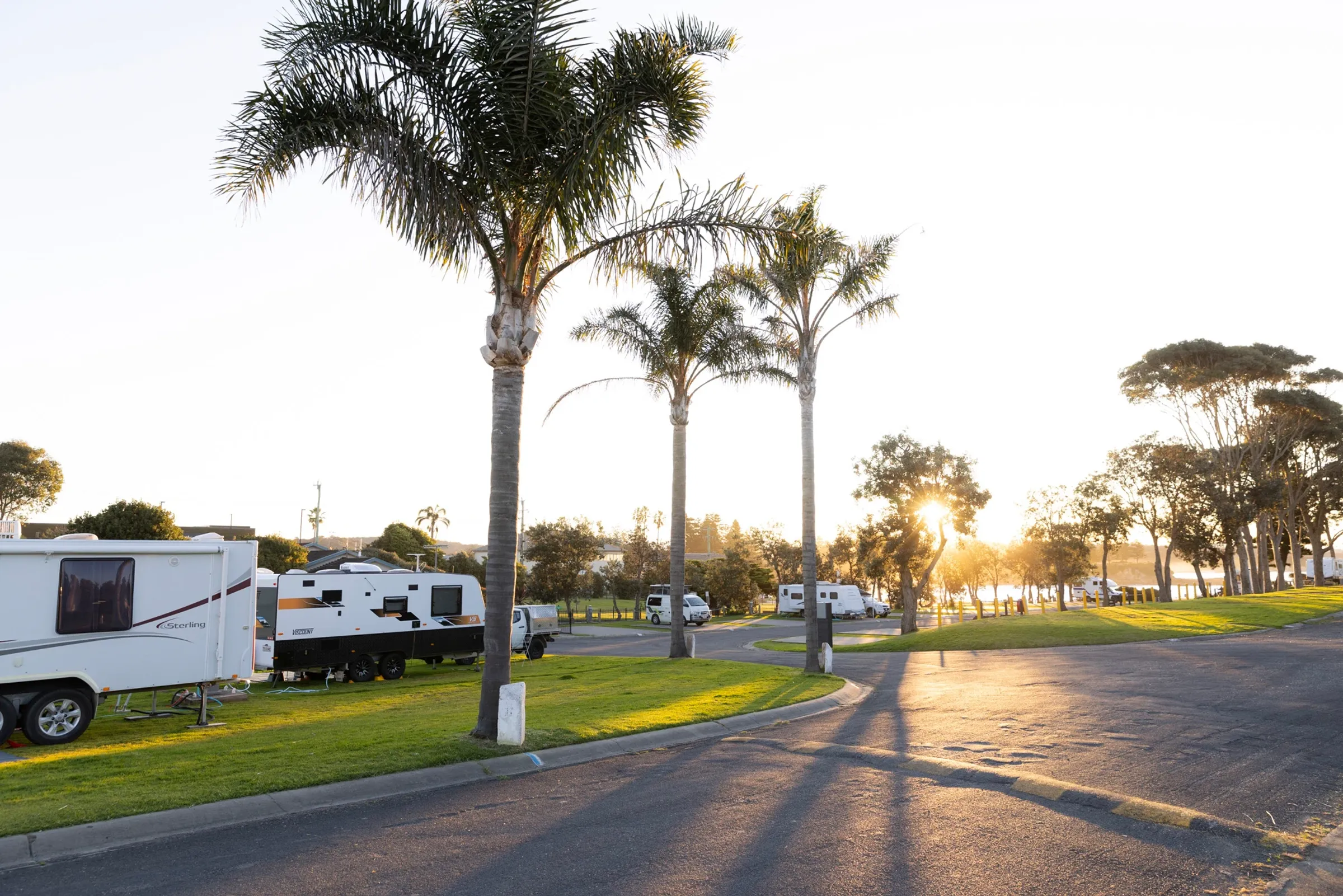
Camping in Bermagui is one people tend to return to. It’s not as busy, and you’re not dealing with the same level of foot traffic.
Planning ahead on the South Coast
Further south, Camping in Eden and Camping in Pambula feel more remote. Once you’re set up, you’re less likely to move around, so planning ahead helps.
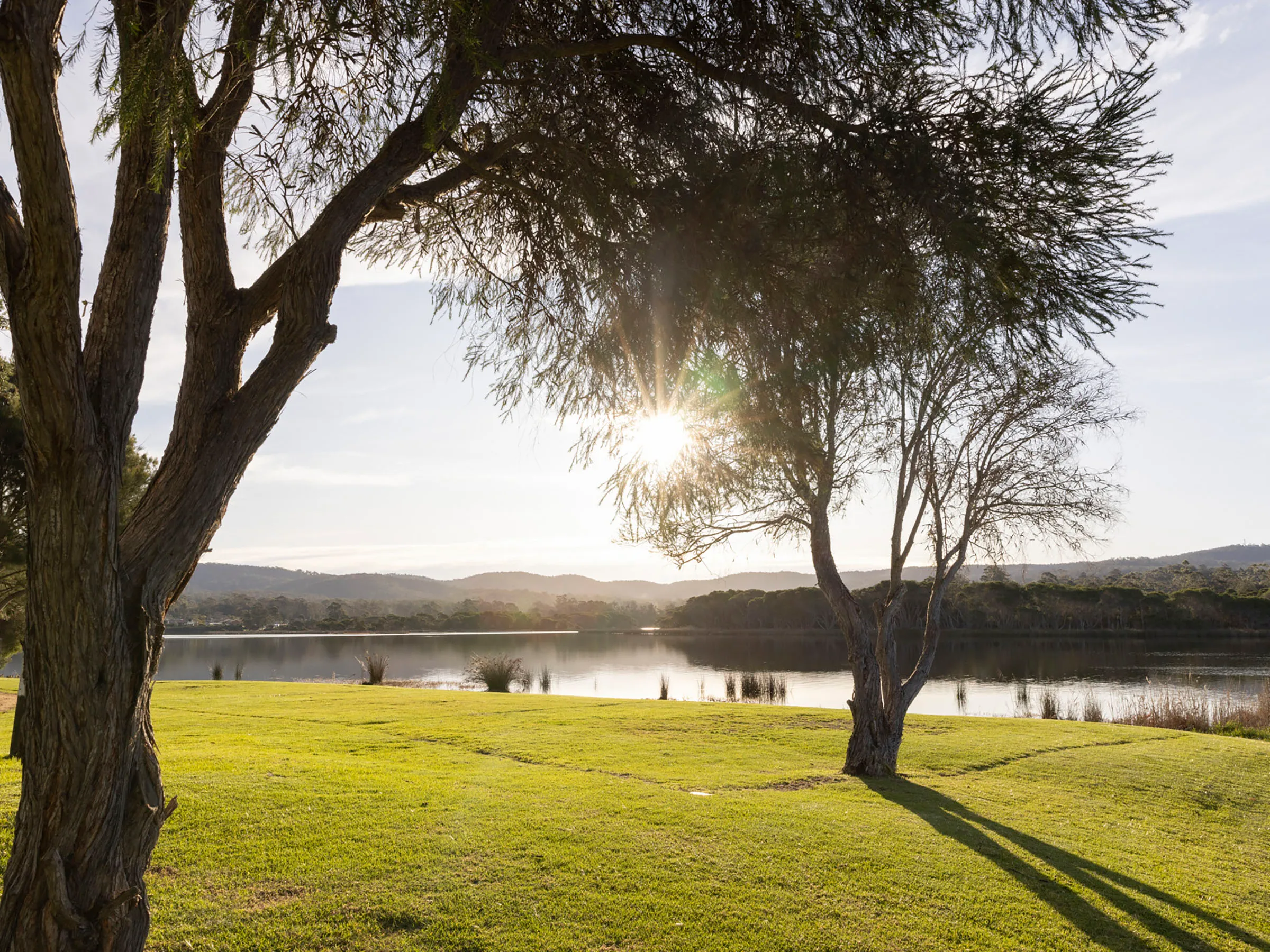

Country NSW Camping
If you want space, this is where things change completely.
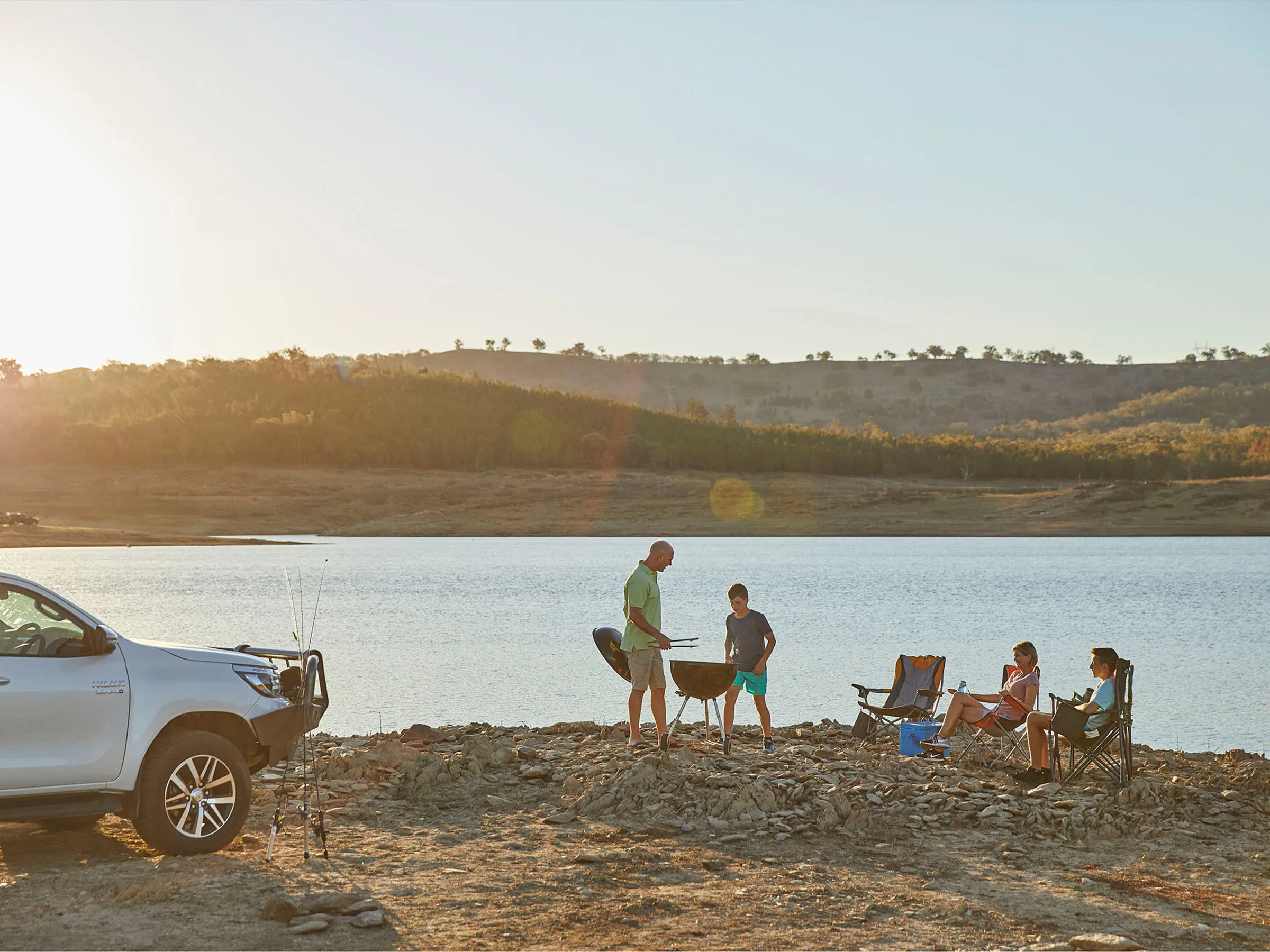
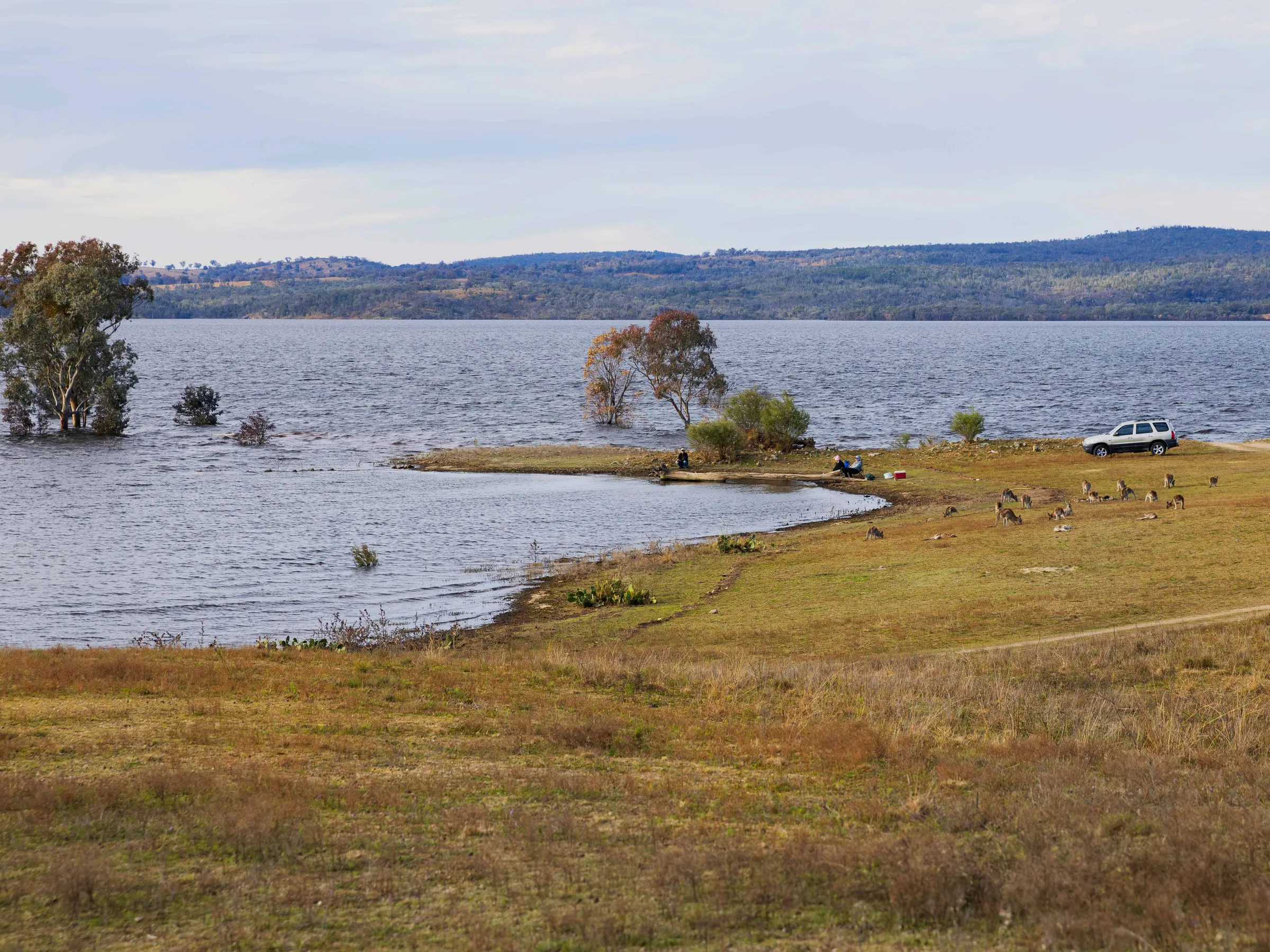
The inland parks are a different experience. You’re dealing with lakes, open ground and fewer constraints on how you set up.
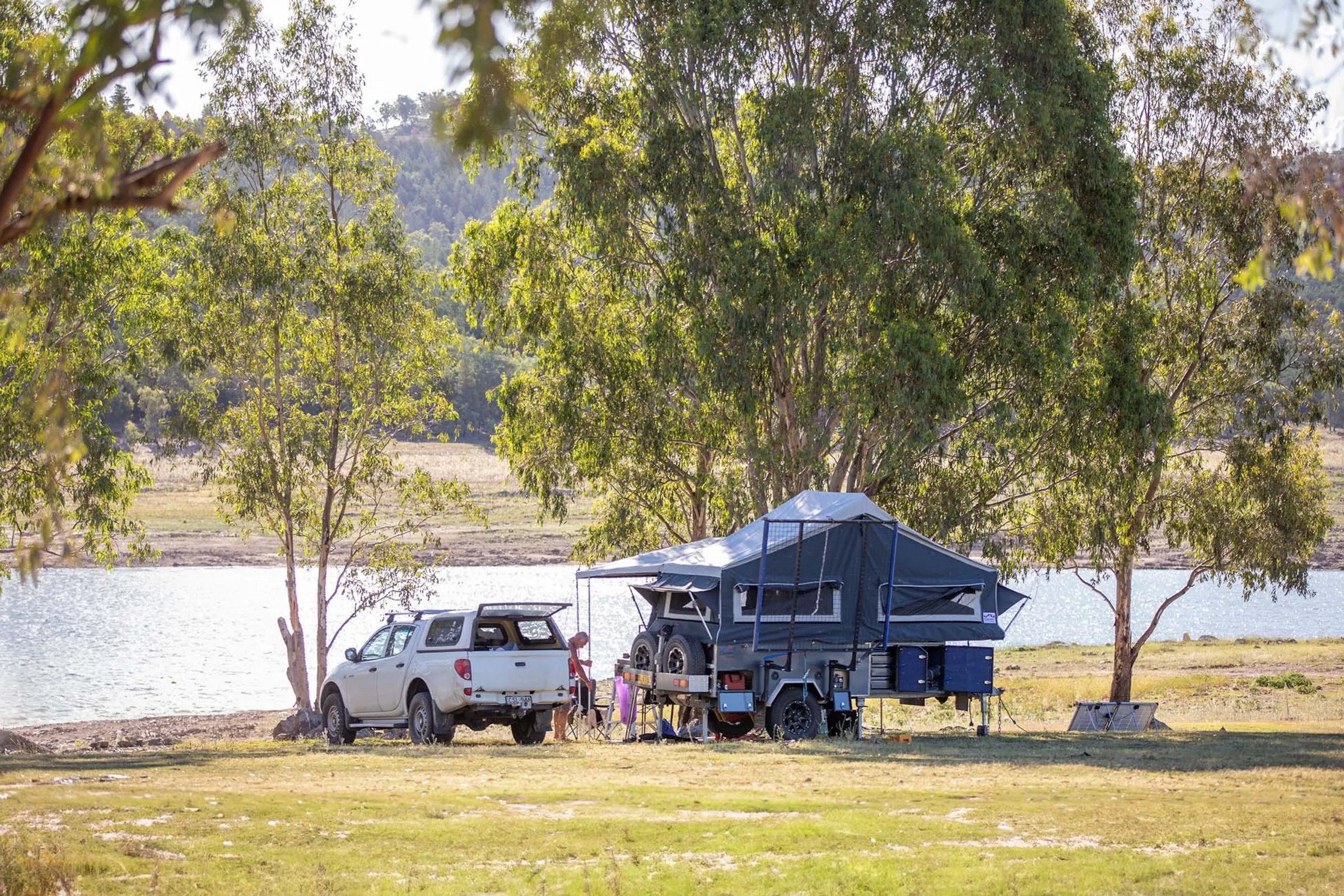
Camping at Lake Keepit is one of the easiest places to spread out. You’re not right on top of other campers, and the pace is noticeably slower.
Inland camping for space and access
Camping at Copeton Waters and Camping at Burrinjuck Waters follow a similar pattern.
You’ve also got options like Camping at Cudgegong River, Camping at Grabine Lakeside, Camping at Lake Burrendong, Camping at Lake Glenbawn, Camping at Mookerawa Waters, Camping at Wee Jasper and Camping at Wyangala Waters.




Powered vs Unpowered Campsites NSW
Powered sites make things easier. You’ve got electricity, a simpler setup, and you’re usually closer to amenities.
Unpowered sites give you more flexibility. In some parks, they’re positioned better — closer to the water or further away from busier areas.
It depends on how you travel
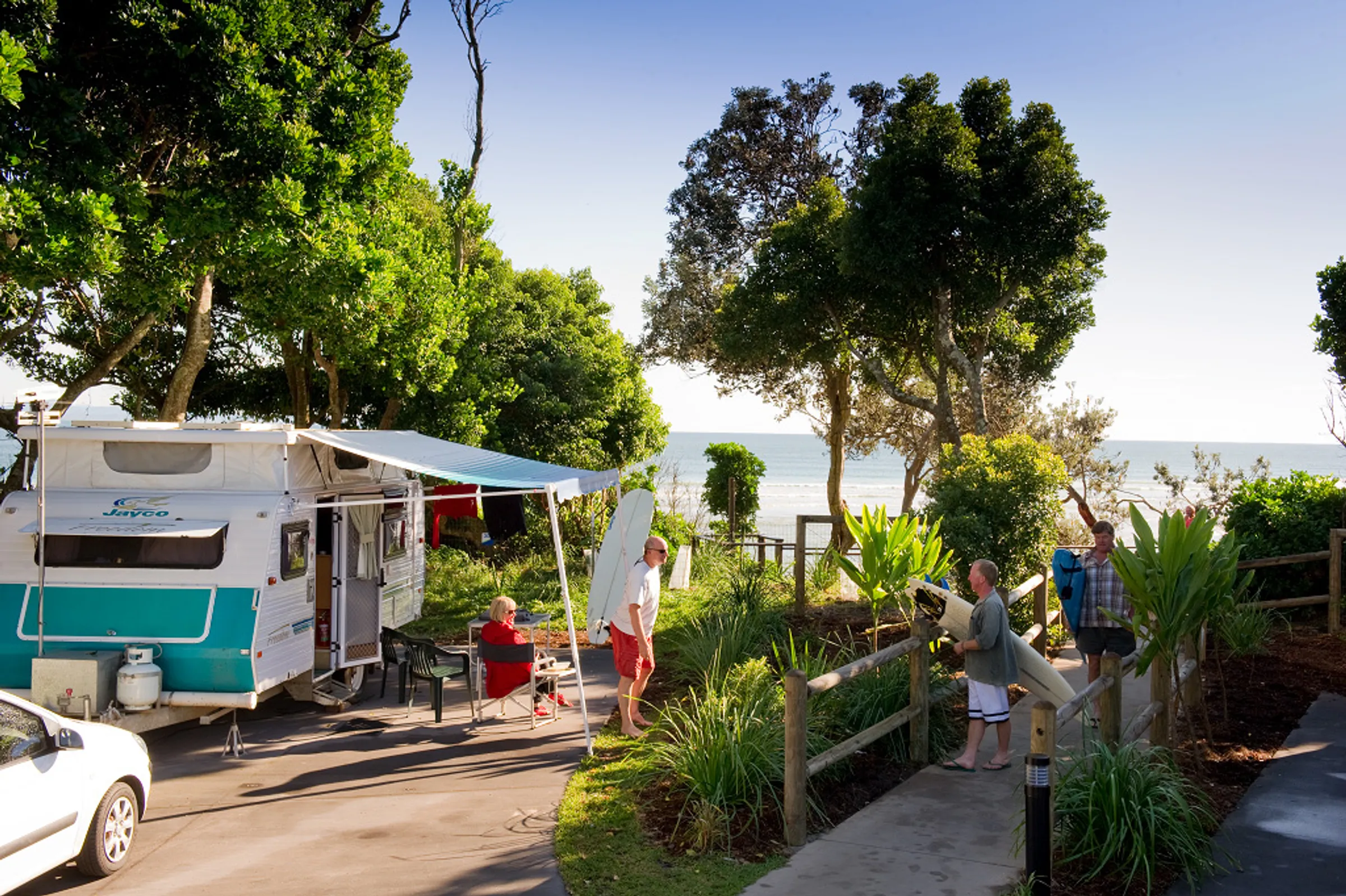
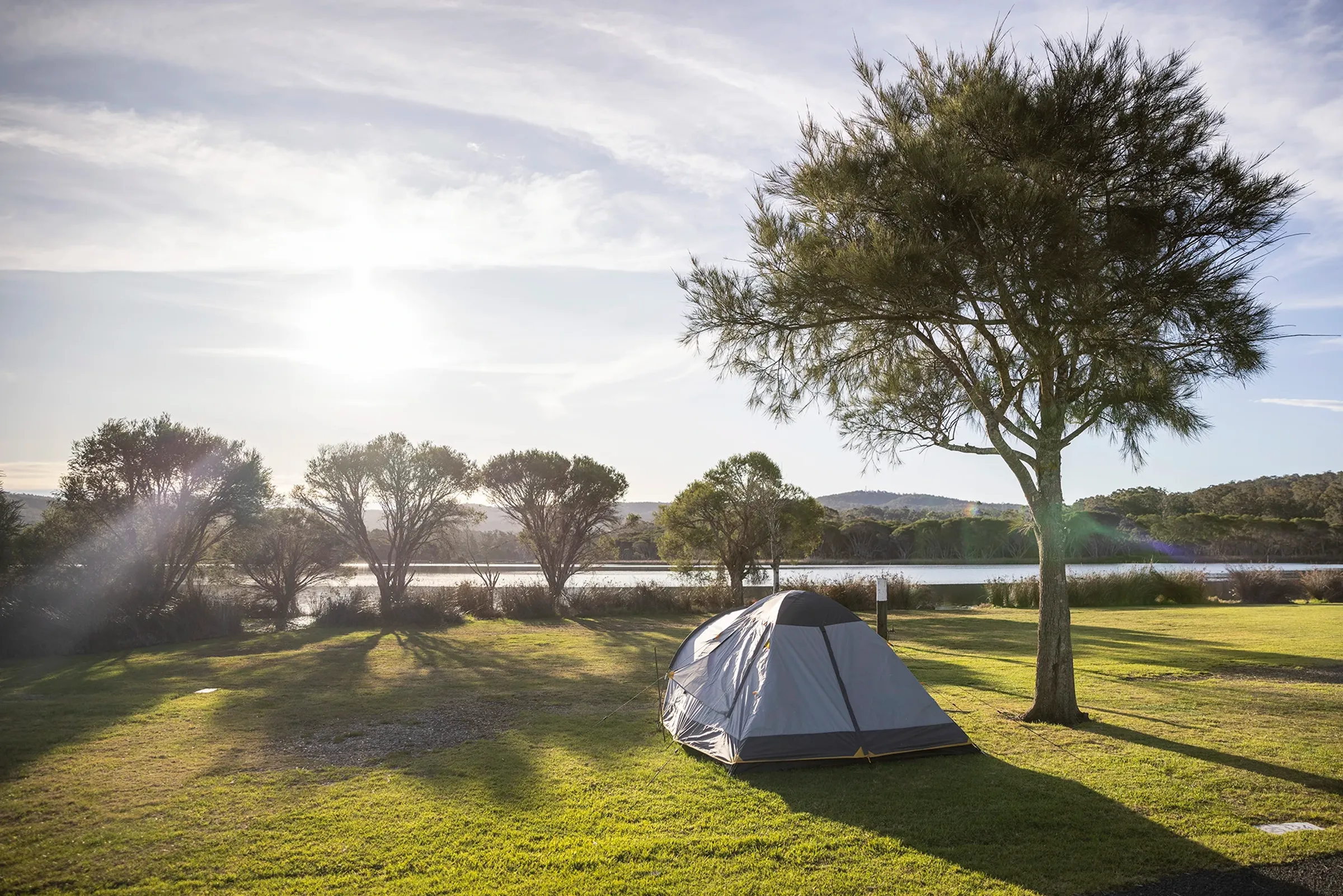
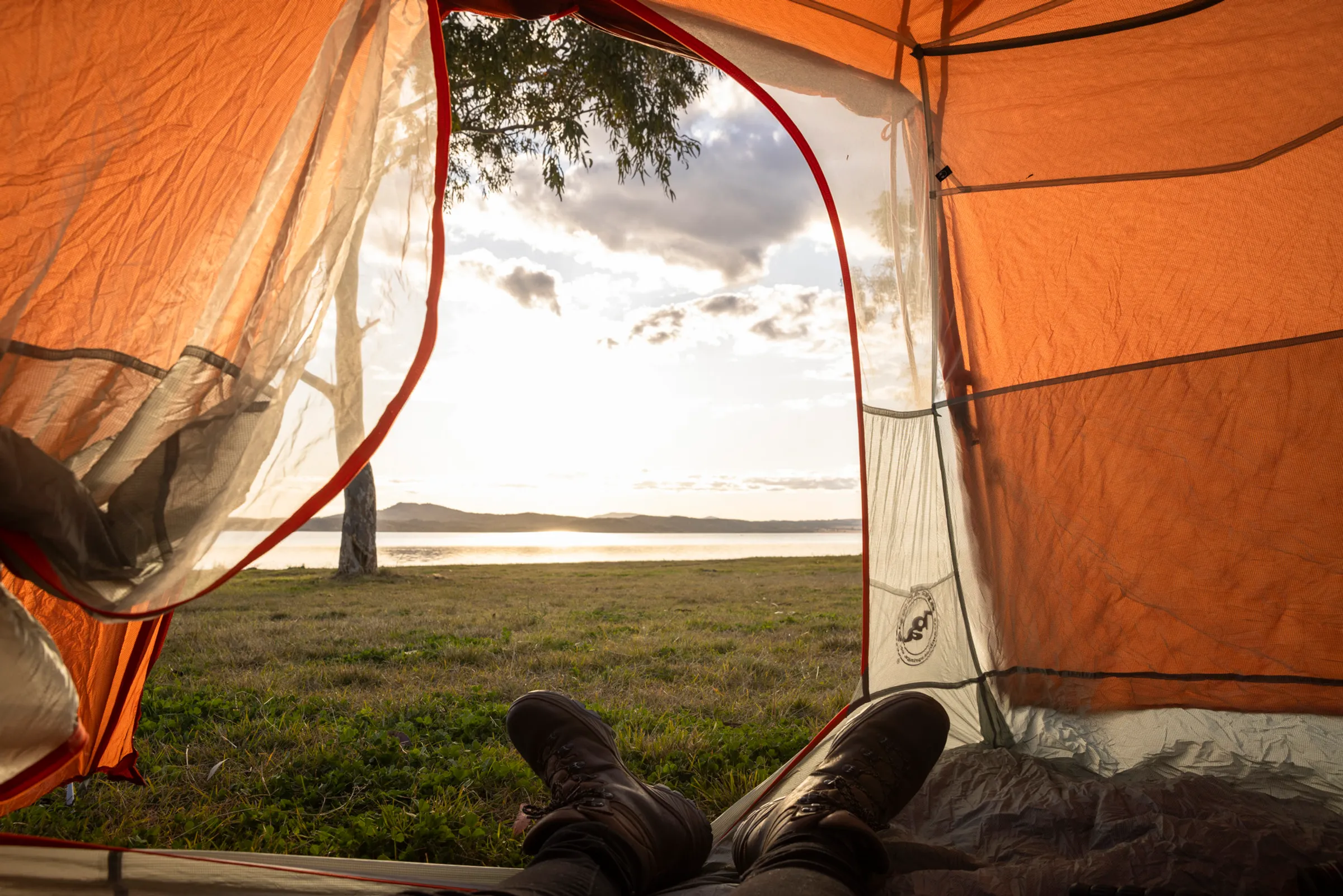
Tent camping
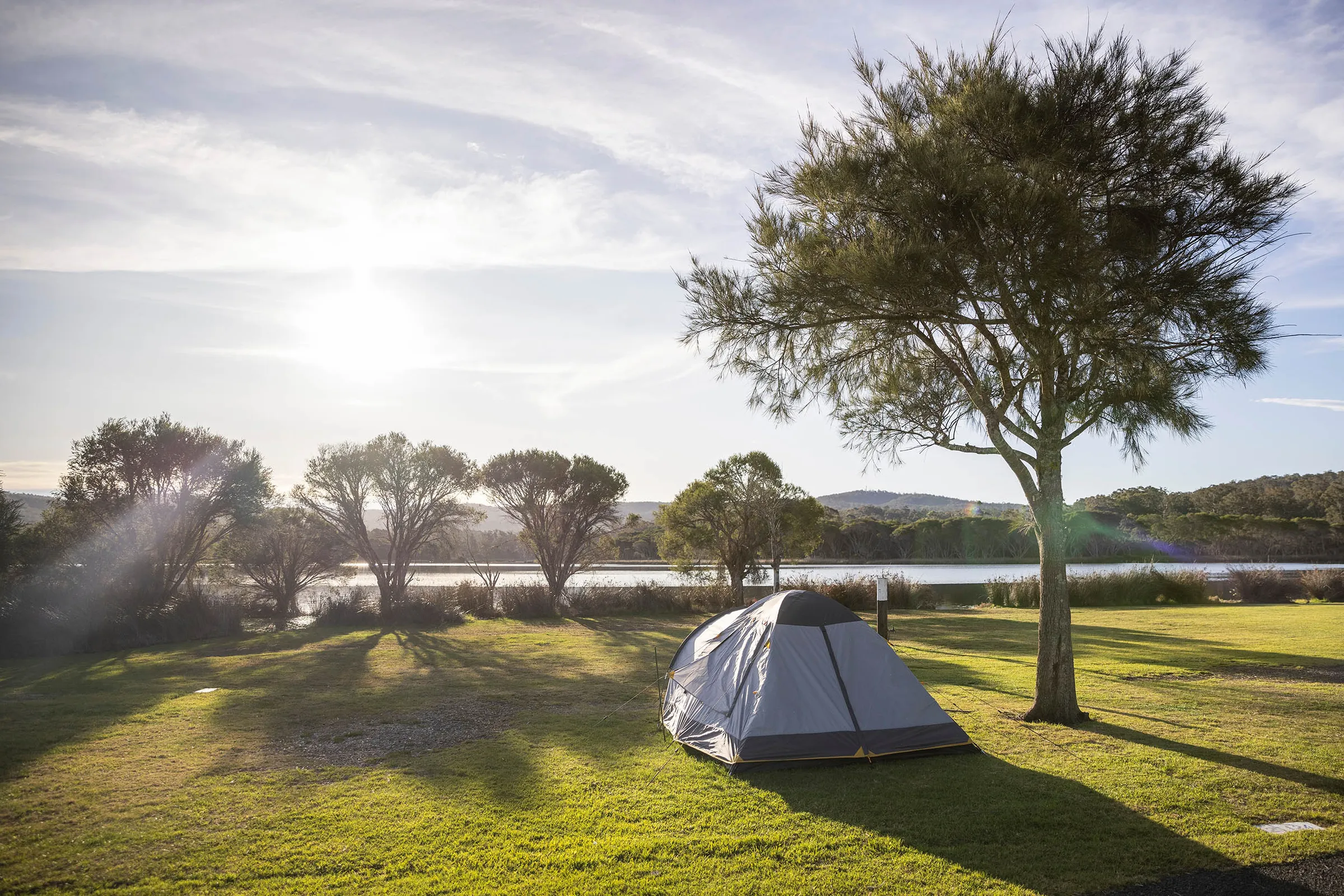
Camping in a tent is perhaps the most classic and iconic form of camping. It involves pitching a tent at a campsite, typically using poles and stakes, and sleeping inside. Tents come in various sizes and designs, from lightweight backpacking tents to spacious family-sized models. Tent camping offers a close connection to nature, allowing campers to immerse themselves fully in the outdoor experience.
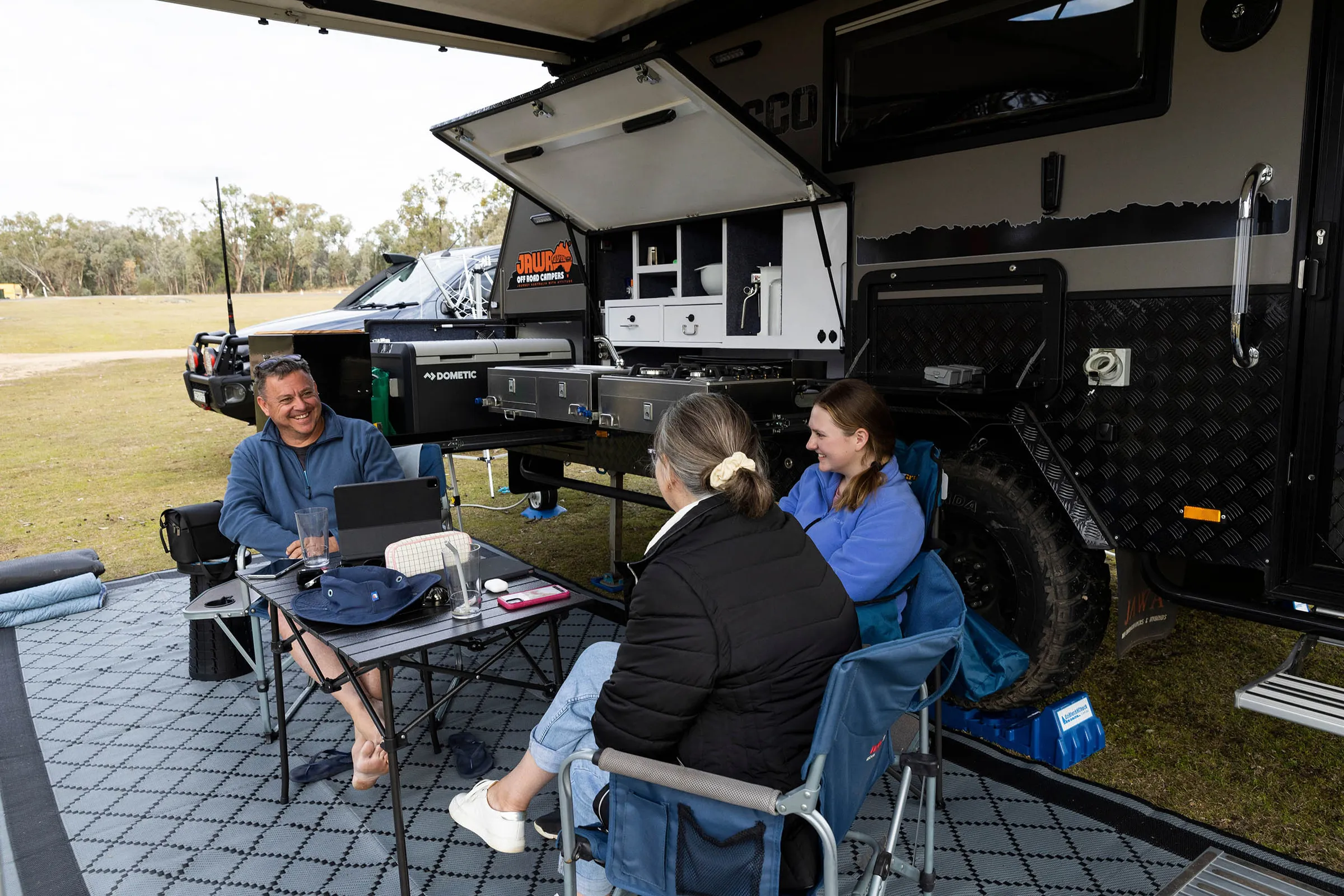
Caravan Camping
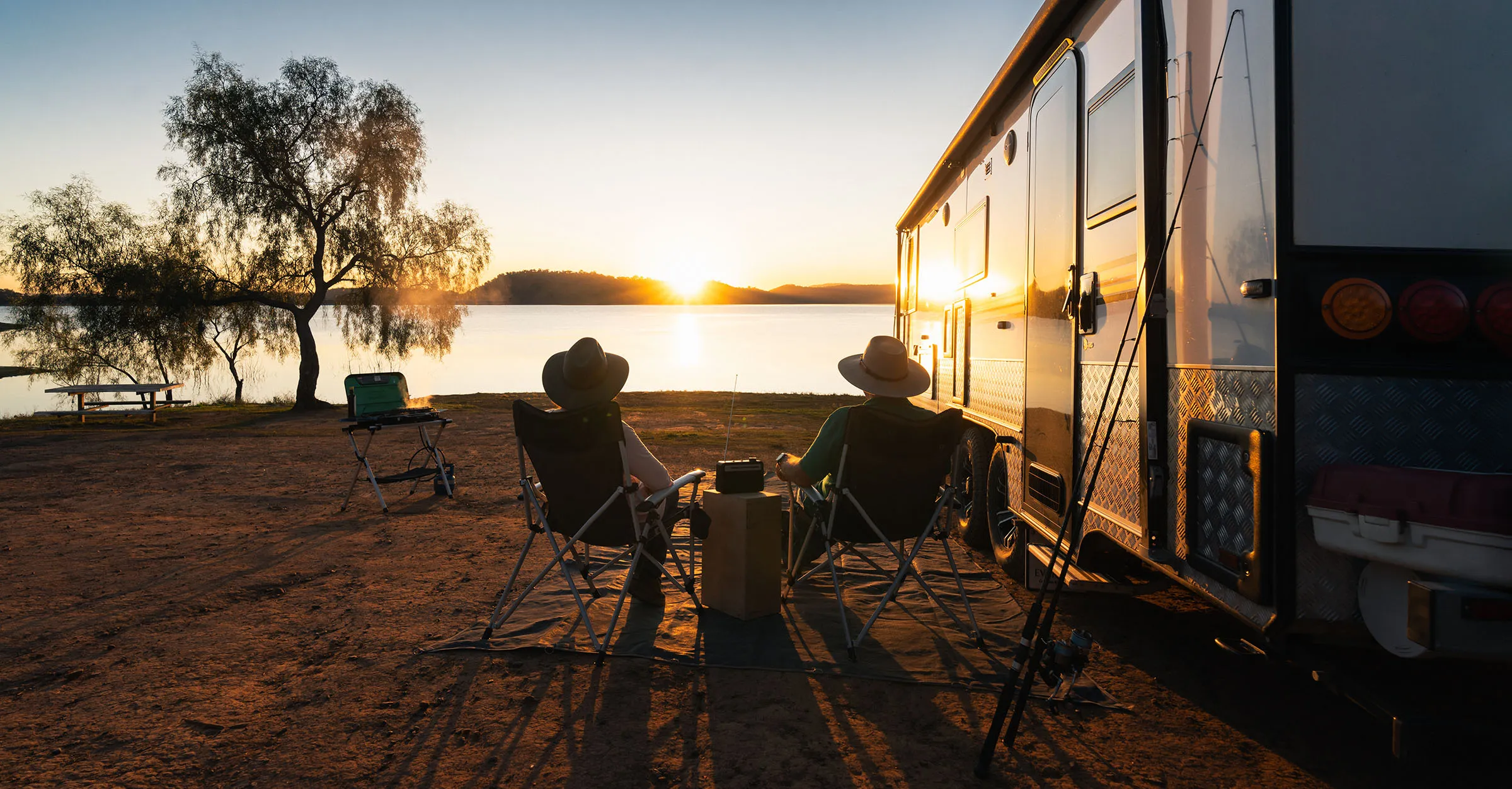
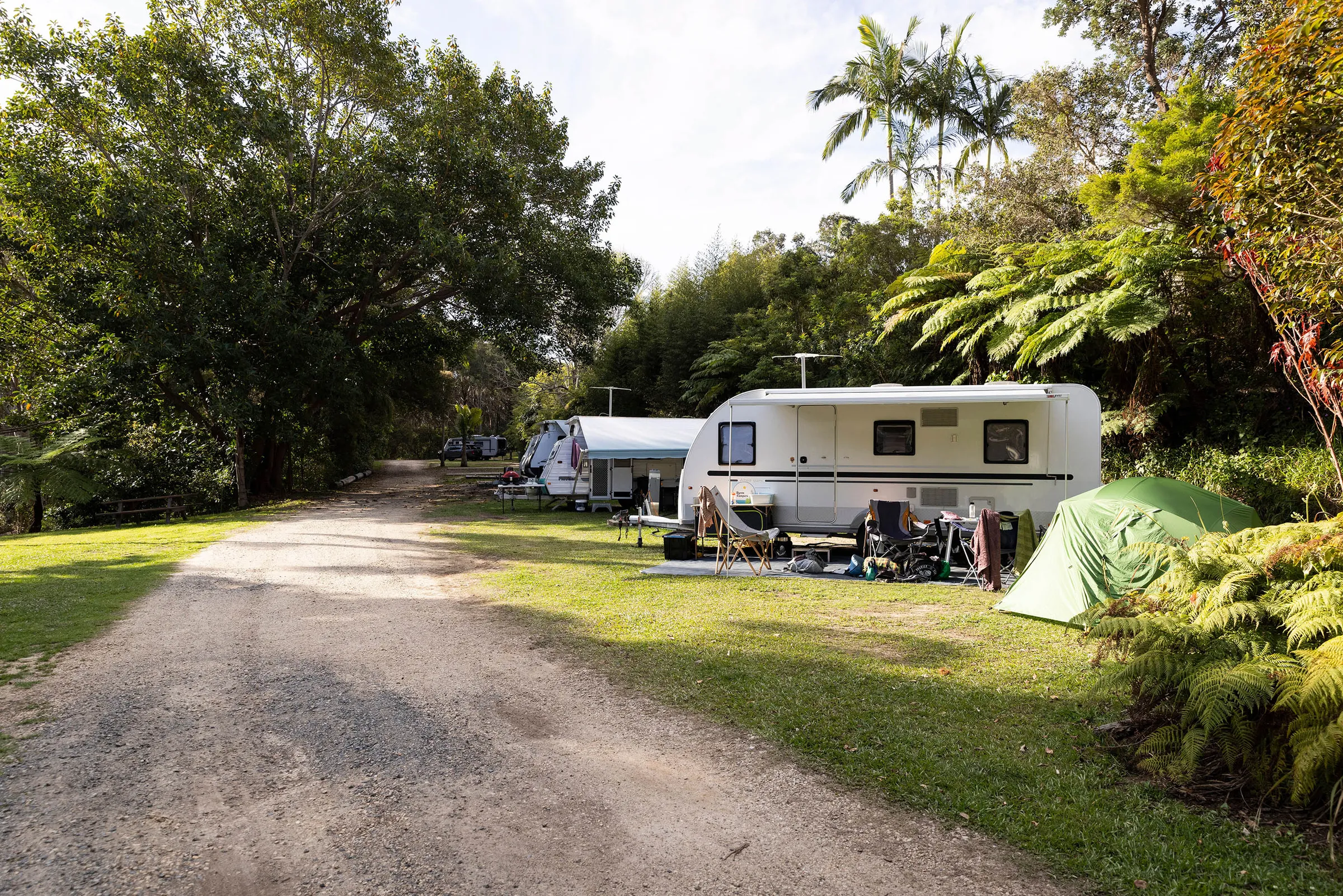
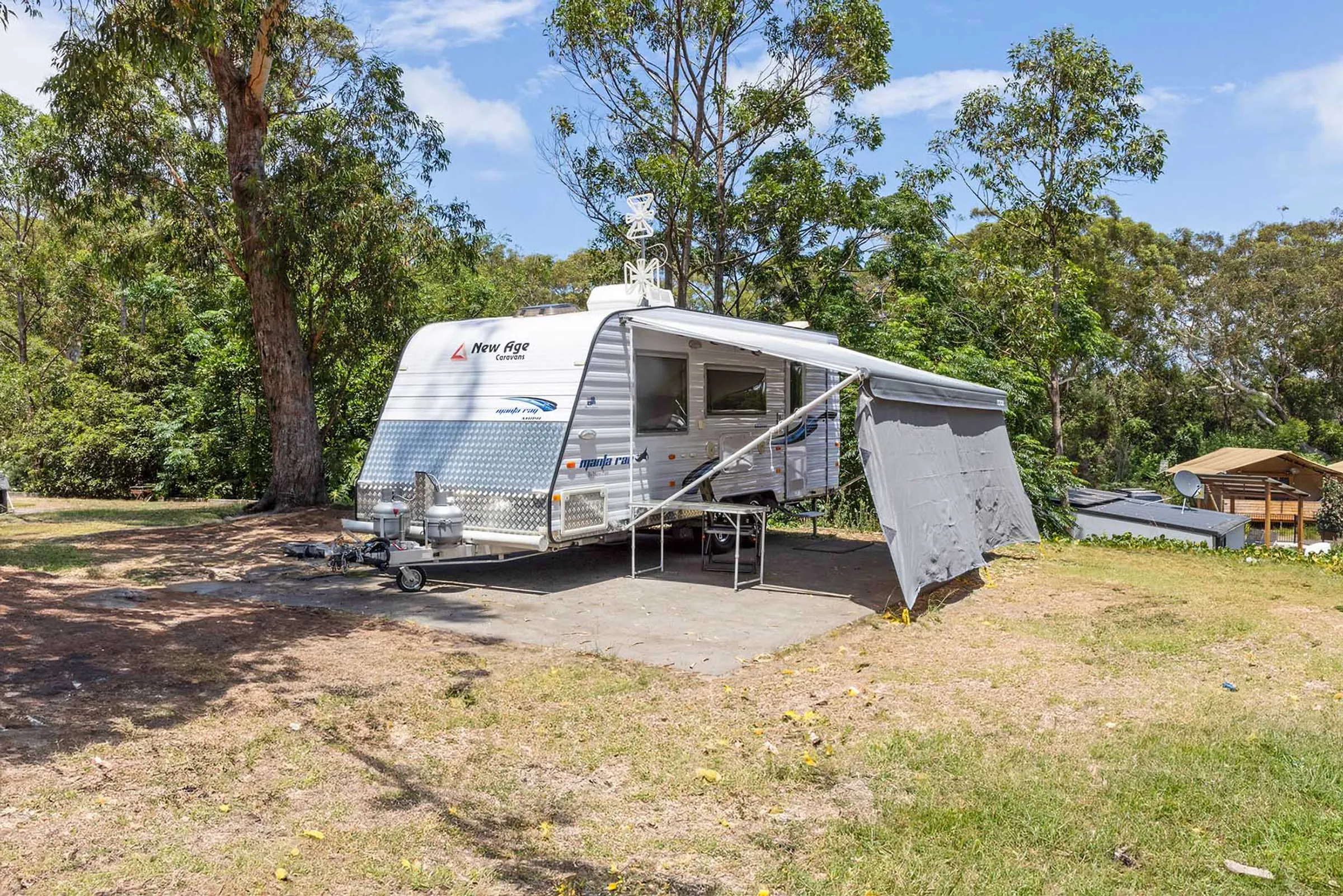
Caravan camping involves traveling with a towable caravan, which serves as a portable accommodation unit. Caravans come in a range of sizes and configurations, from compact models suitable for couples to larger, more luxurious options with all the comforts of home. Caravan camping provides the convenience of having a dedicated sleeping space and cooking facilities, making it popular among families and those who prefer a bit more comfort while on the road.
Motorhome camping
Motorhome camping, also known as RV (recreational vehicle) camping, involves traveling in a self-contained motorized vehicle equipped with living quarters. Motorhomes come in various classes, including Class A, B, and C, each offering different levels of size, amenities, and luxury. Motorhome camping provides the ultimate flexibility, allowing campers to travel to remote destinations while enjoying the comforts of home on wheels, without having to tow a caravan.
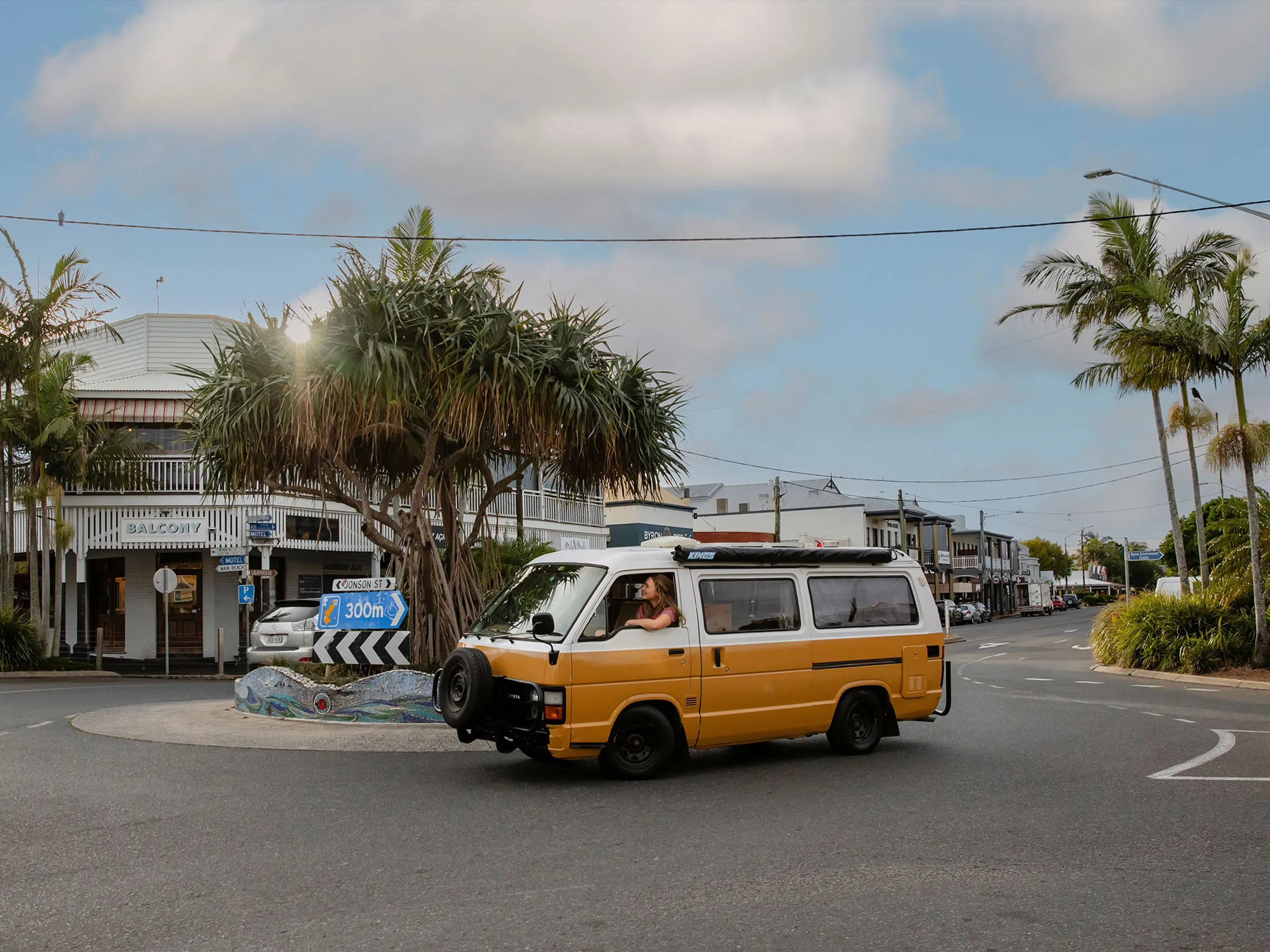
Campervan camping
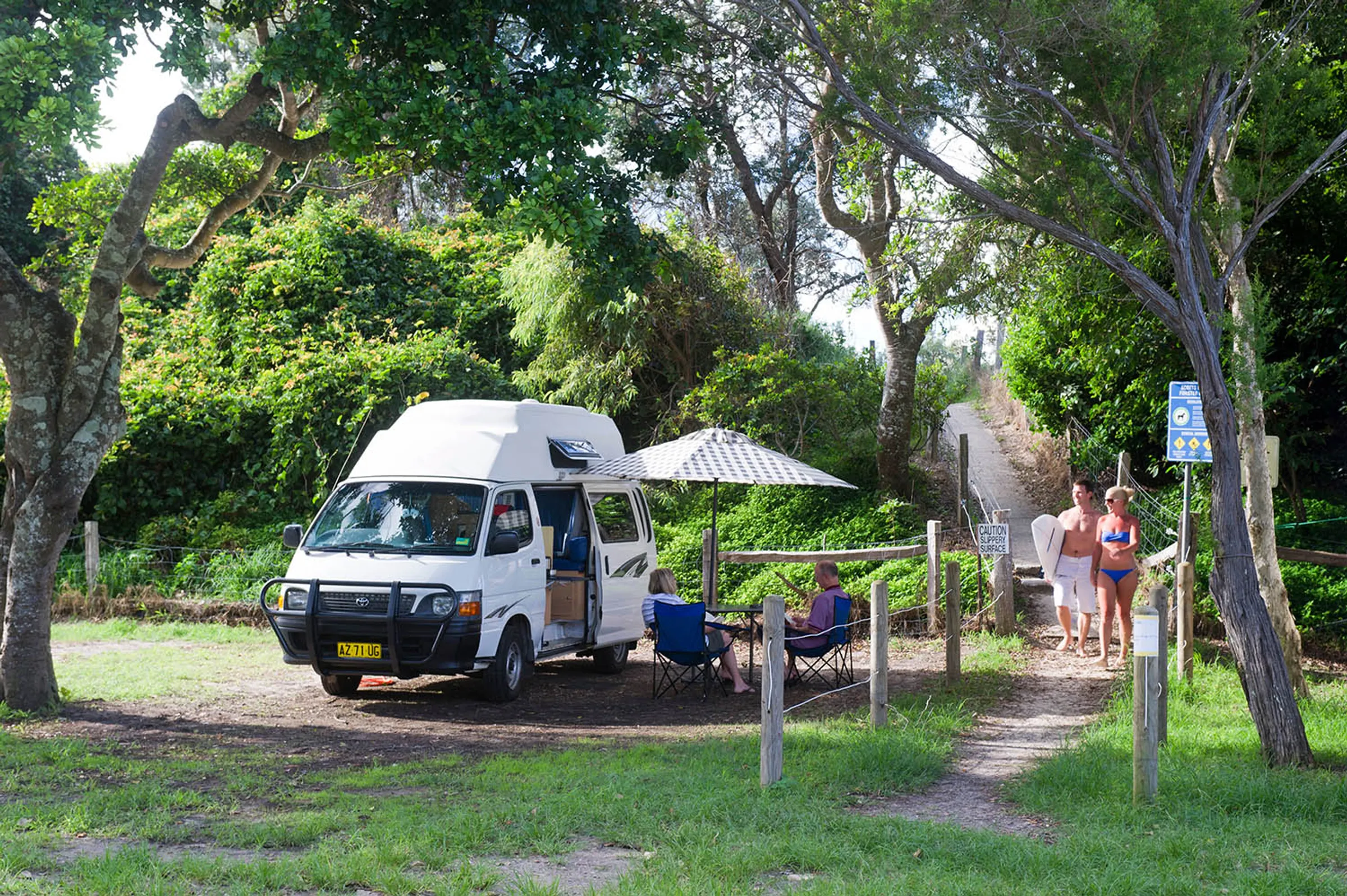
Campervans are compact vans that have been converted into basic living quarters, typically featuring a sleeping area, kitchenette, and storage space. Campervan camping is popular among solo travelers, couples, and small families looking for a convenient and affordable way to explore the great outdoors. Campervans offer the freedom to travel at your own pace and easily navigate both urban areas and remote wilderness destinations.
How to Choose the Right Campsite
No two camp set ups are ever quite the same, but no matter what or who you are travelling with, we have the perfect campsite.
Need power? Our site options include a choice of concrete slab, natural grass, artificial grass, and ensuite. Looking for a more classic camping experience or a scenic spot to pitch your tent? Our unpowered grassy sites are just for you.
Many of our parks offer pet-friendly sites and don't forget to check out each parks' amenities and facilities.
With our campsites generally located in picturesque NSW locations, you can't beat our water views whether you are inland, lakeside retreat or beach side, hitting the waves.
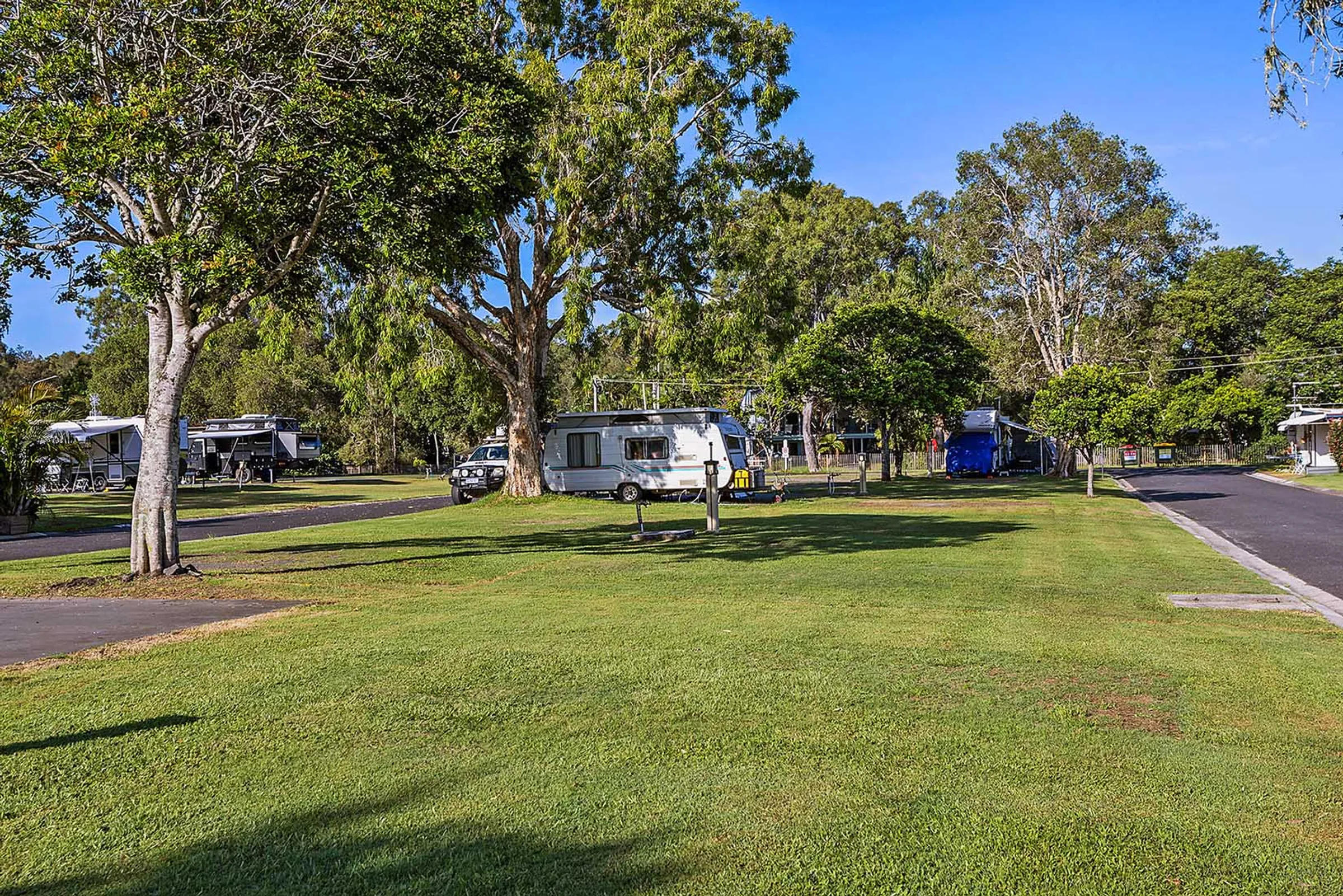
Grass campsites
Grass sites are typically natural, level areas covered with grass where campers can pitch their tents or bring their vans. Providing a softer surface for sleeping compared to other types of sites, grass sites are the site of choice for tents. Conditions can vary seasonally.
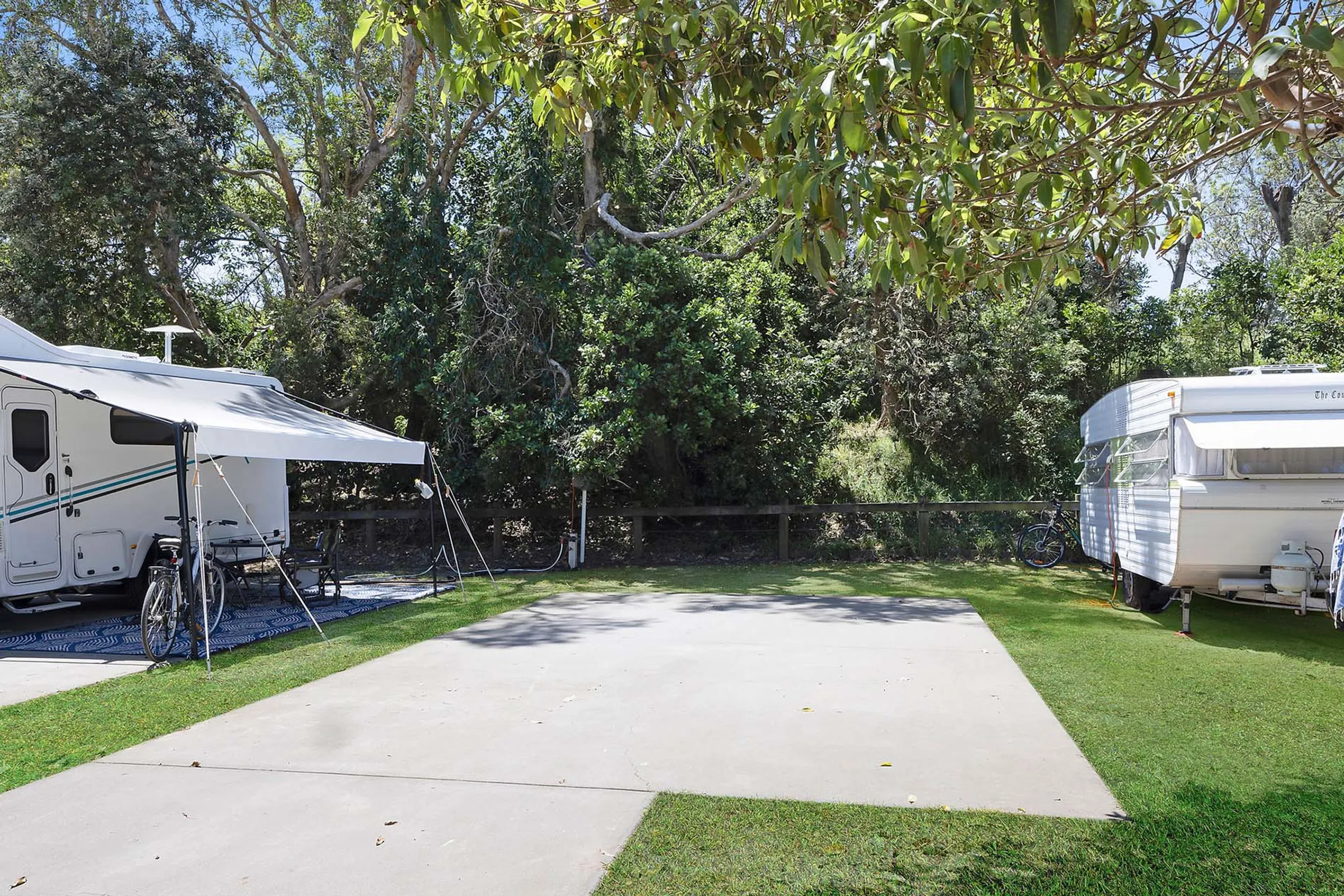
Slab sites
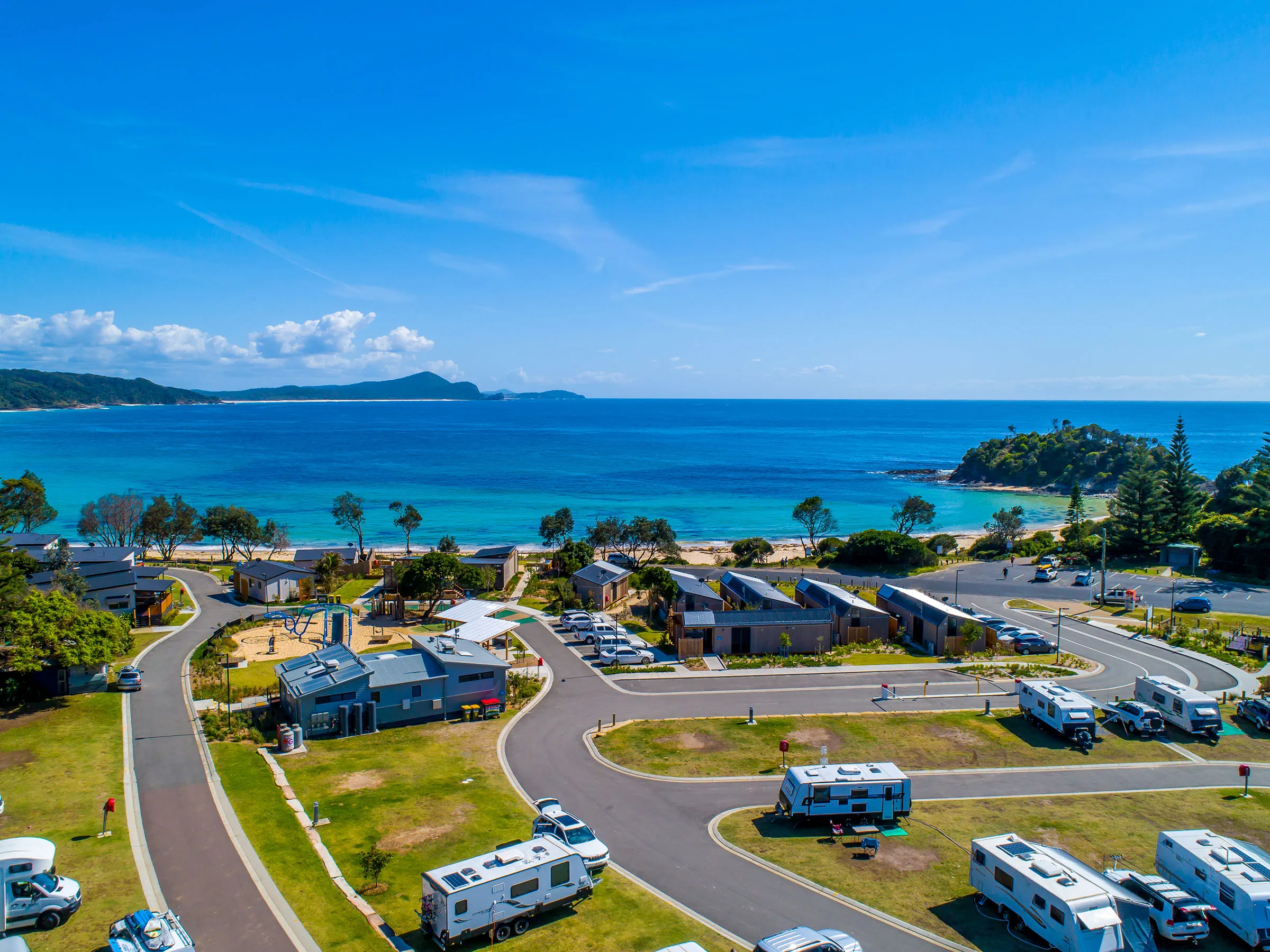
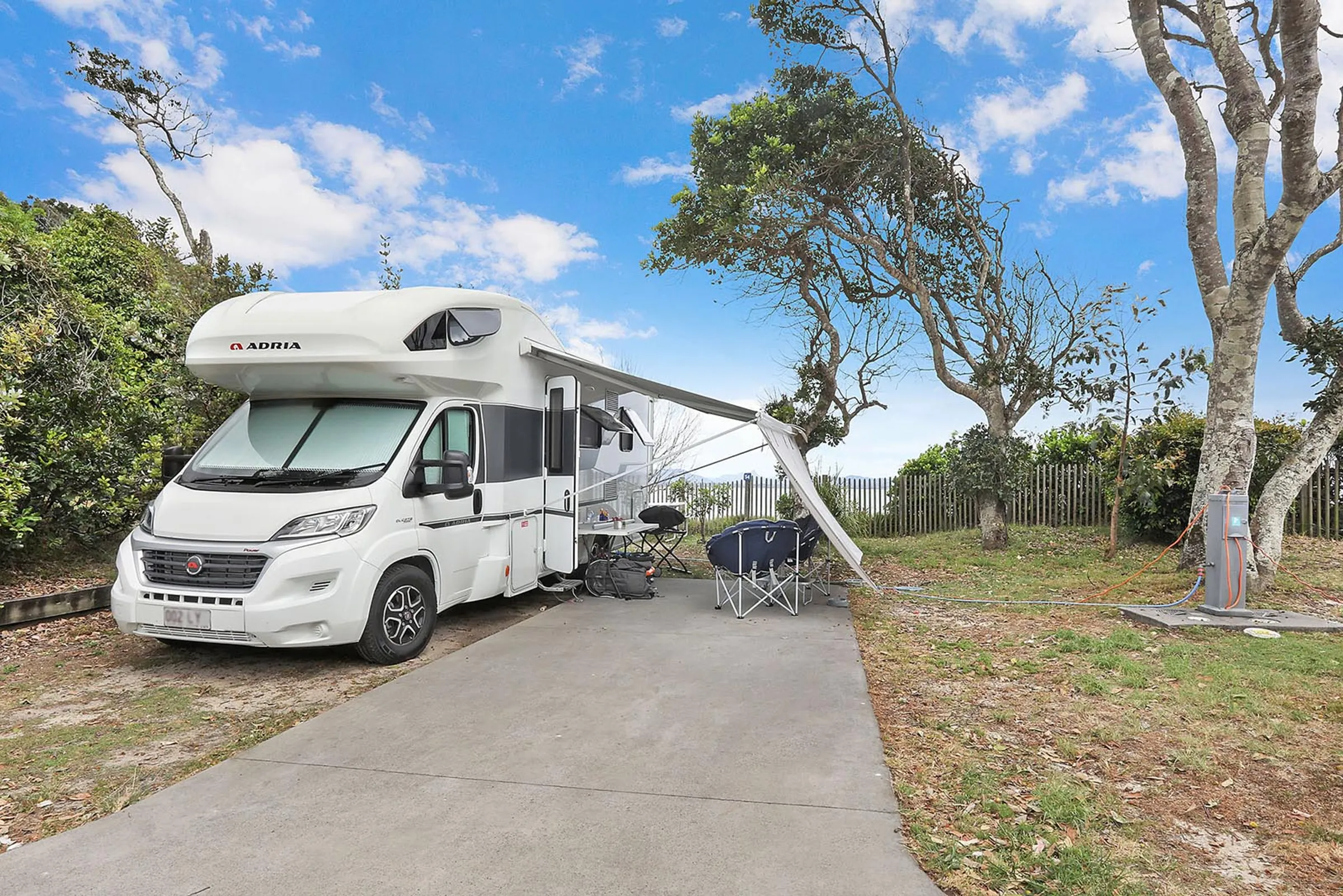
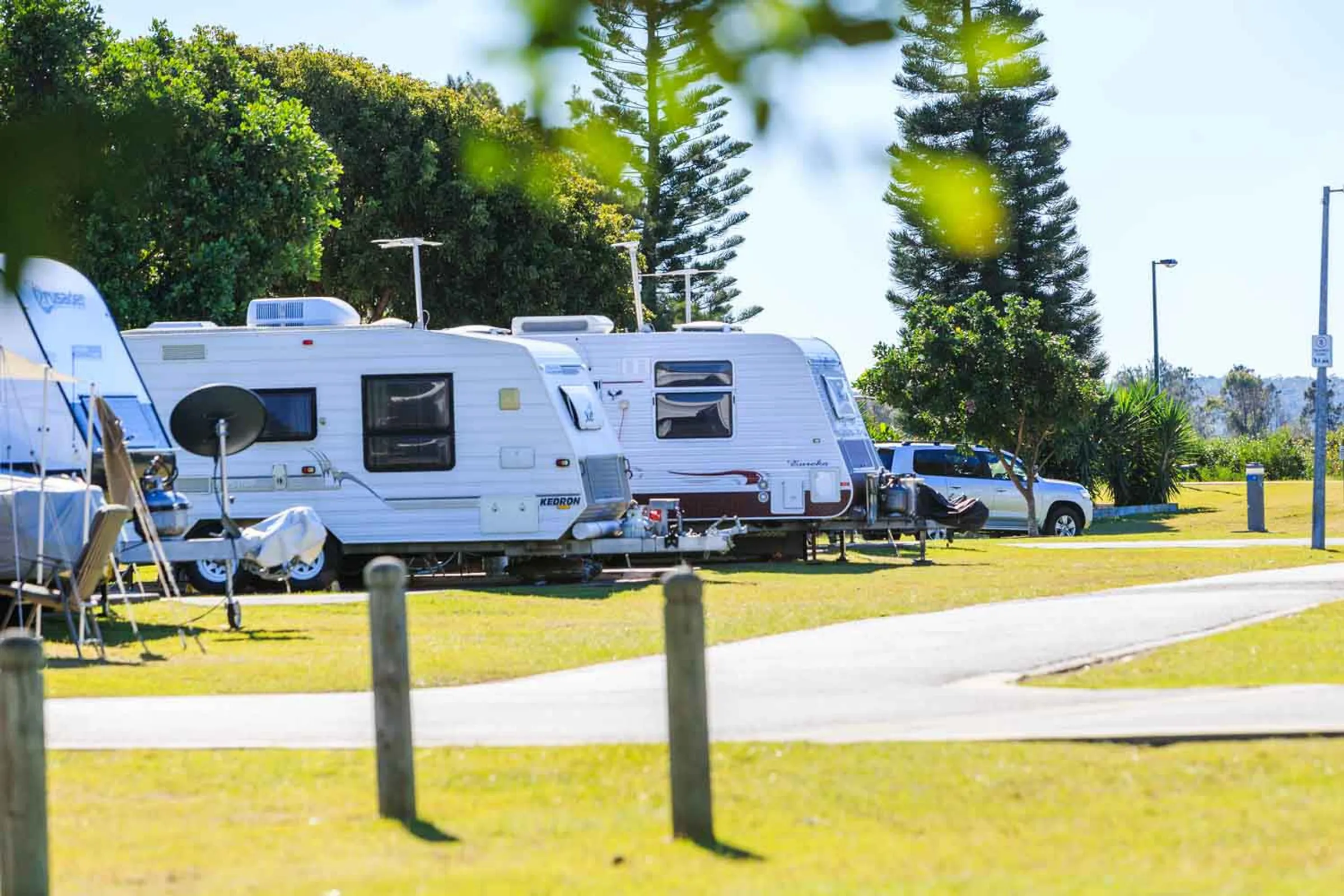
Slab sites, in single or double size, feature a concrete pad where campers can park their vehicles or set up their camping equipment. These sites are often found in caravan parks and are designed to provide a level surface for camping. Slab sites are popular among campers with caravans, motorhomes, or campervans, as they offer stability and convenience.
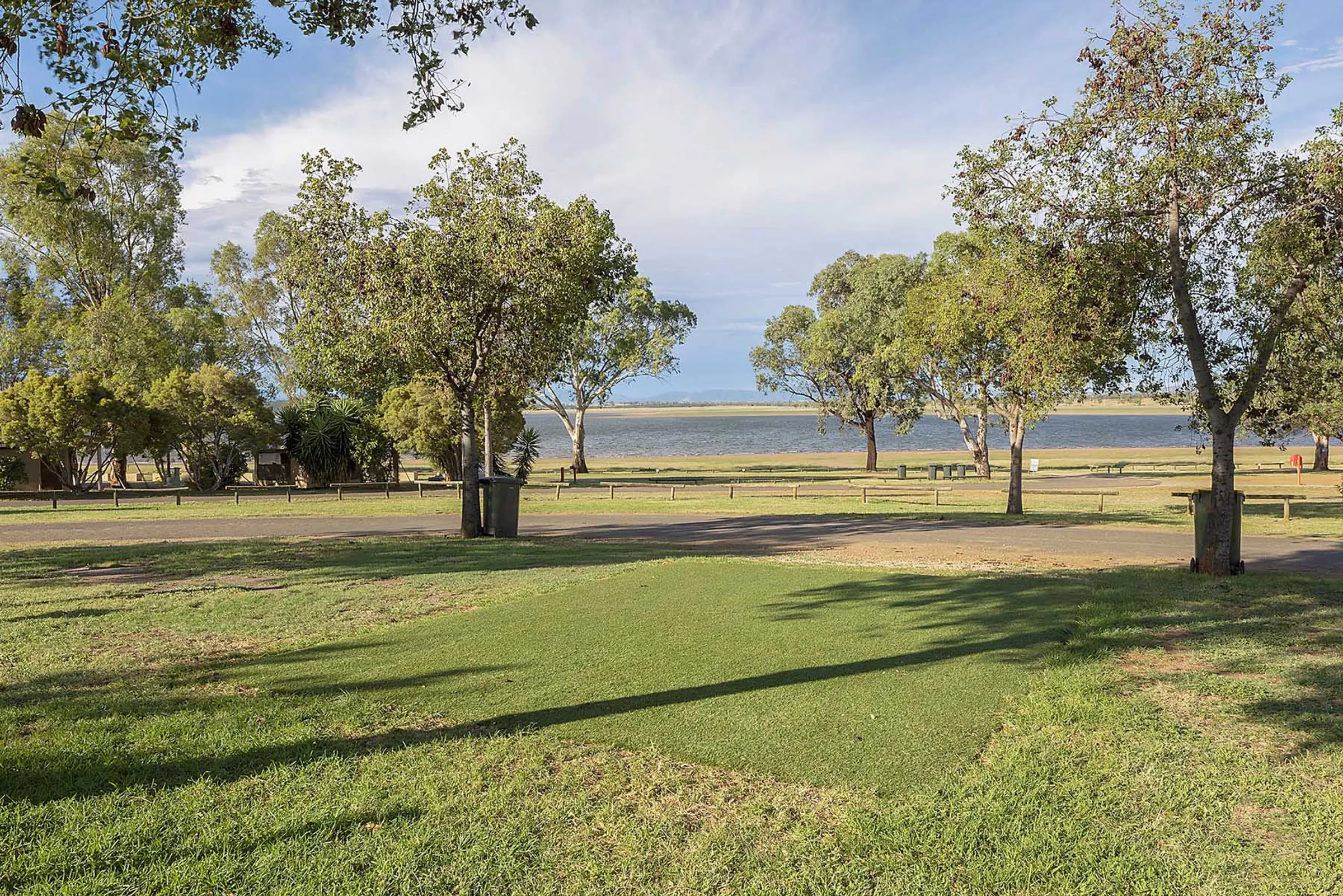
Astro/ artificial Sites
Astroturf sites are campsites covered with artificial turf or synthetic grass. Imagine less mess being walked into your tent or caravan and a permanently beautiful green campsite.
Dog friendly camping holidays
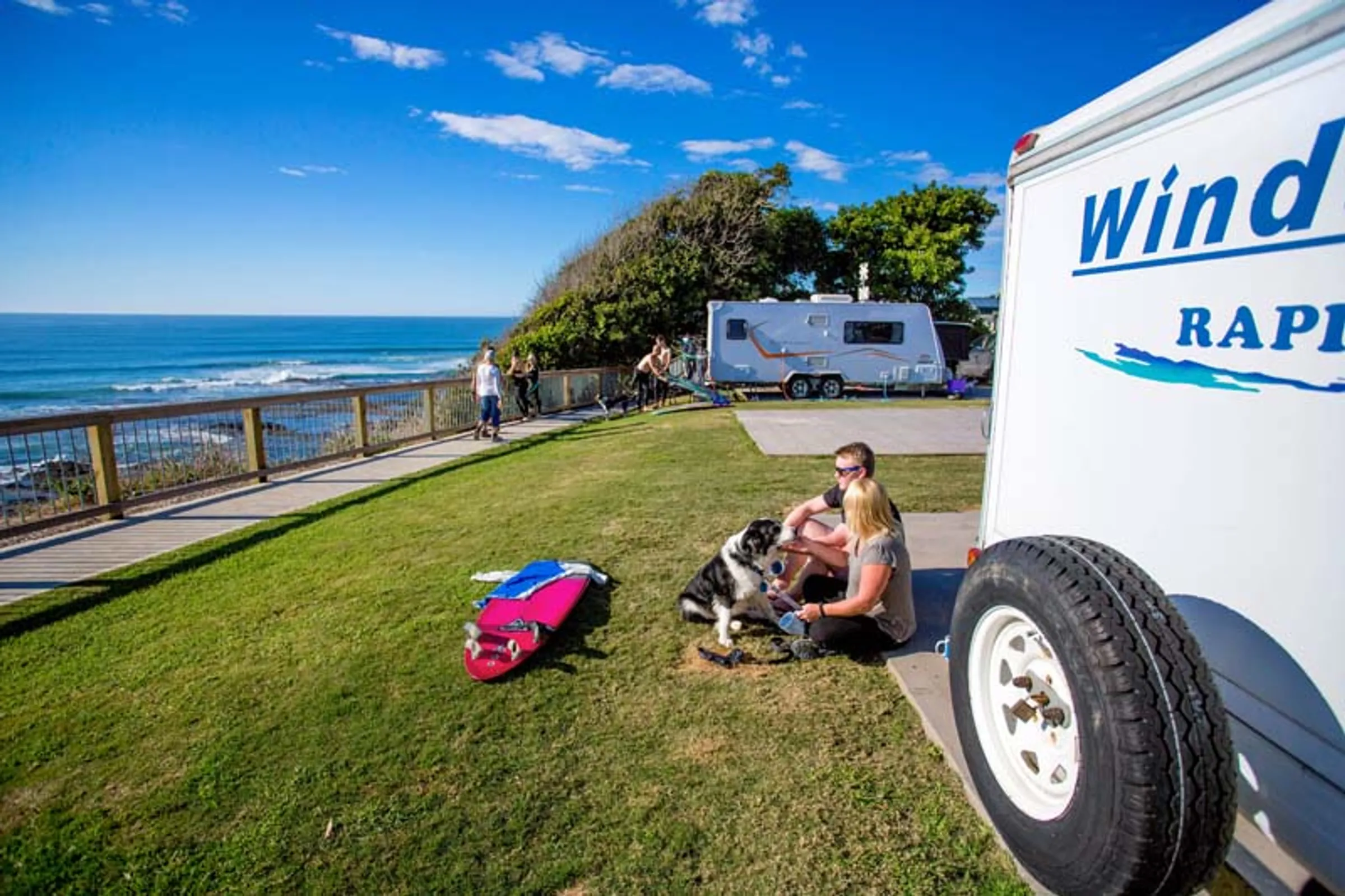
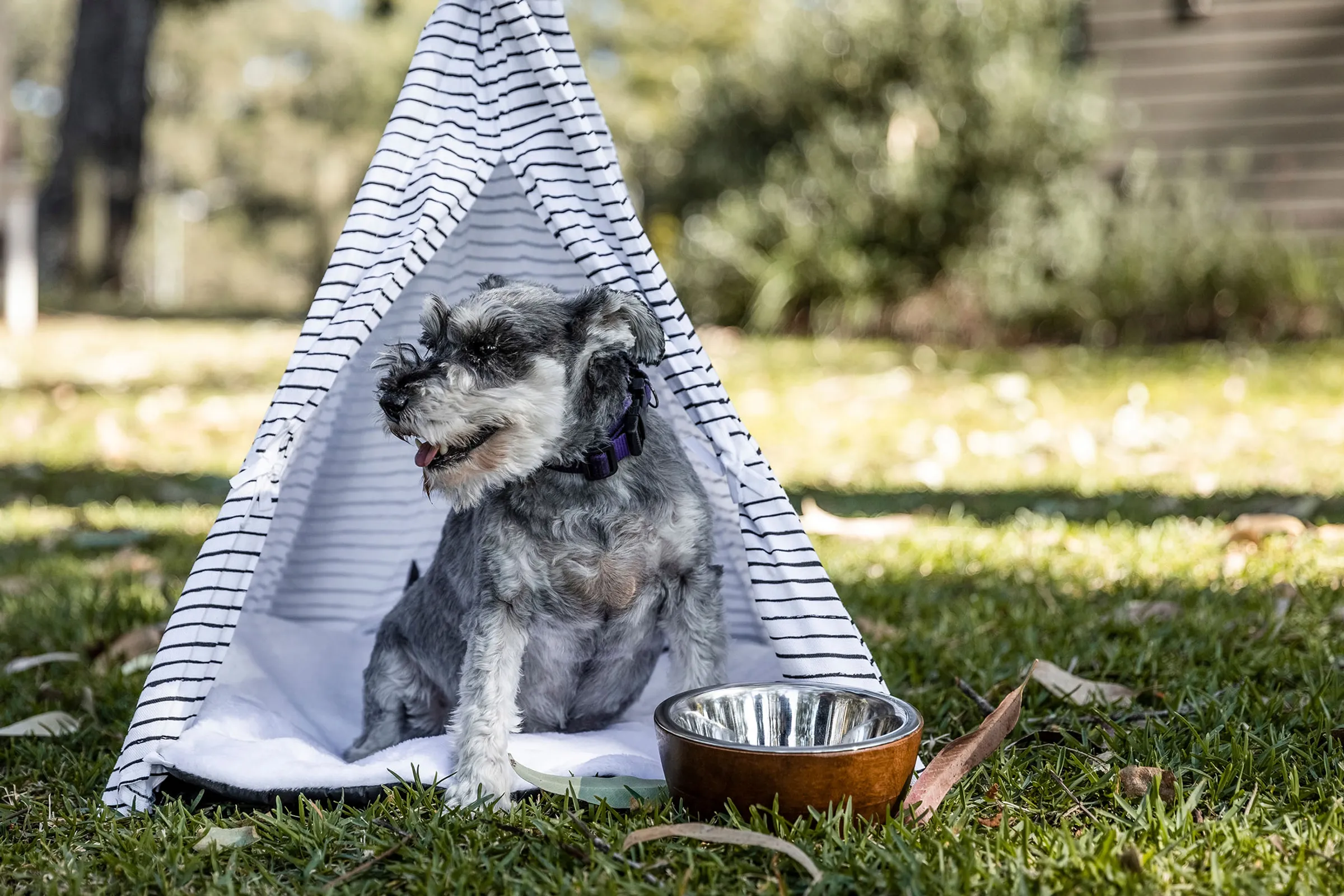
Most of our parks also offer dog-friendly camping, so your best friend can join in the holiday fun and enjoy exploring the great outdoors by your side!
There’s nothing worse than going on holiday and not being able to bring all the family. Which is why dogs are warmly welcomed on many of our campsites across NSW. Our dog-friendly holiday parks are all located close to off leash beaches or dog parks. Plus, many of them have dog wash areas too – perfect for a clean up after a sandy romp on the beach.
Bringing your four-legged friend on your next NSW camping trip is so easy.
Room to roam: extra-large campsites for extra fun
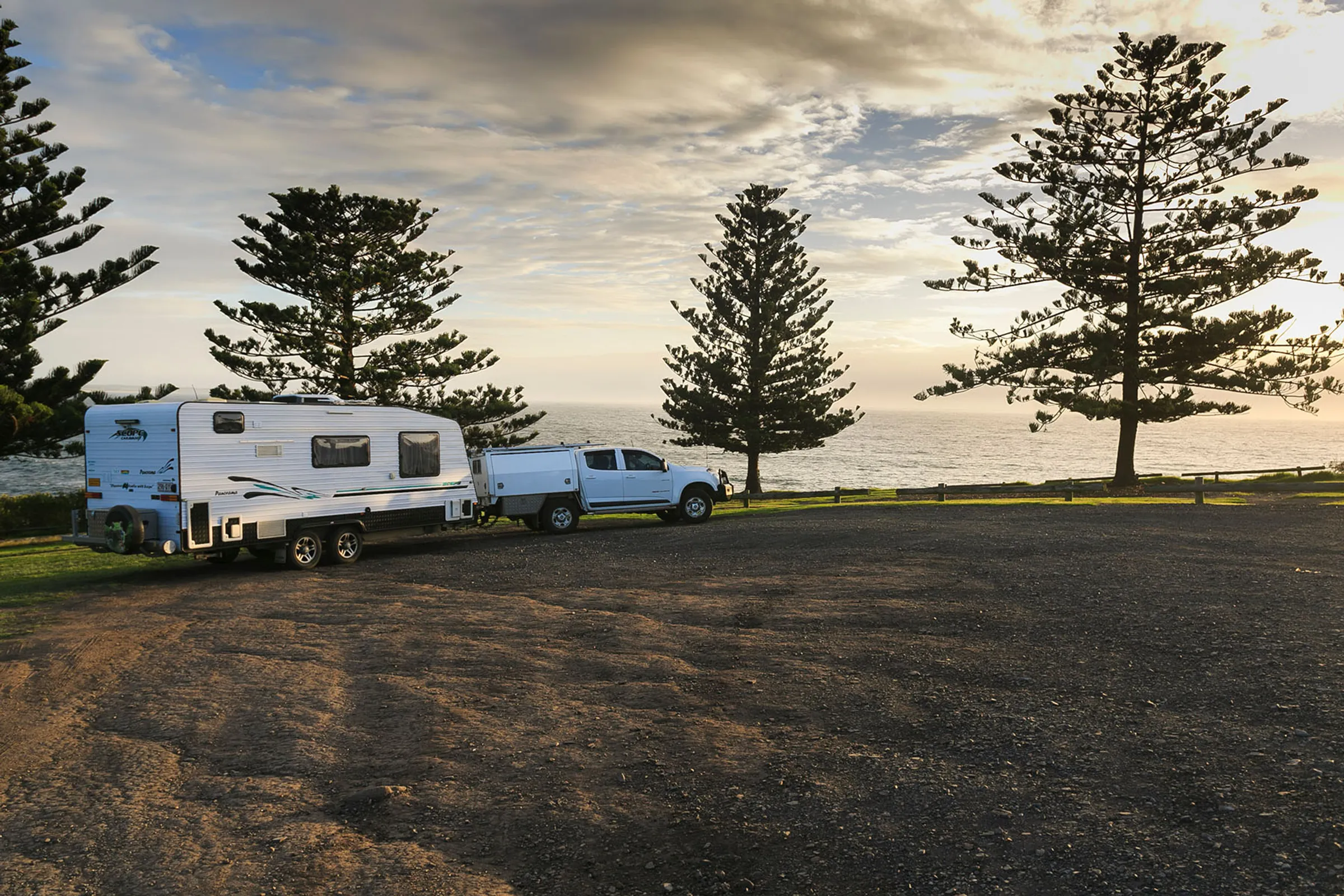
Travelling with a big rig? No problem! We have parks with extra-large (XL) campsites that have enough room for everyone and all your equipment too.
These sites are perfect if you have a large motorhome or caravan and want to spread out a little. And are also great when travelling with a boat, kayak, canoes or other water sports equipment.
Finding parking the large van a little tricky? Checkout our drive thru campsites - all the convenience with none of the parking stress.
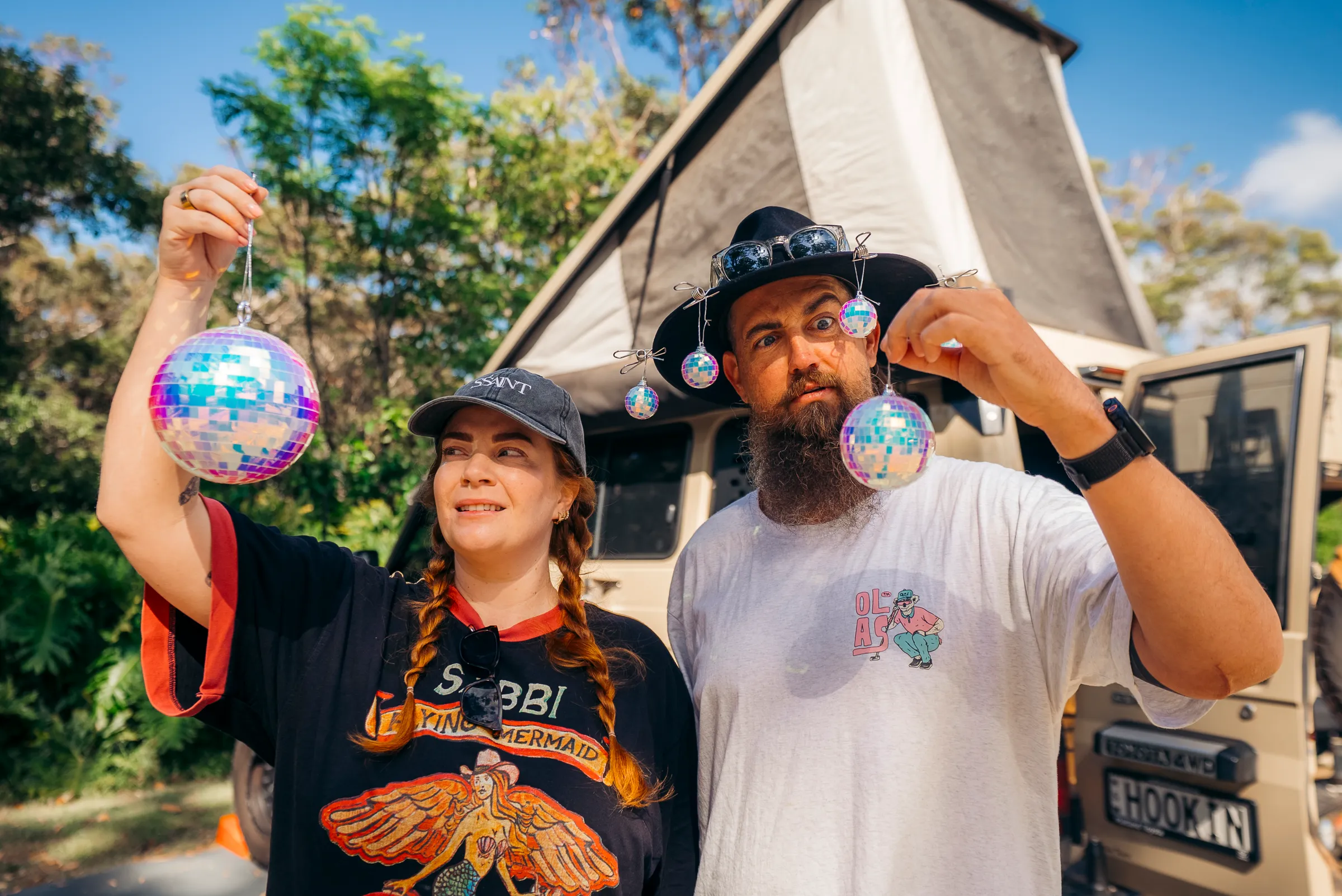
Camping hacks to lift your holiday
Real campers, real myth busting!
We've all seen those so-called life-changing camping hacks online, but do they actually work? Reflections got outside with some of our guests, putting to the test hacks across 5 camping categories.
We find out which viral ideas are a hack and which ones are just internet crap.
Frequently asked questions about camping in Australia
Didn’t find what you were looking for? We’re here to help. Get in touch here.
Didn’t find what you were looking for? We’re here to help. Get in touch below.
Have you got campsites in NSW that are right on the beach?
No, unfortunately, we don't offer on-the-beach camping, however, our coastal parks are so close to the beach that you are sometimes just a few steps from our park to the beach.
What size campsite to do I need?
The size of your campsite required depends on a variety of factors such as whether you plan to camp in a tent, caravan, campervan, or motorhome as well as how many guests are coming.
If you are bringing a caravan camper trailer, motorhome of campervan, there are legal requirements as to how much space you need around your van. This is why we ask for your equipment size when you a book a camping holiday with us.
What is an ensuite campsite?
For those who want a little extra comfort on a camping trip in NSW, powered ensuite sites come with a private bathroom with a toilet, sink and shower.
Can I have a campfire at Reflections Holidays?
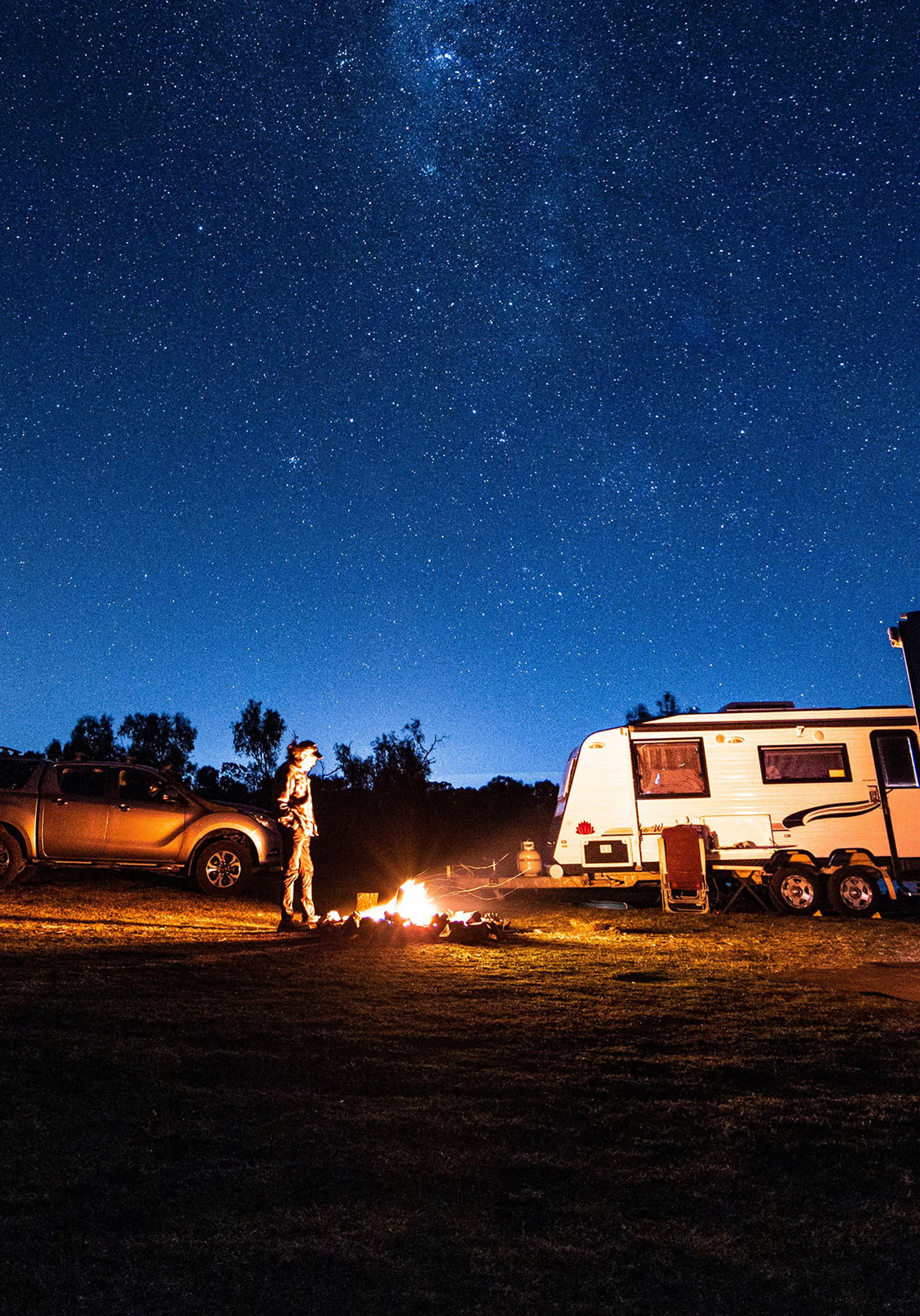
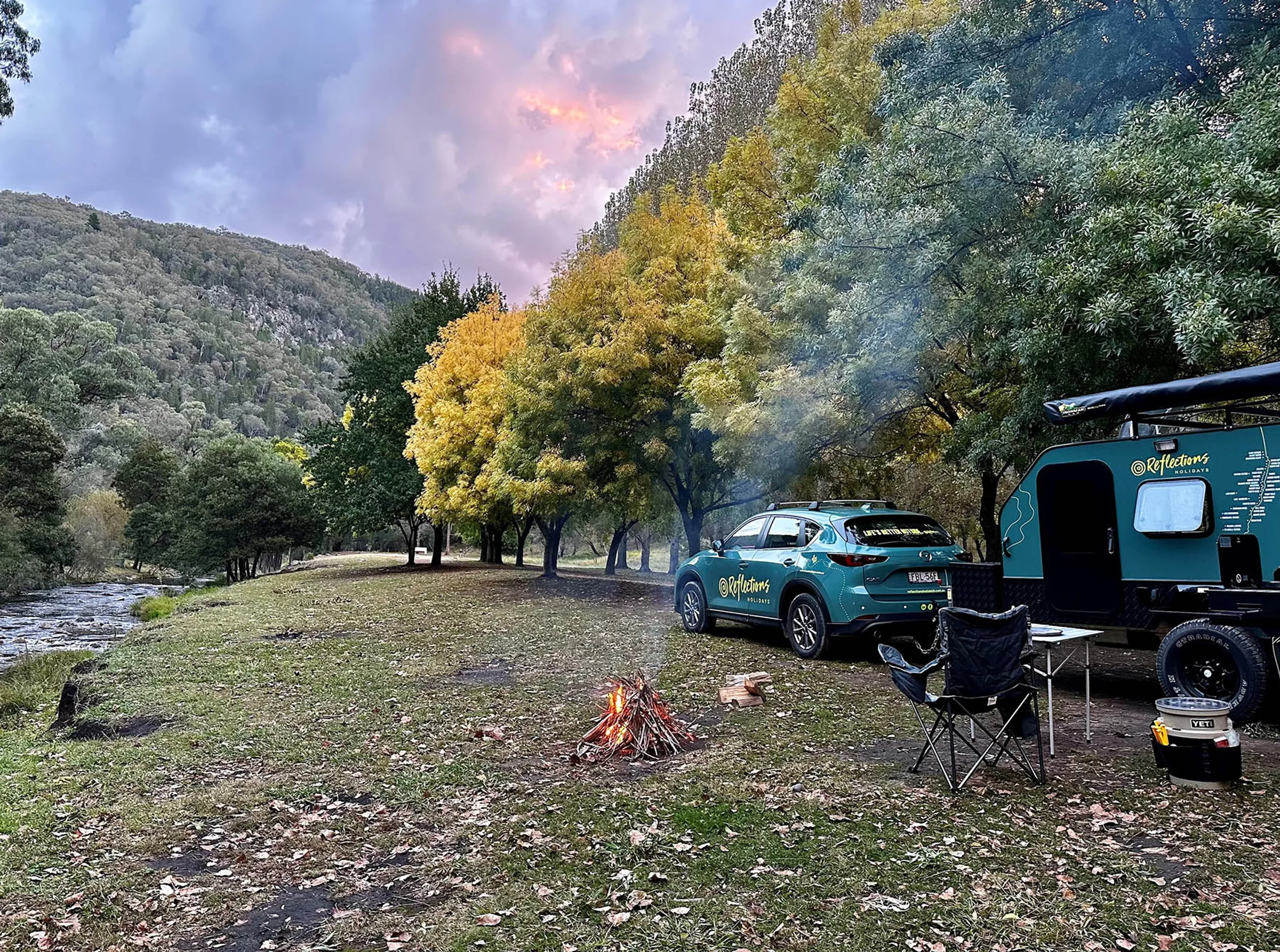
Many of our campsites in NSW permit campfires in the cooler months. Some also have communal fire pits that provide a great chance to connect with other travellers.
What is the best season for a camping trip in NSW?
That depends on what activities you want to do. Generally, the cooler months are best for hiking and nature walks, while summer is ideal for swimming and beach fun. However, the milder climate of the Far North Coast regions of NSW means you can swim most of the year.
What is the difference between camping and glamping?
Glamping means adding a touch of glamour to your camping experience. So rather than a sleeping bag on the ground, you may have a bed with a duvet. At Reflections we offer a range of glamping experiences in comfortable safari tents – some are truly next level with kitchenette, ac and tv. For more details checkout our camping versus glamping article here.
Are all Reflections Holidays locations dog friendly?
At Reflections we love dogs, and we know how important bringing your doggo on a camping trip can be. Which is why many of our campsites in NSW allow up to two dogs per site.
Most of our dog-friendly parks offer dog wash facilities and some even have enclosed off leash play areas. Check our dog-friendly parks page for more details.
More ways to stay
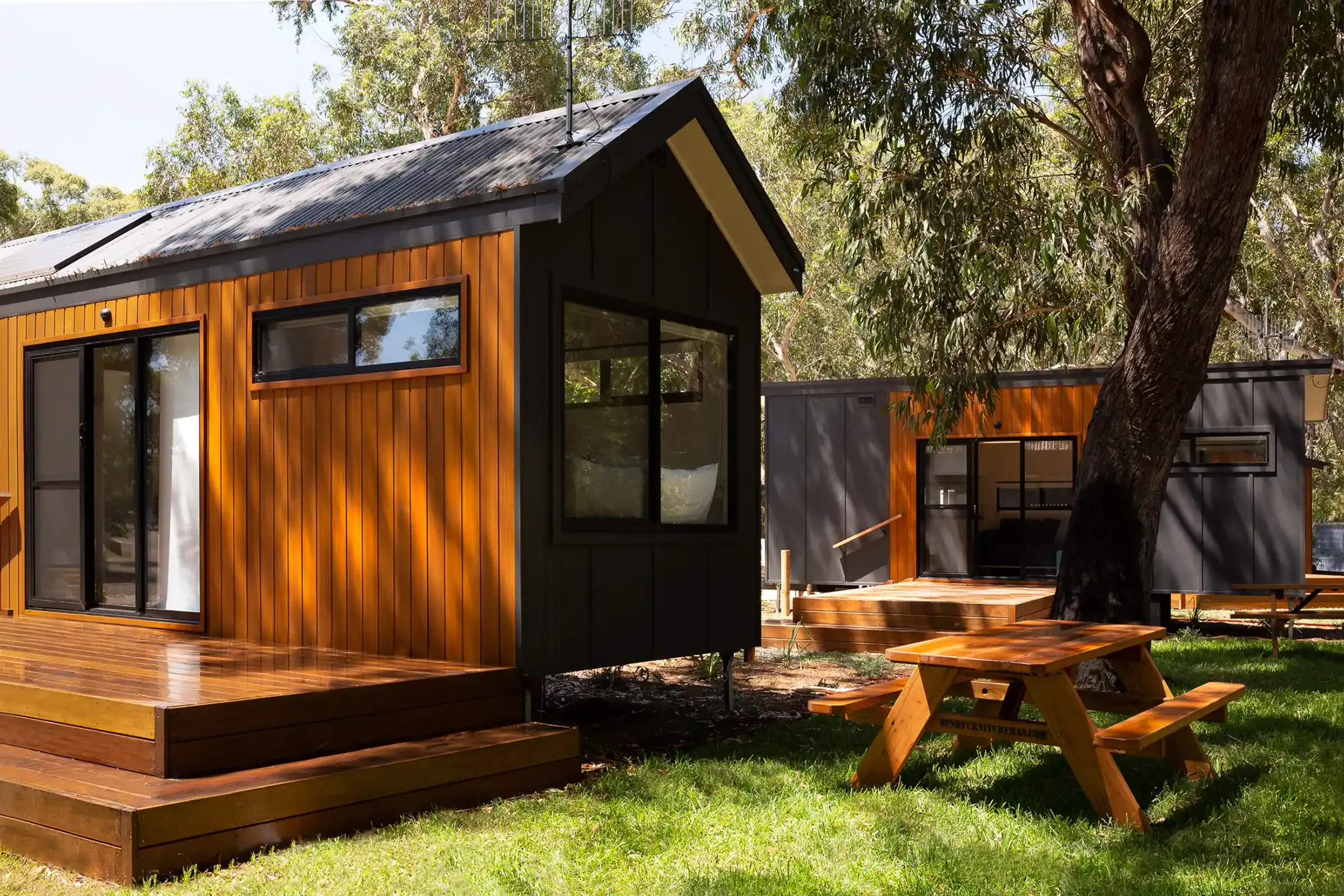
Looking for that unique holiday experience? Our Tiny Homes are certainly compact, but brimming with comfort, convenience and style.
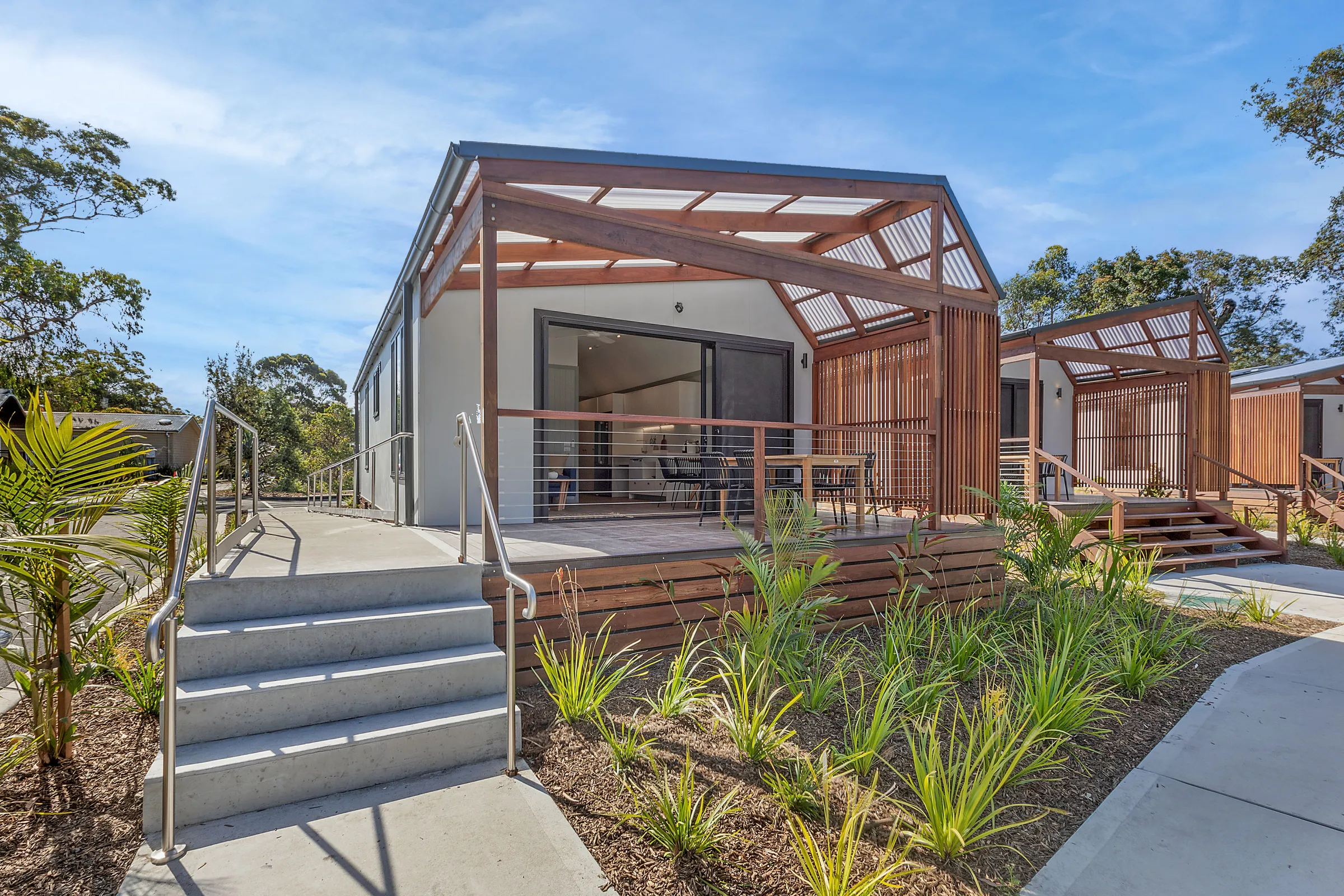
Our well-designed cabins are perfect for those who prefer to pack light, and with many boasting water or parkland views, you may find them hard to leave!
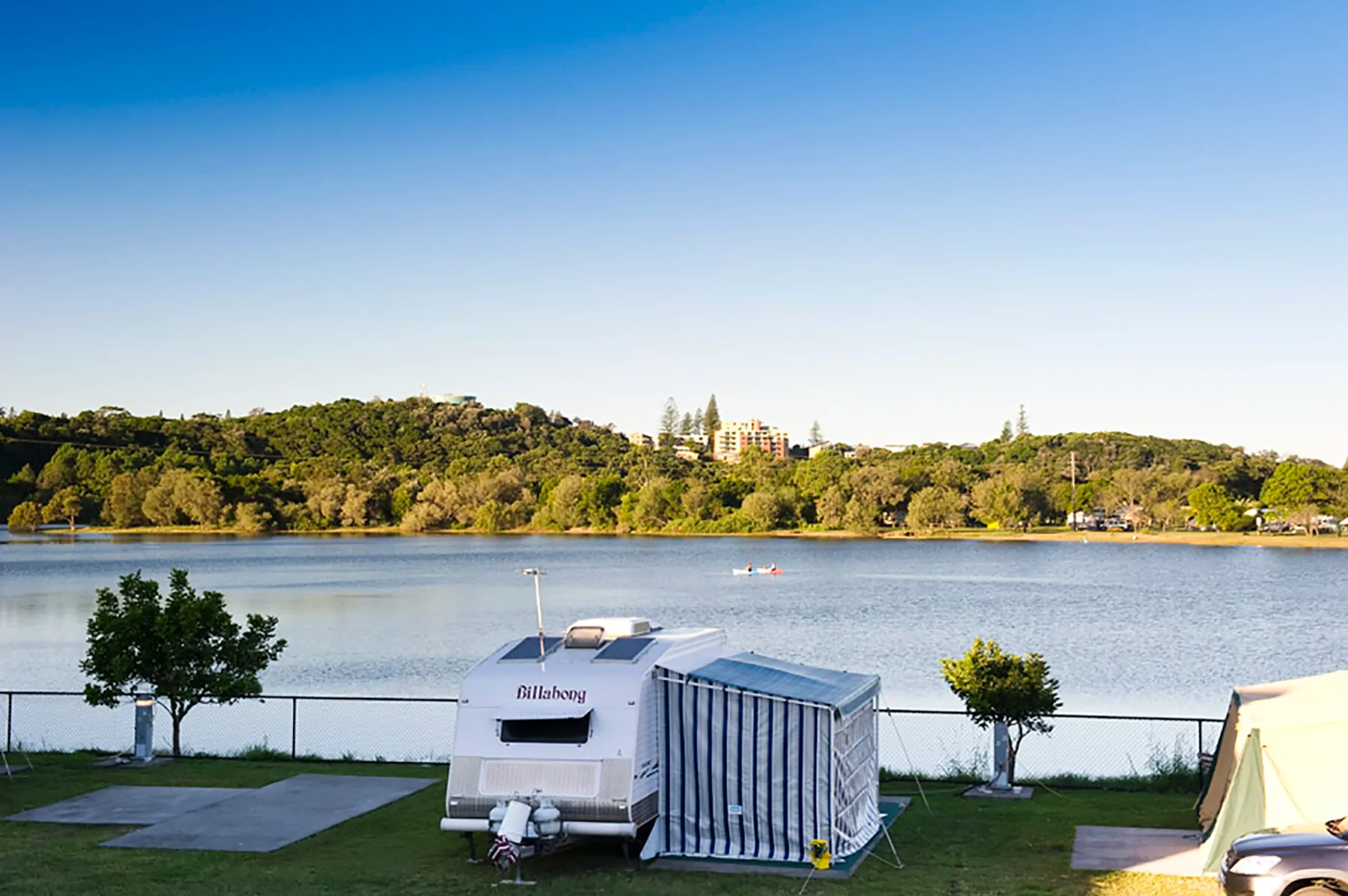
Your holiday is your choice when bringing your caravan, campervan or RV to a Reflections Holidays where your choices not only include powered or unpowered, but a host of add-ons to bump your holiday from dreamy to amazing!