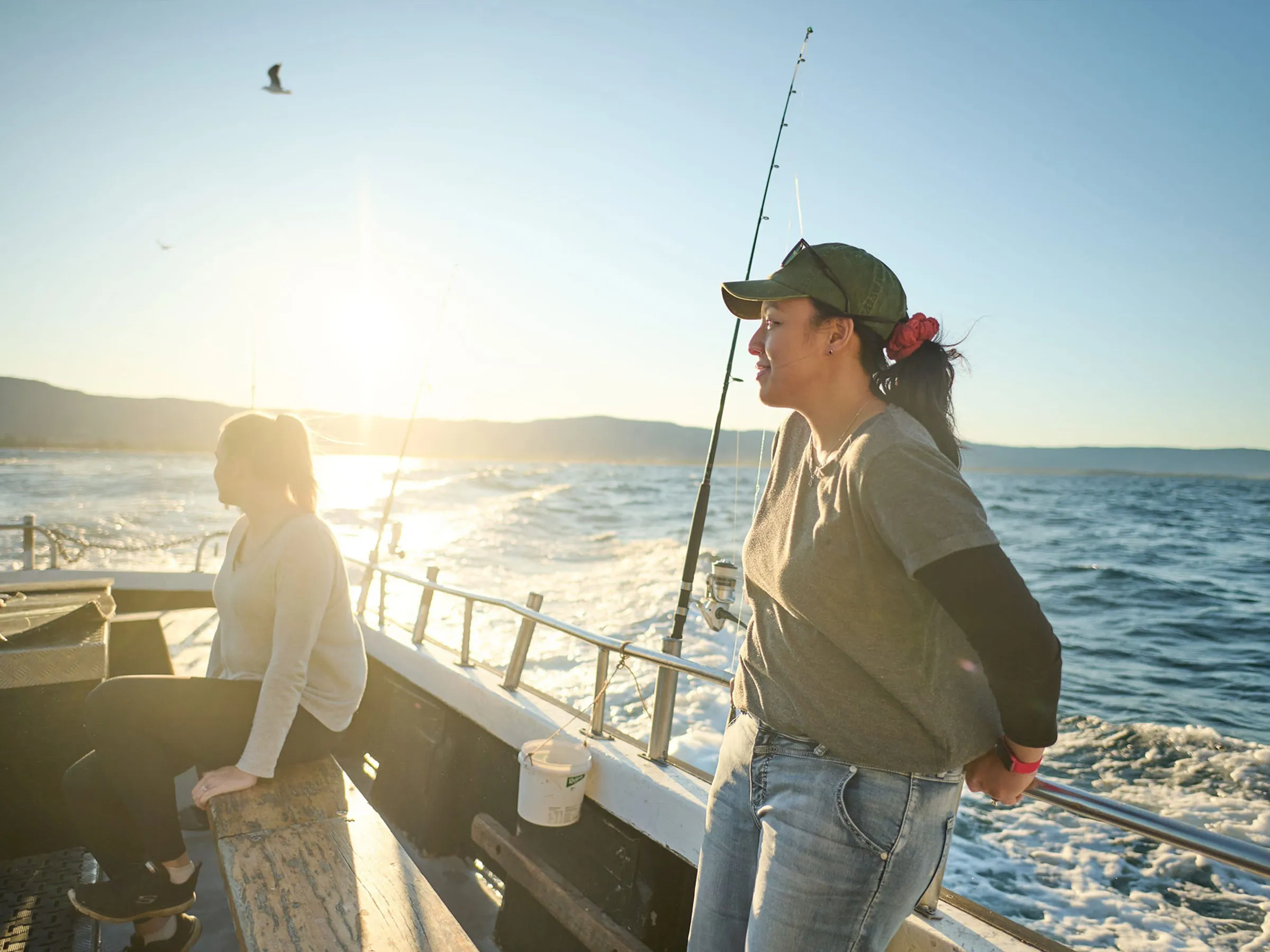
Fishing is a hugely popular pastime in New South Wales, and it’s easy to see why. From sparkling coastal waters to peaceful inland lakes and dams, the state is brimming with fantastic fishing opportunities.
To make sure your next trip is truly brimming with success, here are our top tips — plus a few beginner-friendly pointers to help you get started with confidence.
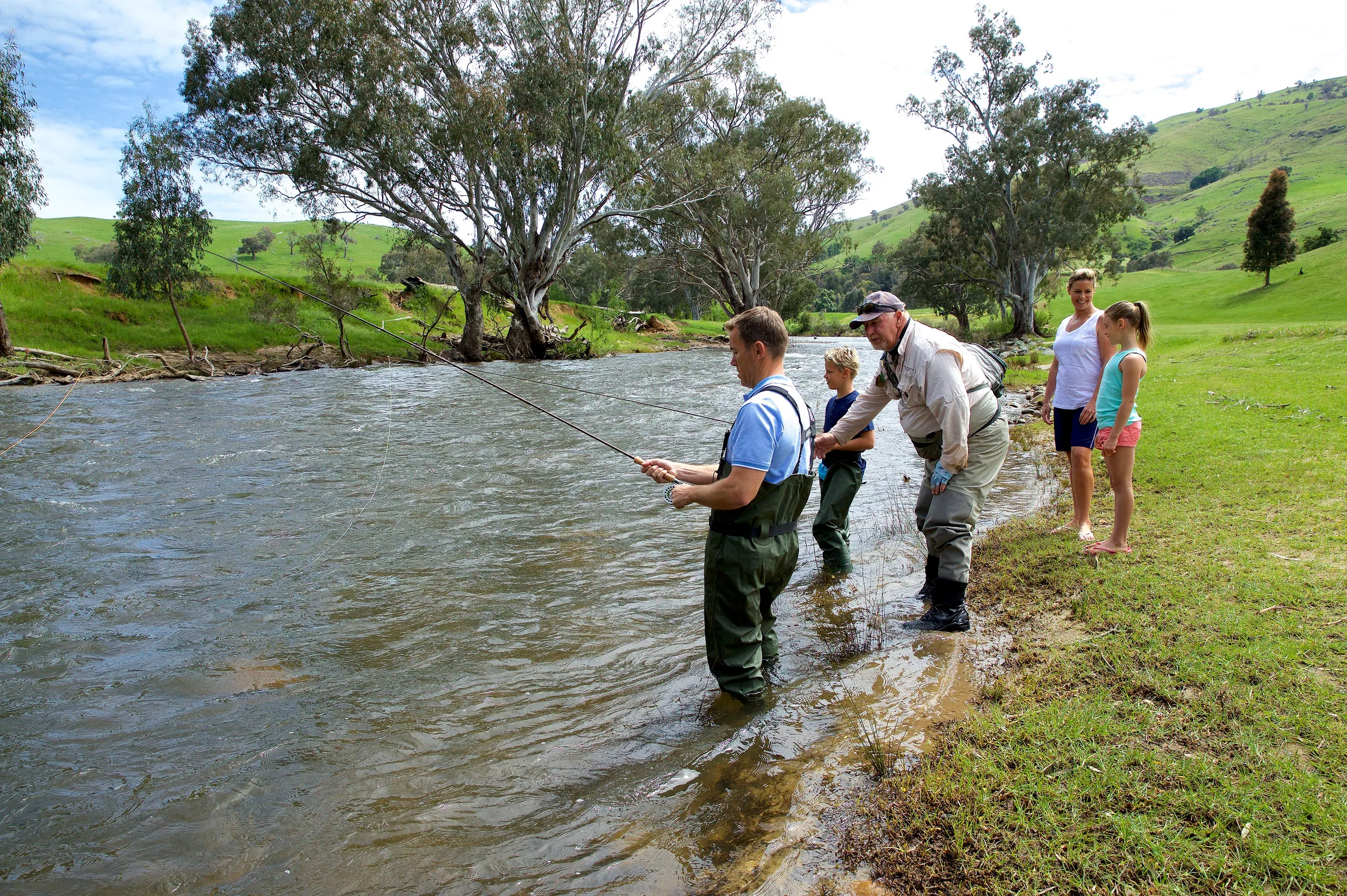
1. Fish seasonality matters
Understanding seasonal fish migrations and behaviours can make all the difference between a quiet day and a cracking session.
Summer and early autumn are prime times for whiting, perch and trevally, while winter sees pink snapper activity peak. In freshwater, Murray cod and Australian bass are best targeted outside their breeding seasons to support sustainable fishing.
Before heading out, check seasonal closures and updates via the NSW DPI website or the FishSmart app.
Beginner tip:
If you’re new to fishing, start by targeting species that are abundant and active in the current season. Ask your local tackle shop, “What’s biting right now?” and focus on just one species for the day, it makes choosing gear and bait much simpler.
2. Local knowledge is gold
Local bait and tackle shops are treasure troves of information. They can point you towards productive spots, recommend the right bait and help you rig up correctly.
Chat to other anglers at the boat ramp or jetty, most are happy to share general advice.
Beginner tip:
When visiting a tackle shop, bring a photo of your rod and reel (or the combo itself). Staff can help you match line weight, hooks and sinkers to suit where you’re fishing. Don’t be shy, they talk to beginners every day.
3. Master your technique
Whether you prefer bait fishing, lure casting or fly fishing, refining your technique improves your success rate.
Experiment with:
- Different casting distances
- Varying retrieval speeds
- Adjusting sinker weight depending on current or surf
Conditions like wind, tide and water clarity all affect fish behaviour.
Beginner tip:
Start simple. A basic running sinker rig for beach or estuary fishing is easy to set up and very effective. Focus on learning how to cast smoothly and tie a strong knot (like a uni knot or improved clinch knot) before worrying about advanced rigs.
4. Respect the environment
Follow bag and size limits, observe closed seasons and respect sanctuary zones. Dispose of fishing line and rubbish properly, and handle fish carefully if practising catch and release.
Healthy waterways mean better fishing for everyone.
Beginner tip:
Download the NSW FishSmart app. It shows size limits, bag limits and even includes a ruler feature to measure your catch accurately. Keep a small brag mat or measuring tape in your tackle box — it removes the guesswork.
Follow the rules — get your NSW fishing licence
Most anglers aged 18 and over need a NSW Recreational Fishing Licence for both freshwater and saltwater fishing.
You can buy one:
- Online via the NSW DPI website
- Through the FishSmart app
- At Service NSW centres
- At many local tackle shops
Choose from 3-day, 1-month, 1-year or 3-year options. Carry proof (digital or printed) with you while fishing.
Beginner tip:
If you’re just trying fishing for the first time, start with a 3-day licence. It’s affordable and gives you a chance to see if you love it before committing longer term.
Boat fishing 101
Preparation is key when fishing from a boat.
- Let someone know your plans
- Check weather and tide forecasts
- Take water, sunscreen and hats
- Wear lifejackets where required
- Consider a marine radio or satellite phone in remote areas
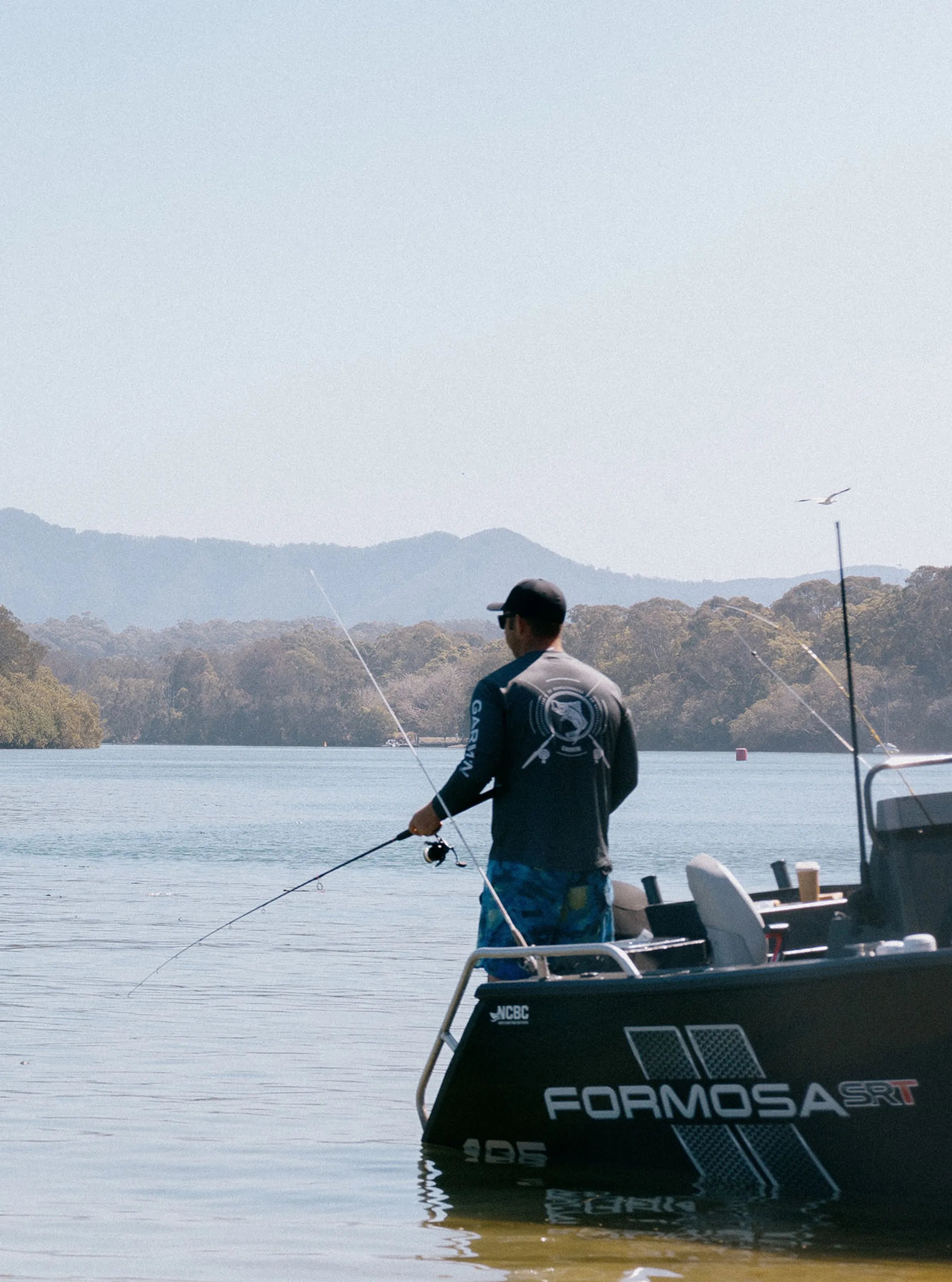
Beginner tip:
If you’re new to boat fishing, consider going with an experienced friend or booking a half-day charter. You’ll learn more in a few hours with a guide than months on your own — plus they supply the gear.
Baiting the hook: Top bait choices
Choosing the right bait makes a big difference.
Live bait: prawns, yabbies and beachworms
Fresh or frozen bait: pilchards, squid and mullet
Artificial lures: soft plastics, hard-bodied lures and flies
Live bait must be sourced from the same waterway you’re fishing in, and only legal species can be used.
Beginner tip:
If you’re starting out, frozen prawns or pilchards are easy, affordable and effective for many species. Keep them in a small cooler with an ice brick so they stay fresh throughout your session.
And finally… enjoy it
Fishing isn’t just about the catch; it’s about slowing down, breathing in fresh air and soaking up the outdoors. Even a quiet day on the water beats a busy day indoors.
Frequently asked questions
Didn’t find what you were looking for? We’re here to help. Get in touch here.
Didn’t find what you were looking for? We’re here to help. Get in touch below.
Do I need a recreational fishing licence to fish in NSW waters?
Yes. Most recreational fishers aged 18+ must hold a NSW Recreational Fishing Licence to fish in saltwater or freshwater and carry the receipt while fishing. Licence fees help fund fish habitat and stock management.
Are there size and bag limits for fish in NSW?
Yes. NSW has bag and size limits for many species to ensure sustainable fishing. Check the official DPI rules for current limits and protected species before you fish.
What’s the difference between coastal and inland fishing in NSW?
Coastal fishing targets saltwater species like bream, flathead, tailor and snapper, often from beaches, estuaries or boats. Inland fishing, in rivers, lakes and dams, targets species like Murray cod, bass and trout. Each offers different techniques and gear requirements.
What’s the best time of year to fish in NSW?
Peak seasons vary by species; spring and summer often bring great coastal action, while freshwater trout fishing is productive in cooler months. Local conditions and tides also influence success.
Related articles
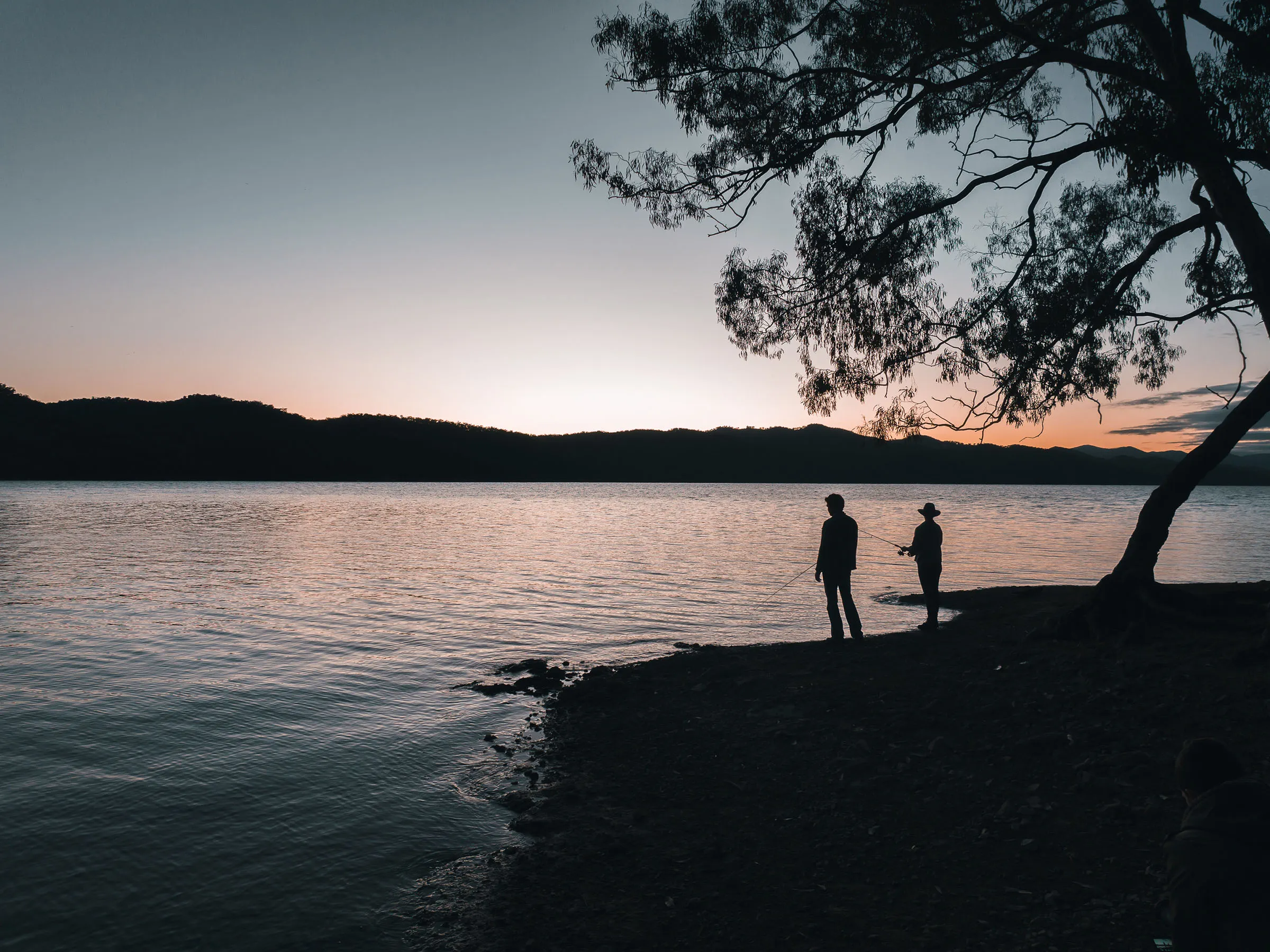
Best fishing spots in NSW: coastal, inland & everything in between
2 min read
Looking for some of the best fishing spots that NSW has to offer? We have you covered with our Ambassador...
Read more
New look Reflections Holidays launches fish sustainability program
2 min read
11 March 2024 - Reflections Holidays, the largest holiday park and adventure camping group in NSW and...
Read more
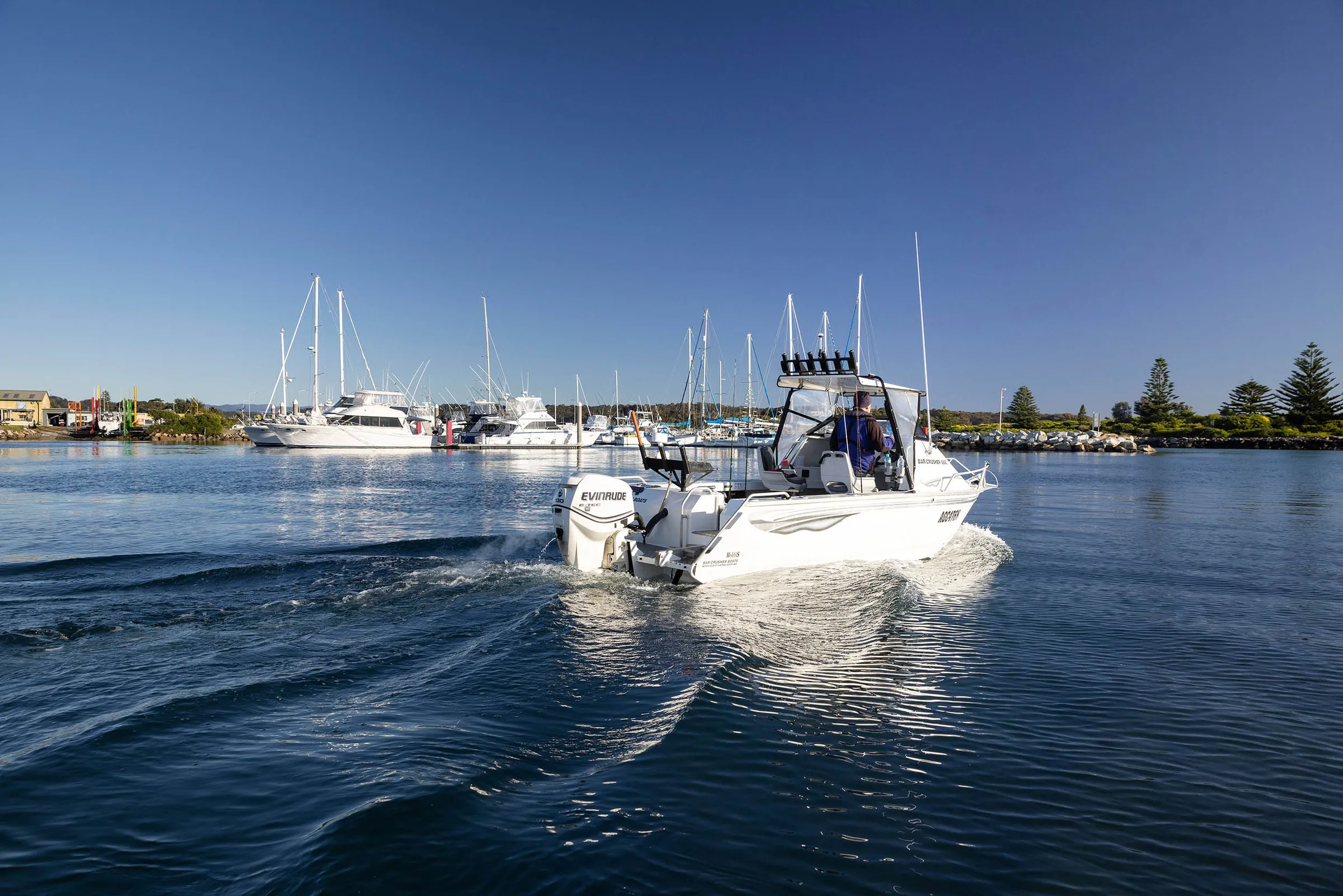
Mat Cameron's guide to saltwater fishing
2 min read
To help decide the great debate of fresh water vs saltwater fishing, we asked Mat Cameron for a run...
Read more
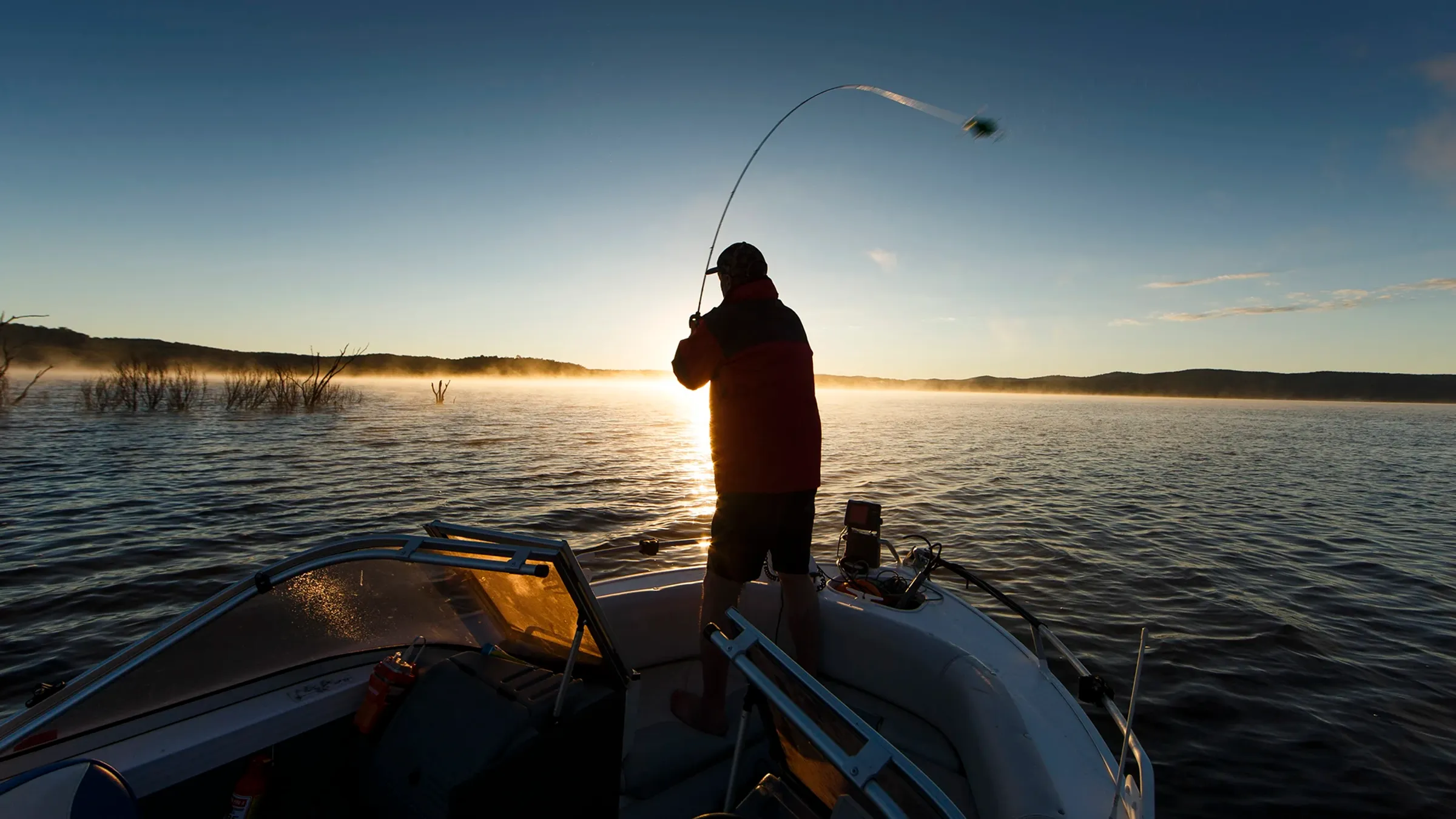
Freshwater fishing with Mat Cameron
2 min read
We asked Ambassador Matt Cameron what makes freshwater fishing in NSW so special, and why every angler...
Read more
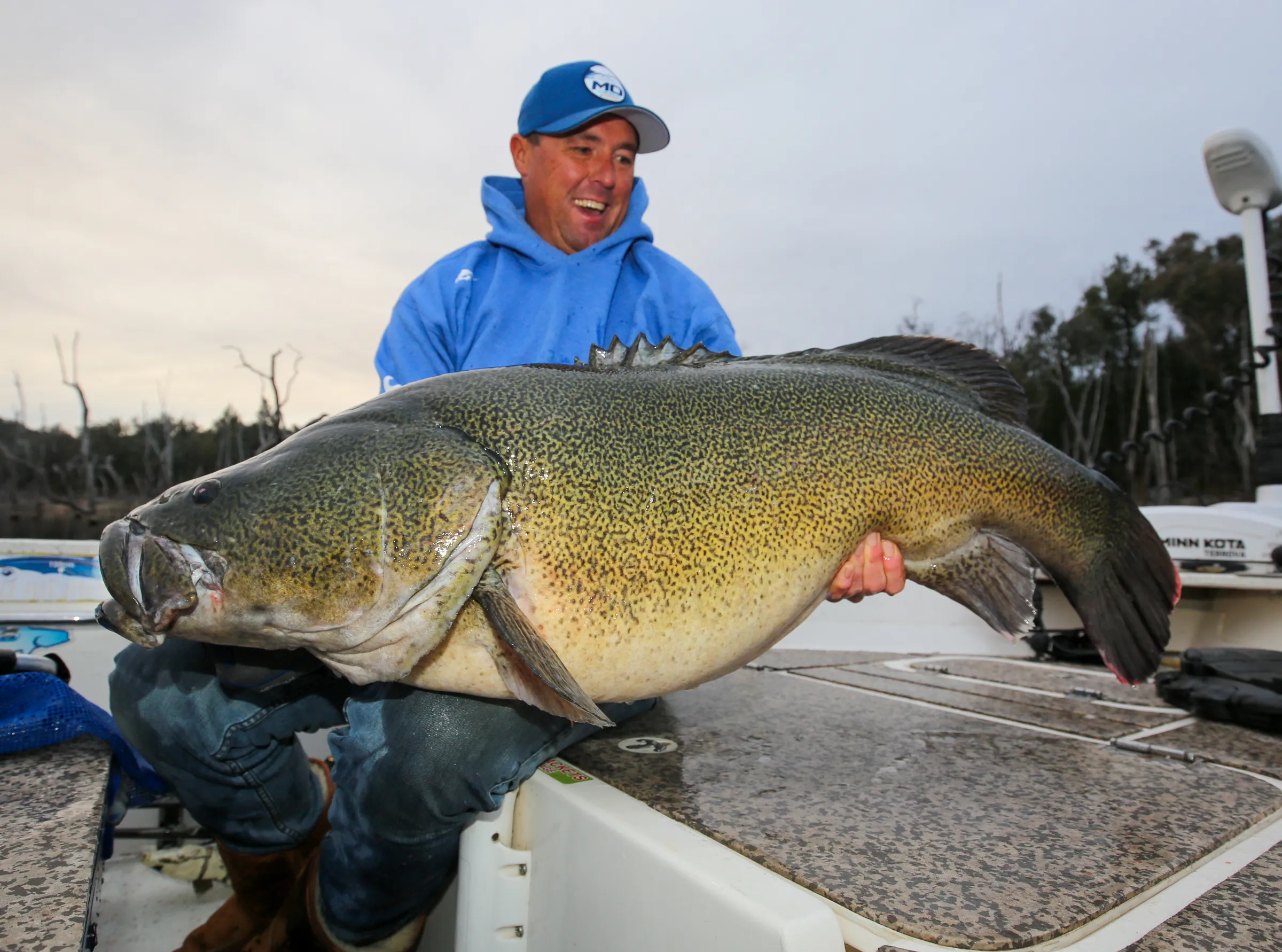
Catch yourself a monster Murray Cod
1 min read
Forget the Redfin and Yellowbelly, this month is all about the mighty Murray Cod which have been going...
Read more