Jimmys Beach Holiday Park, located on Worimi Country, is home to many native animals, and now you can follow the cultural wildlife trail signs to find as many as you can.
Ready to go on a nature adventure?
- Pick up your checklist and answer sheet from Jimmys Beach park reception and head out to explore the trail.
- As you discover each animal, tick them off your list and scan the QR code to see the question and find the answer. Hot tip: Press play on each video on the website to hear how to pronounce the name in Worimi language.
- Once you’ve answered all the questions, bring your checklist back to reception to collect a little prize.
Happy exploring!
Explore the trail and see if you can spot these Aussie icons
Girrga: Native bee
Native bees are super important helpers that pollinate flowers, fruits, and veggies. Some Australian native bees don’t sting at all, so they’re gentle garden friends. They can even buzz to shake pollen loose, like a tiny superhero power!
Find me in nature
Look closely at colourful flowers, you might see a tiny bee buzzing from bloom to bloom!
Question:
What special job do native bees do for flowers and plants?
Gumal: Eagle hawk (wedge-tailed eagle)
The wedge-tailed eagle is Australia’s largest bird of prey, with wings wider than a grown-up is tall. It soars high in the sky, using sharp eyesight to spot food far below. These powerful birds can fly for hours without flapping their wings!
Find me in nature
Look way up into the sky for a huge bird soaring without flapping its wings.
Question:
How does a wedge-tailed eagle spot its food from high in the sky?
Mikiri: Echidna
Echidnas are covered in spiky spines to keep them safe from predators. They use their long, sticky tongues to slurp up ants and termites—yum! Even though they look like hedgehogs, they actually lay eggs like reptiles.
Find me in nature
Look down on the ground for a spiky little ball waddling or digging in the dirt.
Question:
What does an echidna use its long, sticky tongue to eat?
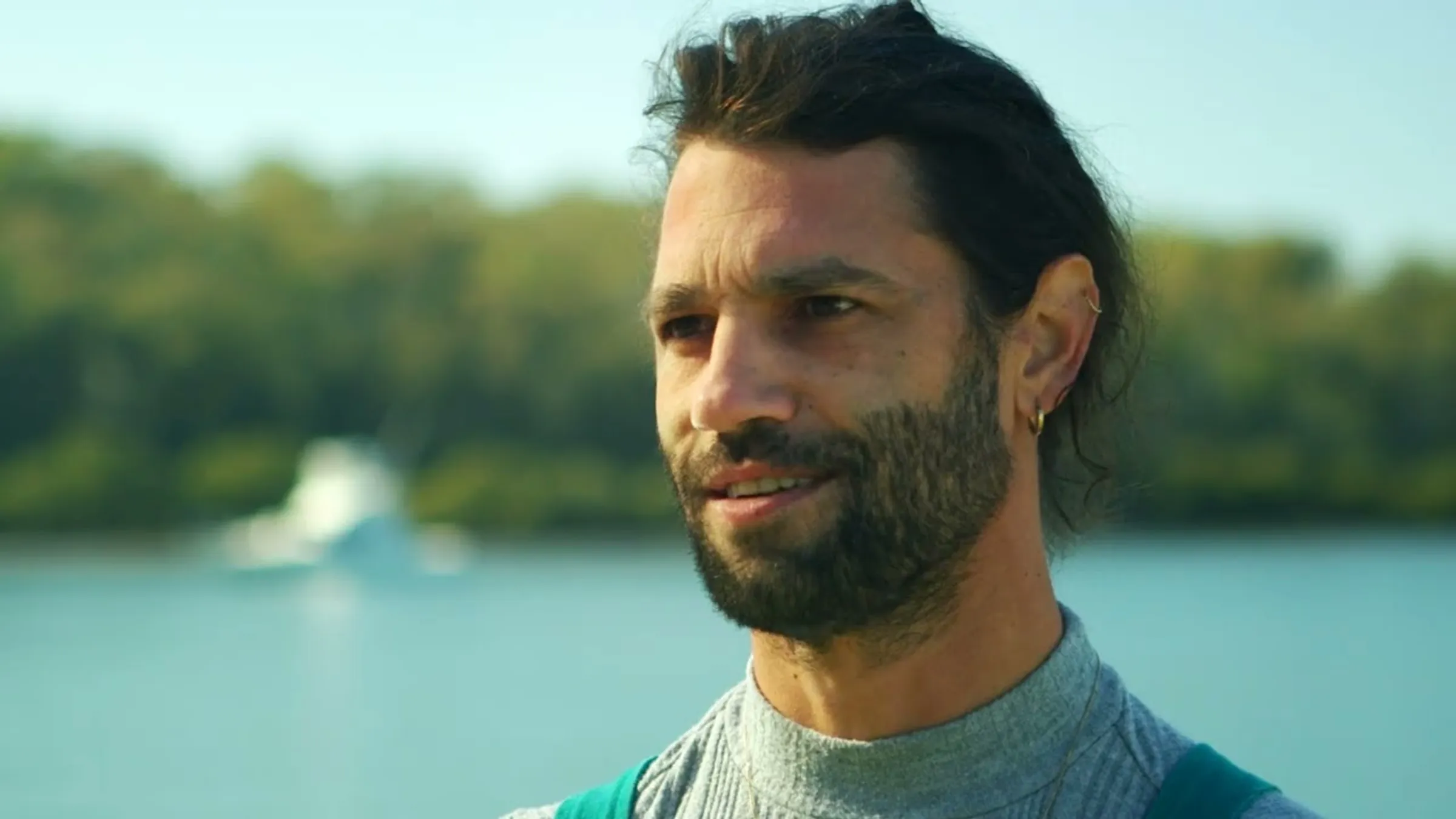
Meet Tyson Jolly and learn about the Aboriginal Culture and History of the Region